Warrior Values and Cinematic Platitudes: An In-Depth Analysis of "Way of the Warrior Kid"

The intersection of military discipline and adolescent development has long been a fertile ground for cinematic storytelling. From the high-stakes drama of The Great Santini to the disciplined mentorship of The Karate Kid, the "tough love" mentor remains a staple of the coming-of-age genre. Apple Studios’ latest venture, Way of the Warrior Kid, attempts to modernize this trope for a new generation. Directed by McG and adapted from the popular children’s book series by retired Navy SEAL Jocko Willink, the film aims to deliver a dual narrative of recovery and growth. However, as the film navigates the sun-drenched suburbs of San Diego, it finds itself caught between the rigid structures of military life and the fluid emotional needs of a children’s story, resulting in a production that struggles to find its footing.
Main Facts: The Production and Core Premise
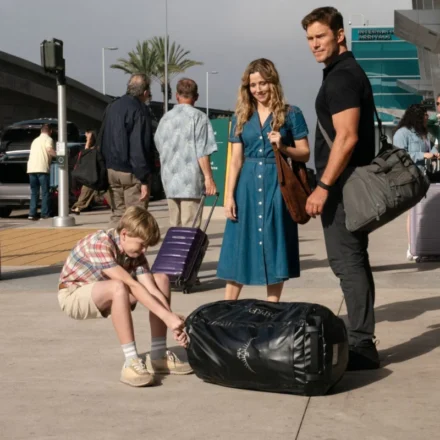
Way of the Warrior Kid represents a significant collaboration between Apple Studios and a creative team led by director McG (Charlie’s Angels, Terminator Salvation) and screenwriter Will Staples (Without Remorse). The film stars Chris Pratt as Jake, a decorated but disillusioned Navy SEAL, and Jude Hill (Belfast) as his nephew, Marc.
The narrative is rooted in the "Warrior Kid" philosophy popularized by Jocko Willink, whose books emphasize "extreme ownership," discipline, and physical fitness as the primary tools for overcoming life’s obstacles. The story follows Marc, a socially awkward and physically uncoordinated middle-schooler who is frequently targeted by a school bully named Kenny (played by Levi McConaughey). When Marc’s uncle Jake returns home to San Diego to recover from a mission-related injury and psychological trauma, a bargain is struck: Jake will train Marc over the summer to transform him from a "prey" mindset to a "warrior" mindset.
The film features a strong supporting cast, including Linda Cardellini as Marc’s mother, Sarah, who provides the emotional anchor for the family unit. Despite the star power and the proven success of the source material, the film has drawn early criticism for its tonal inconsistencies—alternating between a gritty military drama and a whimsical, "Spy Kids"-esque adventure.
Chronology: From Battlefield Trauma to Backyard Training
The film’s timeline is structured around a single, transformative summer, bookended by the harsh realities of military service and the start of a new school year.
The Catalyst: Failure in the Field
The story begins with a harrowing prologue depicting a failed rescue mission "overseas." Jake and his SEAL team attempt to liberate children held hostage by militants, but the operation goes south, resulting in the loss of a close comrade and a debilitating injury for Jake. This event serves as the "ghost" haunting the protagonist, establishing a parallel between Jake’s need for redemption and Marc’s need for empowerment.
The Meeting: Two Worlds Collide
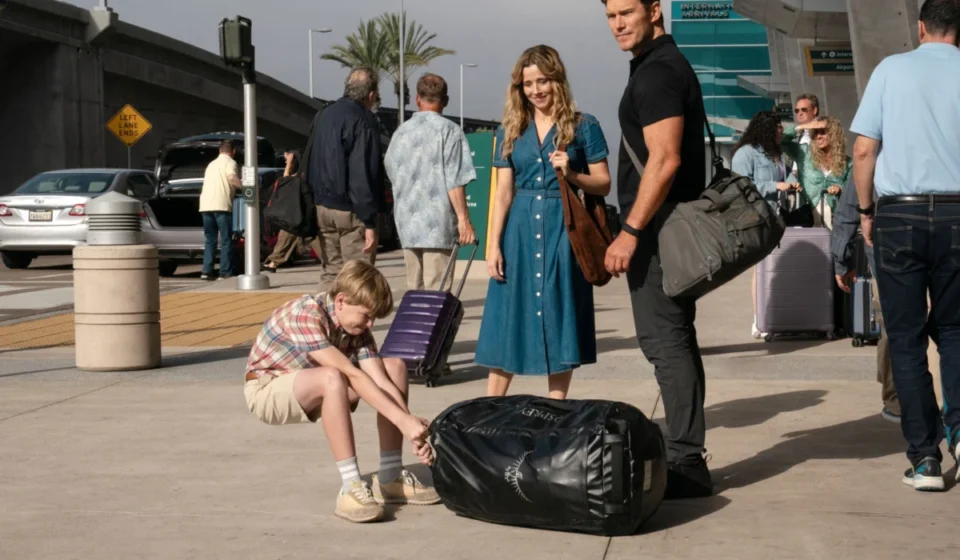
Jake arrives at his sister Sarah’s home in San Diego, physically broken and emotionally distant. He finds his nephew Marc at a low point—bullied, lacking confidence, and retreating into the virtual world of "Band Jam," a rhythm-based video game. The initial friction between Jake’s stoicism and Marc’s fragility sets the stage for the summer-long training program.
The Training: The "Warrior" Regimen
The middle act of the film focuses on the rigorous discipline Jake imposes on Marc. The training is not merely physical; it involves waking up at dawn, strict diet, and the study of "warrior values." As Marc gains muscle and masters pull-ups, Jake begins to heal through the process of mentorship. The camaraderie between the two grows, but so does the tension, as Jake’s "stiff-upper-lip" approach occasionally clashes with the emotional needs of a child grieving the loss of his father.
The Climax: A Divergence from Reality
The final act of the film culminates in Marc’s confrontation with his bully, Kenny. However, rather than a grounded resolution, the screenplay introduces a high-stakes, elaborate sequence that shifts the tone significantly. While the book emphasizes the internal change in Marc, the film opts for a more cinematic, albeit less plausible, triumph that leans into the "Spy Kids" aesthetic. The summer ends with Jake eyeing a return to active duty to finish his original mission, while Marc enters the new school year with a newfound, if somewhat military-rigid, confidence.
Supporting Data: Thematic Analysis and Technical Execution
The "Pratt" Problem: A Misalignment of Persona
A significant point of discussion among critics is the casting of Chris Pratt. Known for his "golden-retriever energy" in Parks and Recreation and his roguish charm in Guardians of the Galaxy, Pratt’s transition into more somber, hyper-fit roles has been met with mixed results. In Way of the Warrior Kid, his portrayal of Jake is described as "joyless" and "uncomfortable." The film highlights a growing trend in Pratt’s career where his increasing physical fitness and conventional "leading man" status seem to come at the expense of the relatable, comedic vulnerability that originally made him a star.
Visual Flair vs. Narrative Depth
Director McG brings his signature visual energy to the project. This is most evident in the "Band Jam" sequences, where the world around Marc transforms into a vibrant, neon-lit stage, reflecting his internal sense of power. However, critics argue that these flourishes are "zhuzhed up" distractions from a perfunctory script. While McG succeeds in making the film look expensive and polished—a hallmark of Apple Studios’ output—the storytelling is often described as literal and lacking the metaphorical depth found in 1980s classics like The Karate Kid.
The Pedagogy of the "Warrior Kid"
The film serves as a vehicle for Jocko Willink’s real-world philosophy. The data on Willink’s brand is impressive: he has written five books in the series, hosts a top-tier podcast, and runs a successful consulting firm. The "Warrior Kid" brand is built on the idea that children can solve their problems through discipline and "extreme ownership." While this message resonates with a large audience, the film’s translation of these values has been criticized for being "too interested and not interested enough" in the actual psychology of a child, often failing to meet the young protagonist at his own level.
Official Responses and Creative Intent
The creative team behind the film has consistently emphasized their desire to create "family-friendly, military-adjacent" content.
- Jocko Willink’s Perspective: Willink has often stated that his goal with the series was to provide kids with a "field manual" for life. In interviews regarding the adaptation, the focus has been on the importance of showing a positive, disciplined male role model who deals with trauma through service and mentorship.
- Apple Studios’ Strategy: For Apple, Way of the Warrior Kid is part of a broader strategy to produce high-volume, high-gloss content that appeals to a wide demographic. The studio’s commitment to "prodigious output" is clear, though critics suggest this may be coming at the cost of the "prestige" branding Apple initially sought.
- The Screenwriter’s Approach: Will Staples has defended the script’s efficiency, noting that the goal was to condense the book’s lessons into a digestible format. However, the decision to pivot to a more "elaborate and less plausible" climax was a creative choice intended to heighten the cinematic experience, even if it sacrificed the grounded realism of the source material.
Implications: The Future of "Warrior" Content and Apple’s Brand
The release of Way of the Warrior Kid carries several implications for the film industry and the "military-influencer" genre.
1. The Rise of the "Military-Adjacent" Family Genre
There is a clear and growing appetite for stories that blend traditional military values with domestic settings. As the "tactical" lifestyle becomes more mainstream, we can expect more adaptations of works by former special forces operators. This trend suggests a cultural shift toward valuing discipline and "hardness" in child-rearing, reflecting a reaction against more permissive modern parenting styles.
2. The Evolution of the Apple Studios Identity
The film serves as a case study for Apple’s current trajectory. While the studio has won Oscars with films like CODA, it is increasingly leaning into star-driven, mid-budget "content" that feels designed for an algorithm. Way of the Warrior Kid demonstrates that while Apple can secure top-tier talent like Pratt and Cardellini, the challenge remains in ensuring the material matches the caliber of the cast.
3. The Efficacy of the "Warrior" Message
Ultimately, the film raises questions about how we teach resilience to children. By focusing so heavily on the "literal" application of Navy SEAL training to a middle-school setting, the film risks alienating children who don’t fit the "warrior" mold. The critique that the film "talks down" to kids by assuming they need a "Spy Kids" finale to be engaged—rather than trusting the emotional weight of the training—suggests a missed opportunity for a more profound exploration of growth.
In conclusion, Way of the Warrior Kid is a film of contradictions. It is a polished production that feels hollow, a "warrior" story that lacks a clear battle, and a coming-of-age tale that struggles to understand the youth it depicts. While it may find an audience among fans of Willink’s philosophy and Pratt’s stardom, it remains a reminder that in cinema, as in the SEAL teams, the success of a mission depends entirely on the execution of the details. For Marc and Jake, the summer in San Diego results in a "sense of, ‘Okay, that happened,’" leaving the audience to wonder if a more grounded, less star-focused approach might have delivered a more lasting impact.