The Great Consolidation: YouTube Premium and NBCUniversal Forge a Landmark Streaming Alliance

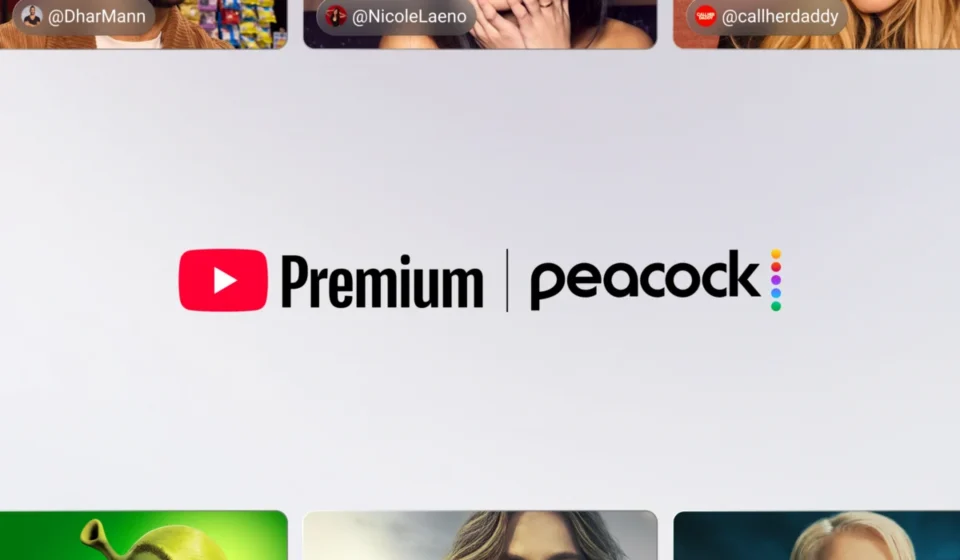
In a move that signals a seismic shift in the digital media landscape, YouTube has announced a landmark partnership with NBCUniversal that will fundamentally transform the value proposition of YouTube Premium. Beginning early next year, the $15.99-per-month YouTube Premium subscription will include Peacock Premium as a bundled offering, marking a transition for YouTube from a standalone video platform into a centralized entertainment aggregator.
This strategic alliance, which leverages the massive reach of Google’s ecosystem, represents one of the most significant efforts to date to solve the "subscription fatigue" currently plaguing the streaming industry. By folding Peacock’s vast library of sports, news, and scripted entertainment directly into the YouTube experience, the companies are aiming to create an indispensable "all-in-one" hub for the modern viewer.
Main Facts: The Anatomy of the Deal
The partnership is comprehensive, spanning far beyond a simple subscription add-on. At its core, the deal integrates Peacock Premium—NBCUniversal’s streaming service—into the YouTube Premium subscription tier. This means that millions of existing YouTube Premium members will, upon the launch of the initiative early next year, gain access to NBCUniversal’s expansive content library without an additional out-of-pocket expense.
The content library includes an impressive array of high-value assets:
- Live Sports: Extensive coverage of the NFL, NBA, and MLB.
- Scripted Entertainment: Flagship series such as Law & Order, Saturday Night Live, and Love Island.
- Original Programming: Peacock’s growing slate of original series and films.
- Global Offerings: In specific international markets, the bundle will also incorporate Universal+ and the reality-focused service Hayu.
Beyond the subscription integration, the deal includes a deep technical and content-sharing agreement. NBC Sports will begin streaming select live sporting events directly on its YouTube channels, with NBC acting as a production partner for specific high-profile live events hosted on the platform. Furthermore, the deal solidifies the presence of YouTube TV on Comcast’s Xfinity and Xumo platforms, creating a bi-directional ecosystem where both companies benefit from the other’s distribution channels.
A Chronological Evolution of Strategy
The road to this partnership has been paved with years of iterative deals between Google and Comcast.
- Early Integration (2023): The foundation was laid last year when Google and NBCUniversal inked a broad programming agreement. This established the initial framework for YouTube TV and paved the way for more complex technical integrations.
- The Primetime Channels Phase: Earlier this year, Peacock became available via YouTube Primetime Channels for $10.99 per month. While this allowed users to subscribe to Peacock within the YouTube interface, it remained a separate transaction—an "à la carte" purchase rather than a true bundle.
- The Pivot to Profitability (Q3 2024): Peacock reached a critical milestone last quarter by turning a profit for the first time. Having achieved this financial proof-of-concept, NBCUniversal shifted its strategy from "growth at all costs" to "strategic partnerships." This led to the recent string of bundles with major players like Apple TV, Prime Video, and Roku.
- The Current Announcement: The latest agreement marks the evolution from the "Primetime Channels" model to an integrated subscription bundle, effectively moving Peacock from a third-party add-on to a native component of YouTube’s flagship service.
Supporting Data: The Scale of the Union
To understand the magnitude of this move, one must look at the subscriber bases involved. YouTube Premium and YouTube Music boast a combined global footprint of 125 million subscribers. While Google does not disclose the specific breakdown between the two, industry analysts estimate that the vast majority are Premium users.
Conversely, Peacock currently claims 48 million subscribers. Despite recent growth and a move into profitability, Peacock has struggled to maintain the market share held by giants like Netflix or Disney+. By partnering with YouTube, Peacock gains access to a massive, pre-existing audience that is already accustomed to paying for a premium digital experience.
The synergy here is clear: YouTube gains a robust "hook" to retain and attract subscribers in a competitive market, while Peacock gains instant, frictionless access to 125 million potential viewers. This lowers the customer acquisition cost (CAC) for NBCUniversal dramatically, as they no longer have to convince YouTube users to sign up for a separate service—it is simply "there" for them.
Official Perspectives: Aligning Visions
The leadership teams at both Comcast and Google view this as a transformative moment for the streaming industry.
Mike Cavanagh, Co-CEO of Comcast Corporation, emphasized the strategic nature of the move: "This partnership brings NBCUniversal’s world-class content and iconic franchises to YouTube’s unmatched scale and global platforms. We’re excited to deepen our relationship with YouTube through a collaboration that reflects our strategy of partnering with industry leaders to drive sustained growth for NBCUniversal."
Neal Mohan, CEO of YouTube, framed the partnership as a response to consumer demand for simplicity: "We’re incredibly excited to expand our partnership with NBCUniversal to redefine what a modern entertainment subscription can be for consumers. YouTube Premium brings your favorite creators, artists, and cultural moments together uninterrupted, and now, we’re pairing that ultimate viewing experience with Peacock’s expansive lineup of live sports, blockbuster Universal movies, and original series. This makes it easier than ever for our members to find and watch all the premium content they love, all in one place."
Implications: The Future of the "Super-Bundle"
The implications of this deal are far-reaching, setting the stage for what many industry experts call the "Super-Bundle" era.
1. The Death of the "Fragmented" Experience
For years, the streaming market was defined by fragmentation, with users needing five or six different apps to see all their favorite content. YouTube’s strategy is clearly to become the "OS of Video." By bundling Peacock, they are signaling that they intend to be the primary interface through which users consume all forms of long-form video, whether it be UGC (User Generated Content) from creators or high-budget professional productions from NBC.
2. The Pricing Strategy Dilemma
This deal raises immediate questions about YouTube Premium’s pricing structure. With the addition of significant premium content, will the $15.99 price point hold? YouTube already offers a "Premium Lite" tier ($8.99) and a family plan ($26.99). The inclusion of Peacock suggests that YouTube is comfortable adding value to its existing tiers to combat churn, but it also creates a precedent: if they add Peacock, could they add other services? The platform is moving toward a model where the subscription price may eventually become a dynamic fee for a curated "mega-bundle."
3. A New Model for Sports Rights
The role of NBC Sports as a production partner for YouTube’s live events is perhaps the most overlooked, yet critical, element of the deal. Traditional broadcasters have long been wary of digital platforms, but this partnership proves that the two models can coexist. By allowing NBC to produce live content that lives on YouTube, both entities benefit from YouTube’s recommendation algorithm, which is arguably the most powerful discovery engine on the internet.
4. The "Platformization" of Streaming
With NBCUniversal, Apple, Amazon, and Roku all signing deals to integrate Peacock, Comcast is effectively turning Peacock into a "content utility" rather than just an app. This is a massive shift. Instead of fighting to keep users inside their own app, they are distributing their content to where the users already spend their time.
Conclusion: A New Paradigm
The partnership between YouTube and NBCUniversal is more than just a business deal; it is a declaration of the new rules of the streaming war. As consumers grow weary of managing dozens of individual subscriptions, the platforms that offer the most comprehensive, seamless, and integrated experiences will likely emerge as the winners.
By marrying the world’s largest video platform with one of the world’s most prolific content creators, YouTube and NBCUniversal have created a blueprint for the future. Whether this leads to a broader consolidation of the industry—or simply forces competitors to scramble to build their own bundles—remains to be seen. However, one thing is certain: for the end-user, the barrier between professional entertainment and creator-led content just got a lot thinner.