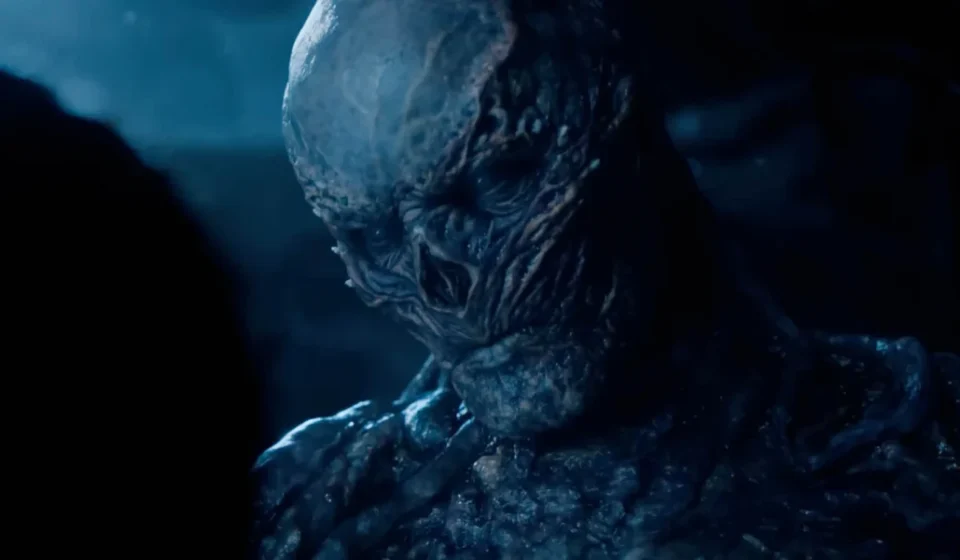
The Invisible Architecture of the Upside Down: Behind the VFX of Stranger Things Season 5

The conclusion of the Duffer Brothers’ landmark Netflix series, Stranger Things, represents more than just a narrative finale; it stands as a masterclass in the integration of practical filmmaking and high-end digital artistry. As the series reached its climactic fifth season, the challenge was not merely to escalate the stakes, but to maintain the grounded, tactile reality that has defined the show since its inception.
To achieve this, lead visual effects supervisor Betsy Paterson oversaw a three-year production cycle. Her mandate was clear: to bridge the divide between physical production and the digital realm. In an era where the industry often pays lip service to "in-camera" practical effects, Stranger Things opted for a more sophisticated, hybrid approach. The goal was never to choose between practical and digital, but to determine the precise point where each department could contribute its strongest work, ensuring that the handoff between the two remained entirely invisible to the audience.
The Philosophy of the Practical-Digital Handoff
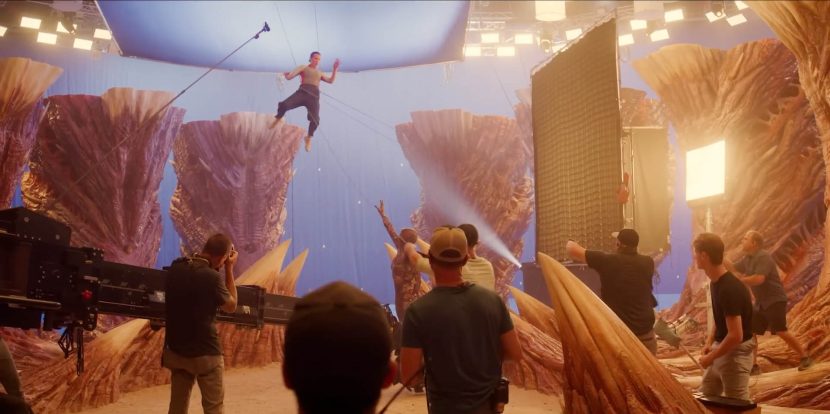
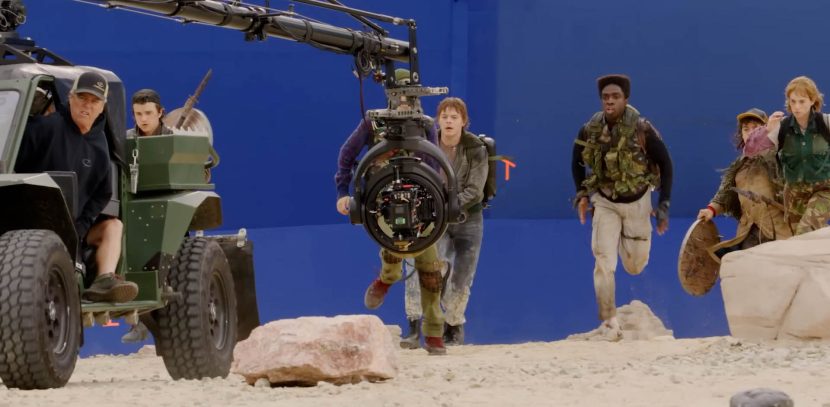
Paterson’s methodology was rooted in a foundational principle: prioritize the physical. While a creature like a Demogorgon may exist entirely within a computer, the environment it inhabits must feel tangible. Whether it was the movement of a table, the weight of a stunt performer on wires, or the subtle shift of sand under a creature’s footfall, the production prioritized real-world elements to provide the actors with genuine physical interactions.
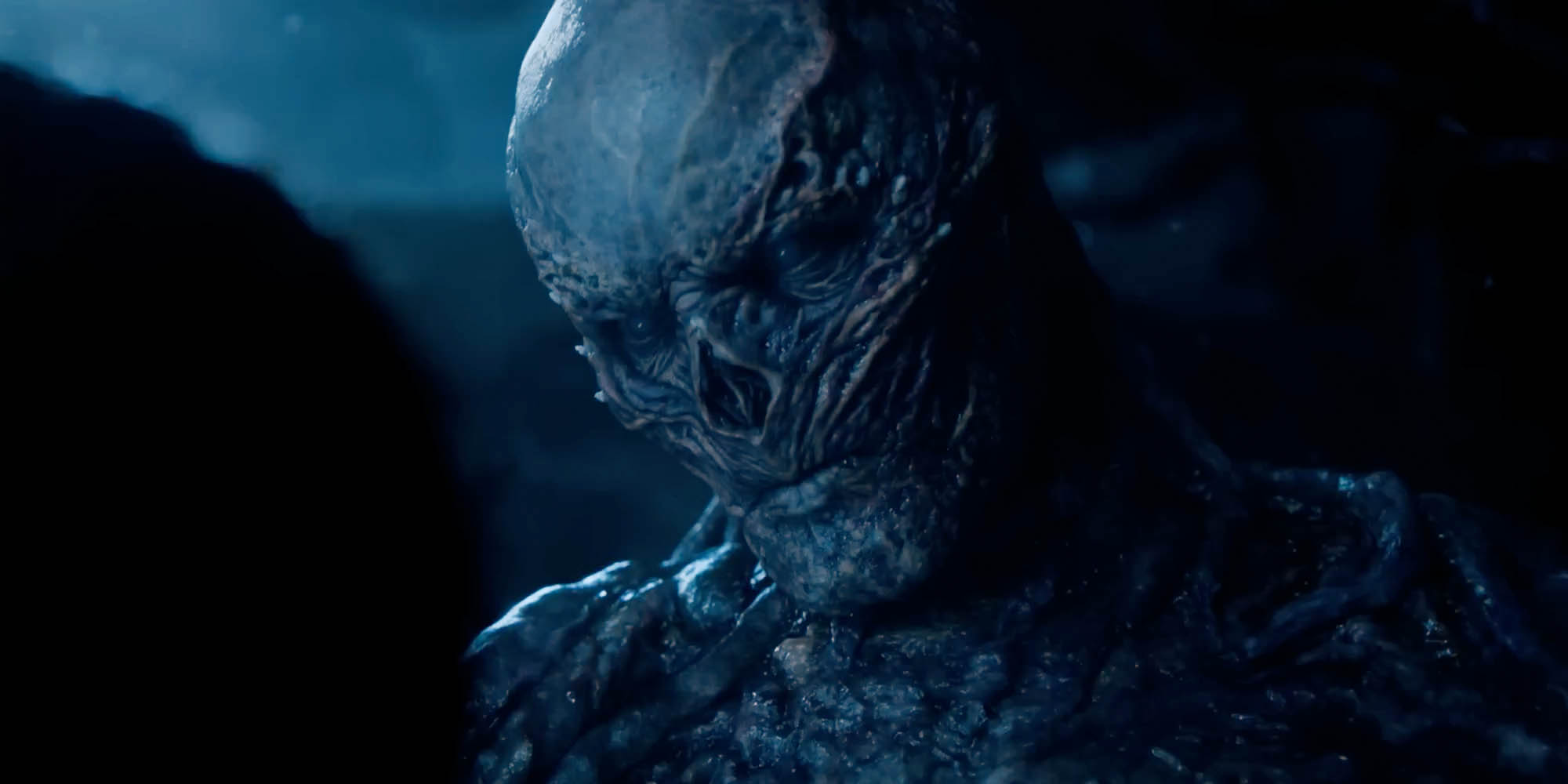
"We need to do as much real as possible, and the line becomes when it is just not possible anymore," Paterson explains. By working closely with special effects, stunts, production design, and the costume department, her team provided the cast with authentic eyelines and physical resistance. This wasn’t just for the sake of the camera; it was to preserve the integrity of the performance. When an actor reacts to a creature, the pressure of a physical stand-in or a simple tactile cue allows for a more visceral, believable response than staring at an empty space.
Chronology of the Final Season’s Production
The development of Season 5 began the moment the final scripts arrived. With a year-long preparation phase, the VFX team utilized pre-visualization (previs) as the "common language" of the production.
- The Pre-Production Phase (Year 1): The team mapped out large-scale sequences, such as the final quarry battle, in 3D space. This allowed the production to design the geography of the scene—deciding where the monster would stand and how the actors would move—while leaving room for spontaneous, organic choices during rehearsals.
- Principal Photography (Years 2-3): During filming, the team utilized augmented reality (AR) to view CG creatures at scale through iPads. This gave the crew a concrete reference for timing and spatial relationships. The location work was a hybrid affair; they shot on real New Mexico terrain but enhanced the environment with digital extensions that maintained the logic of the scene regardless of camera movement.
- Post-Production (Final Year): The heavy lifting of the visual effects was divided among industry titans like Wētā FX and ILM, alongside boutique studios like Rodeo FX and BOT VFX. The workflow was characterized by intense, twice-daily reviews where Paterson would navigate hundreds of shots, often reconciling the creative preferences of the Duffer Brothers with the technical requirements of the vendors.
Vecna: The Hybrid Performance
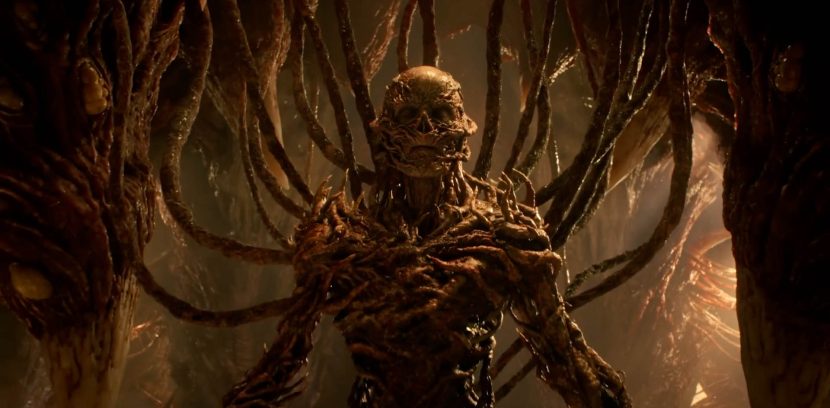
Perhaps the most complex technical hurdle was the portrayal of Vecna. While a fully digital character was an option, the creative team insisted on having actor Jamie Campbell Bower physically present on set.
Bower wore a streamlined suit with minimal tracking markers, allowing him to interact with the cast in a way that captured his threatening presence. To enhance the character’s silhouette—which Bower himself identified as feeling too slight in the initial tests—the team added custom shoulder and underarm padding. This choice, while creating extra work for the VFX team to "paint out" the suit and replace it with the final, terrifying Vecna texture, proved essential for the actor’s performance.
Wētā FX, led by supervisor Martin Hill, navigated a delicate balance: they needed a clean capture for their digital work, but they could not compromise the on-set experience. By negotiating a "minimum" of tracking dots rather than a full-body motion-capture rig, they preserved the actor’s ability to embody the character, ultimately resulting in a more authentic scare.
The Challenge of Young Will: A High-Stakes Digital Face
The opening of the final season required a return to the series’ roots: a young Will Byers. This presented the production with a "nowhere to hide" scenario. Because the audience has an intimate familiarity with the character’s appearance from the first season, any flaw in the digital recreation would be immediately noticeable.
The production cast a young actor, Luke, who shared similar facial proportions to a young Noah Schnapp. Through a rigorous capture process—utilizing two witness cameras on the main unit and four additional cameras positioned around the set—the team collected a massive dataset.
Every available piece of reference material from Season 1 was fed into the process. The team focused heavily on the minute muscles of the mouth and the transition of expressions, which are often the undoing of digital human work. By focusing on these quiet, intimate close-ups rather than fast-paced action, the team achieved a level of digital recreation that crossed a critical threshold of believability, ensuring that the audience remained immersed in the emotional weight of the scene.
Supporting Data and Technical Coordination
The scale of the production was immense, requiring a tightly managed pipeline. The collaboration extended beyond just the VFX vendors; the colorist was brought into the fold early, working within the same building as the VFX team. This allowed for the creation of representative grades (LUTs) that could be shared with vendors, ensuring that the intense, neon-lit environment of the Upside Down didn’t cause visual mismatches.
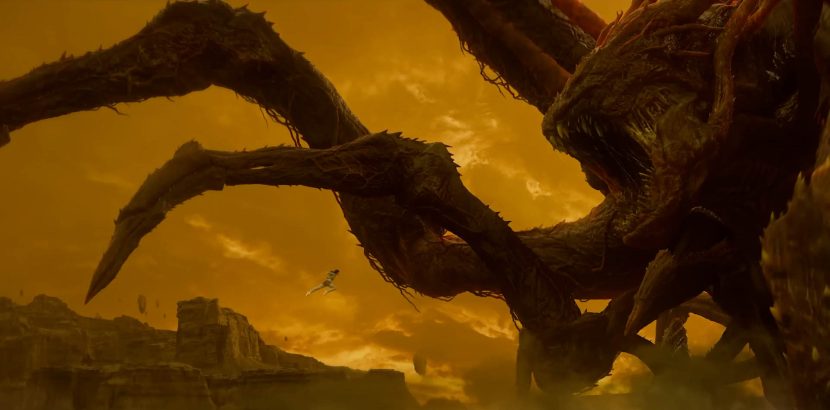
- Vendor Roles: Wētā FX took point on creature work (Vecna, Demogorgons, Demodogs) and the digital Will. ILM focused on environmental destruction and the complex physics of the Upside Down.
- In-House Efficiency: Despite the massive scale, a surprisingly small in-house unit managed the integration, ensuring that the creative vision remained cohesive across the various external studios.
- Set Design Integration: Production design played a critical role, creating modular elements like removable glass walls in laboratory sets, allowing the VFX team to choose between real-world reflections and digital replacements on a per-shot basis.
Implications for the Future of Filmmaking
The production of Stranger Things Season 5 underscores a shift in how modern blockbusters are conceived. The "secret sauce" of the show’s success is the recognition that technical wizardry is hollow without a solid foundation in physical reality.
By investing in physical objects—whether it’s a simple mouthpiece for a child actor to react to, or the specific weight of a stunt-performed cable pull—the production creates a reality that the VFX team can then build upon. This collaborative spirit—where the "handoff" between departments is not an afterthought, but a design choice—represents the future of the industry.
As Paterson concludes, the most spectacular digital sequences in the season were not necessarily the most difficult to achieve. It was the quiet, subtle moments—the way light interacts with a creature, or the way a face moves during a moment of fear—that defined the success of the project. Stranger Things proves that even in a world of infinite digital possibility, the most convincing effects are those that begin with a tangible, human truth on the set.
Through meticulous planning, a respect for performance, and a refusal to rely on digital "fixes" to solve creative problems, the team behind Stranger Things has set a new standard for genre television, leaving a blueprint that future productions will likely study for years to come.