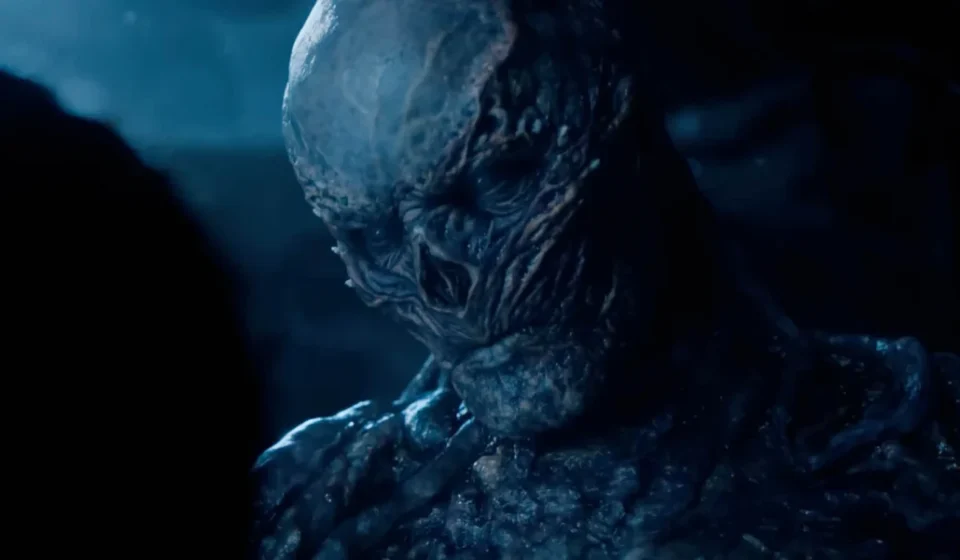
The Invisible Architecture of Fear: Engineering the Final Season of Stranger Things

The conclusion of the Duffer Brothers’ Stranger Things represents more than just the end of a cultural phenomenon; it serves as a masterclass in modern visual effects (VFX) integration. For the fifth and final season, lead visual effects supervisor Betsy Paterson orchestrated a three-year effort to reconcile the impossible—monsters from the Upside Down—with the tangible reality of the show’s beloved cast. The result is a seamless fusion of physical craft and digital artistry that challenges the industry’s ongoing debate regarding the divide between "practical" and "digital" production.
Main Facts: A Philosophy of Tangibility
Paterson, who joined the production at the genesis of the Season 5 scripts, defined her role not as a gatekeeper of digital effects, but as a bridge between departments. The core mandate was simple: ensure the visual effects artists were working from a foundation of reality.
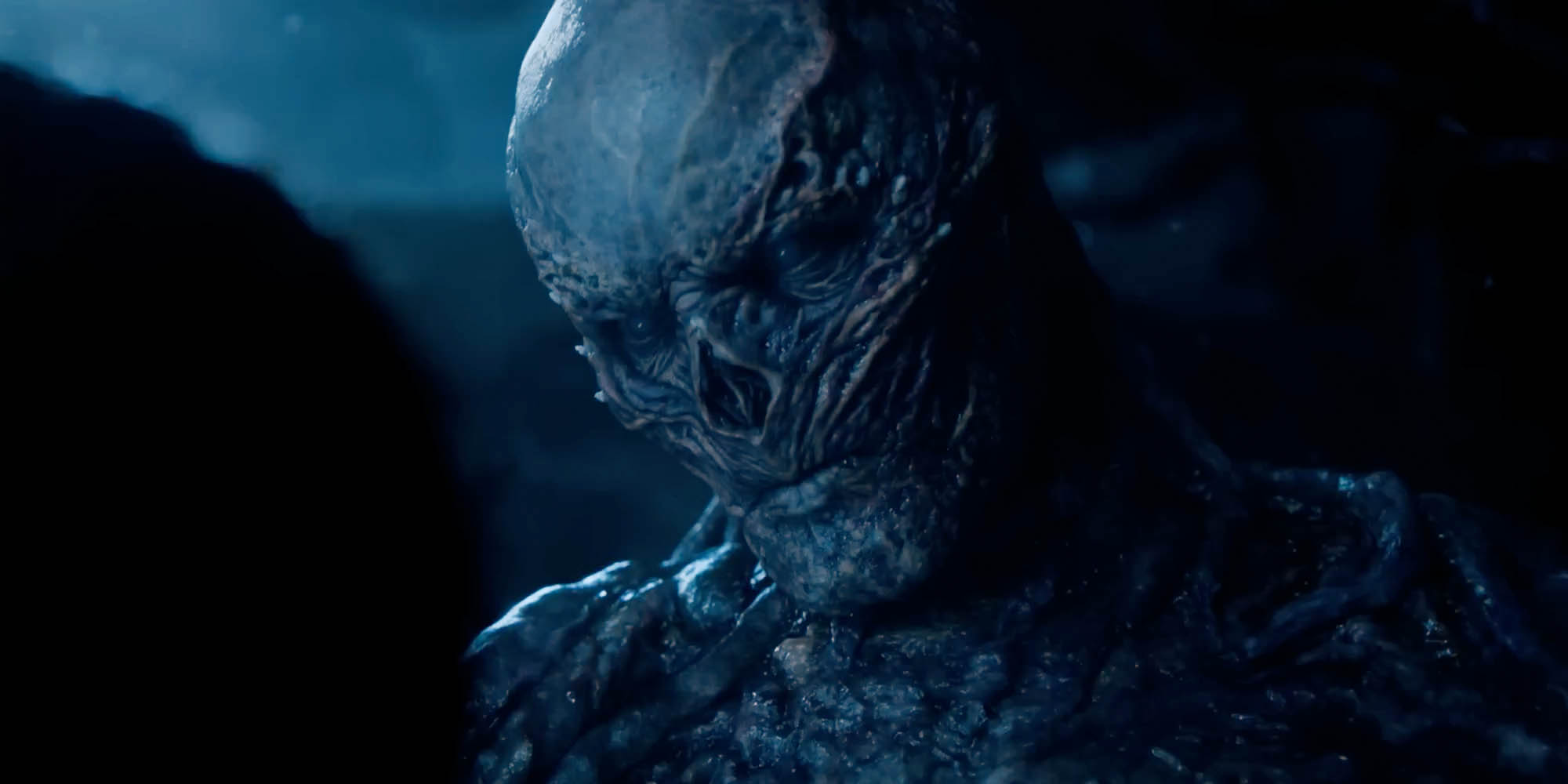
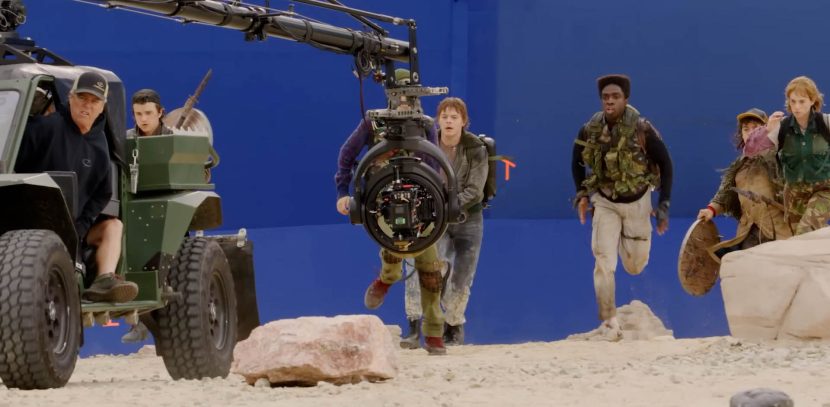
In an era where "in-camera" is often used as a marketing buzzword, Stranger Things opted for a more honest, labor-intensive approach. The Upside Down and its denizens—Vecna, the Demogorgons, and the Mind Flayer—are inherently non-existent, yet the production refused to rely on the "fix it in post" mentality. Instead, every department, from special effects and stunts to production design and makeup, worked in unison to provide the camera with physical interactions. If a Demogorgon was to knock a vase off a table, that table was rigged to move, and the vase was real. If an actor was to be attacked, stunt performers were rigged with wires to provide physical resistance rather than relying on digital placeholders.
Chronology: From Pre-Production to Final Polish
The journey to the final season began a full year before the cameras rolled. This extended lead time allowed for a rigorous pre-visualization (previs) process that served as the "common language" for the crew.
- Year 1: Planning and Previs: The team mapped out the geography of the season’s most ambitious sequences, such as the final quarry battle. By establishing the blocking, scale, and spatial relationship between characters and creatures early on, the team allowed for on-set spontaneity while ensuring the core physics of the scene remained intact.
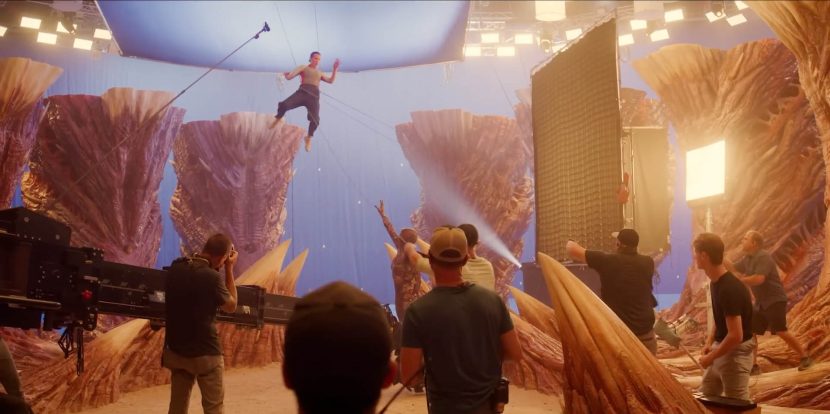
- The Shoot (The Hybrid Phase): During the filming phase, the team employed innovative tools like augmented reality (AR) iPads to allow the crew to visualize CG monsters in real-time. Practical elements—such as sand bursts to signify footfalls—were triggered on set, giving actors concrete physical cues.
- Post-Production (The Refinement Phase): Post-production was characterized by a high-velocity feedback loop. At the peak of operations, Paterson was reviewing upwards of 300 shots daily. The final polish involved intricate color grading, where the colorist worked in the same facility as the VFX team to ensure that the lighting, which shifted aggressively during combat, remained consistent across both practical photography and digital assets.
Supporting Data: The Complexities of Performance Capture
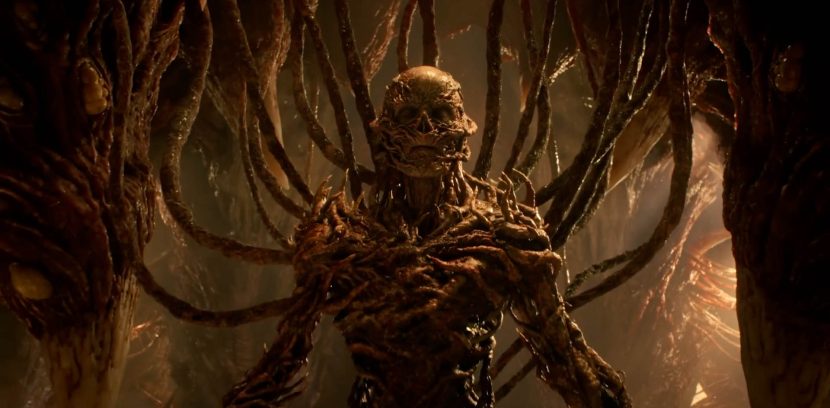
The production’s commitment to "performance-first" VFX is best exemplified by the character of Vecna. While a fully digital character driven by motion capture was technically feasible, the production insisted that actor Jamie Campbell Bower remain physically present on set.
The Vecna Protocol
Bower wore a specialized, close-fitting suit with minimal tracking markers. This allowed the actor to maintain his terrifying presence on set, interacting with his co-stars in real-time. Because the digital replacement work was extensive, the team carefully negotiated the amount of on-set tracking data required. Bower even requested specific padding under his arms and shoulders after seeing early animation tests, noting that his own frame felt too slight to match the intimidating silhouette of the monster. This synthesis of actor performance and digital augmentation ensured that the horror remained grounded in the human element.
The De-aging of Young Will
Perhaps the most high-stakes challenge was the return to "young Will." To recreate the character as he appeared in Season 1, the production cast a younger actor, Luke, whose physical proportions matched a young Noah Schnapp. Wētā FX utilized a sophisticated capture package:
- Tracking: The young performer wore facial tracking dots, supplemented by two witness cameras on the main rig and four additional cameras positioned around the set.
- Reference: The team compiled a massive library of archival footage, including outtakes and publicity material, to train their models.
- The Threshold: While machine learning (AI) was considered, the team opted for a traditional, highly controlled CG face-replacement. The "singing" sequence, in particular, proved to be the benchmark for success, as it required the delicate micro-movements of human lips—the most difficult aspect of digital face replacement.
Official Responses and Industry Implications
Paterson’s approach underscores a shift in how high-end streaming television is produced. "We need to do as much real as possible, and the line becomes when it is just not possible anymore," Paterson notes. This philosophy of "negotiated reality" has profound implications for the industry.

By prioritizing physical interactions—such as using a modified scuba-style mouthpiece to help child actors simulate the physical sensation of having a tendril in their mouths—the production saved time in post-production. It gave the artists at Wētā FX, ILM, and various other vendors a source of truth that was already lit, shadowed, and reacting to the environment.
The collaboration between vendors was equally unprecedented. With ILM and Wētā FX handling the bulk of the heavy lifting, and smaller boutique studios like Eyeline and Rodeo FX handling specialized shots, the in-house team had to manage complex inter-vendor dependencies. A single shot might require environmental assets from one studio, creature animation from a second, and final composite work from a third. The success of this season suggests that the future of VFX lies not in the total replacement of the physical world, but in the sophisticated, granular integration of digital elements into the fabric of the set.
Implications: The Death of the "VFX vs. Practical" Binary
The ultimate takeaway from Stranger Things 5 is that the binary distinction between practical and digital is functionally obsolete. The most successful shots in the season were those where the audience could not discern where the physical set ended and the digital render began.
When a character stares at a monster in a flickering light, the light must respond to the monster, and the monster must respond to the light. This requires the production design team to build sets that are "VFX-aware"—using modular glass panes that can be tilted or removed, or incorporating practical floor rigs that match the rhythm of a digital entity.

As Paterson concludes, the goal of these massive technical efforts is, paradoxically, invisibility. Whether it is the subtle muscle simulation of a Demogorgon or the specific twitch of a young boy’s lip, the objective is to collapse the distance between the viewer and the event. Stranger Things demonstrates that when the entire production—from the Duffer Brothers’ direction to the smallest prop placement—is unified by a shared vision of physical reality, the audience stops questioning whether what they are seeing is "real." They simply believe it.
In the final analysis, Season 5 succeeds because it acknowledges that while the monsters may be digital, the fear they inspire must be rooted in something that was, at least for a moment, truly there.