The Invisible Architect: How Paula González-Nasser’s ‘The Scout’ Captures the Quiet Desperation of New York Filmmaking

In the hyper-accelerated ecosystem of New York City’s independent film industry, the "location scout" is a ghost in the machine. They are the advance guard, the ones who infiltrate the private sanctuaries of strangers to secure the backdrops for stories that the residents will likely never watch. In her directorial debut, The Scout, filmmaker Paula González-Nasser strips away the glamour of production to reveal a central, haunting thesis: human beings are uniquely capable of radical vulnerability when they believe they are speaking to someone invisible.
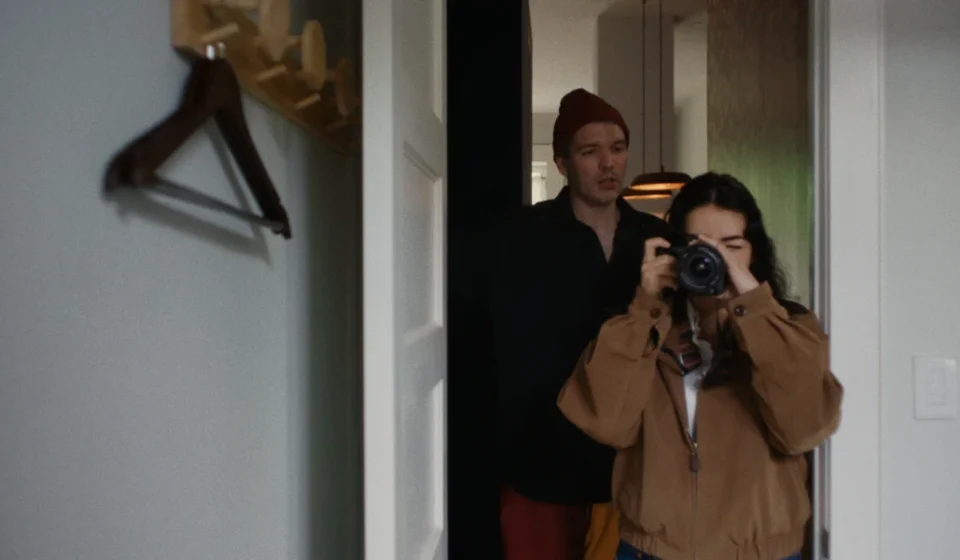
The film follows Sofia (played with a weary, grounded intensity by Mimi Davila), a location scout navigating the thankless trenches of the NYC production circuit. Her days are a blur of transit, doorbell buzzers, and the clinical photography of living rooms, kitchens, and bedrooms that will be discarded by department heads with the flick of a finger. It is a portrait of a profession that serves as the backbone of the city’s visual identity, yet remains fundamentally unacknowledged by the world it helps create.
The Anatomy of an Invisible Profession
To understand The Scout, one must understand the paradoxical nature of the job. A location scout is essentially a hunter-gatherer of aesthetics. They traverse the five boroughs, entering the most intimate spaces of strangers—people who often view these filmmakers as nothing more than a convenient source of side income.
The residents Sofia encounters represent a cross-section of the city: grandmothers eager to show off family portraits in a bid for human connection, and opportunistic scammers who see the camera lens as a transactional barrier. For these people, Sofia is the face of the entire film industry. She is the only point of contact they will ever have with the magic of the movies. Yet, for Sofia, they are merely "locations" to be managed, photographed, and ultimately abandoned.
González-Nasser, who cut her teeth as a scout on acclaimed series like High Maintenance and Russian Doll, infuses the narrative with a gritty, lived-in authenticity. She understands that the job is not merely about finding a pretty apartment; it is about the emotional toll of being a professional intruder. Sofia becomes a repository for the secrets of strangers—a quasi-therapist for the lonely, the bored, and the eccentric—knowing full well that these relationships have a built-in expiration date.
Chronology of a Production: From Script to Screen
The development of The Scout mirrors the cyclical, exhausting nature of the industry it depicts.

- Pre-Production Roots: González-Nasser began documenting her own experiences as a scout, translating the specific, mundane frustrations of the job into a screenplay that prioritizes observational detail over high-concept drama.
- The Partnership: The project gained momentum through a collaboration with producer and editor Ryan Martin Brown, whose own film, Free Time, established a similar template for the "New York indie" aesthetic—a genre defined by its patience and its focus on the small, inconsequential interactions that color a life.
- The Shoot: Filming took place across various New York locations, utilizing a "run-and-gun" style that reflects the protagonist’s own frantic, deadline-driven existence.
- Release Strategy: After a festival run, the film secured a distribution deal with Greenwich Entertainment. It debuted at the historic Film Forum in New York, with a targeted rollout strategy aimed at urban markets like Los Angeles before a wider national expansion.
Supporting Data: The Economics of the Invisible
While The Scout is a work of fiction, it is tethered to the harsh economic realities of the film industry. The "location fee" model is a billion-dollar industry in New York City, yet the scouts responsible for facilitating these deals often exist in a state of professional precariousness.
According to production industry labor statistics, the turnover rate for entry-to-mid-level location staff is significantly higher than for other technical crew roles. The mental strain identified in the film—the "gap" between one’s artistic aspirations and the reality of scouting apartments—is a well-documented phenomenon among creative freelancers in New York.
Furthermore, the film highlights a demographic shift in the industry: as costs of living in NYC rise, the "creative class" that once populated the film world is increasingly replaced by those who can afford the instability. Sofia’s struggle is not just about the difficulty of her job; it is about the difficulty of maintaining a dream in a city that treats that dream as an expendable commodity.
The Silence of the Protagonist: A Stylistic Choice
One of the most striking aspects of González-Nasser’s direction is her refusal to grant the audience access to Sofia’s internal monologue. In a typical film, we might expect a voiceover explaining Sofia’s dreams, her fears, or her critique of the industry. Instead, The Scout forces the audience to observe her from the outside, much in the same way the apartment residents observe her.
This choice is a masterstroke of restraint. By denying us an internal roadmap, the film mirrors the experience of the job itself. Sofia is constantly running, constantly stressed, and constantly negotiating with four different bosses, yet she has no space to voice these anxieties. The audience is left to witness the mounting pressure of her days, leading to a "dryly amusing" yet deeply empathetic viewing experience. We are forced to ask: Why does she keep doing this? The film provides the answer not through dialogue, but through the accumulation of small, quiet moments that eventually reveal the complexity of her ambition.
Implications: The Mirror Held to the Industry
What does The Scout say about the culture of modern filmmaking? Primarily, it serves as a critique of the industry’s capacity for objectification. We, the viewers, are trained to look at the screen and see the world of the characters; we are rarely trained to see the space that holds them.

The film implies that the "making of" is as much a human story as the finished product. By shifting the lens to the person who finds the space, the film invites a broader conversation about who we choose to see. The "invisible" workers—the scouts, the PAs, the low-level production staff—are the ones who truly understand the texture of the city.
For the audience, the film serves as a humbling reminder: the next time we watch a scene set in a cozy, lived-in apartment, we are looking at the result of someone like Sofia’s labor. We are looking at a place where a stranger once poured their heart out to a woman who had to keep moving, keep shooting, and keep the production on schedule.
Critical Reception and Future Impact
As The Scout prepares for its nationwide expansion, early critical consensus has labeled it a "quiet, essential" contribution to the New York canon. It is a film that demands patience, rewarding the viewer with a profound sense of place and a deeply relatable human struggle.
While the film avoids the "heavy-handed growth arc" that plagues so many indie dramas, it manages to achieve something far more difficult: it accurately captures the dissonance of being "close" to one’s dreams while simultaneously feeling like you are falling behind. For many in the creative arts, this is the most honest depiction of success possible.
Grade: B-
The Scout is currently playing at the Film Forum in New York City. It will expand to the Alamo Drafthouse in Los Angeles on October 2, followed by a broader release across the United States throughout the autumn. As the leaves turn in the city that Sofia traverses, audiences across the country will have the chance to see the hidden architects of the screen—and perhaps, for the first time, to truly see them.