The Hollywood Fuel: Ryan Reynolds’ Transformation Secrets and the Dietary Habits of the Stars

In the high-stakes world of Hollywood, physical transformation is often as essential as a compelling script. For A-list stars, the ability to mold their bodies to fit the demands of a blockbuster role—whether it is a superhero, a mythological warrior, or a CGI-enhanced detective—requires a level of discipline that rivals professional athletes. Among the most dedicated of these performers is Ryan Reynolds, who recently offered a lighthearted, if not entirely accurate, glimpse into his "method acting" process for the 2019 hit Detective Pikachu.
The Art of the Transformation: Ryan Reynolds’ Method
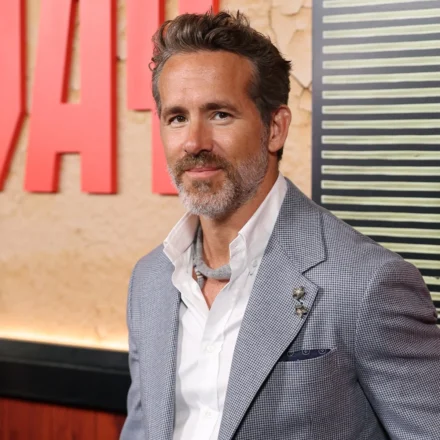
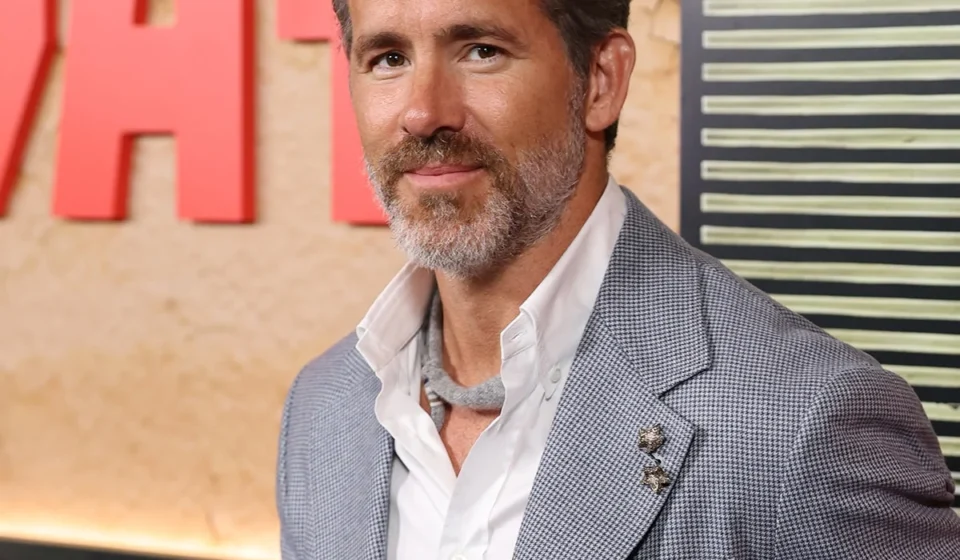
Ryan Reynolds is well-known for his wit, and he did not miss a beat when he recently joked about his preparation for the role of Pikachu. In a playful Instagram post shared on November 10, the 50-year-old actor claimed he "prepped for months" for his "most emotional performance to date." He accompanied the quip with a clip of himself singing the iconic Pokémon theme song, jokingly noting that he "sheltered himself from the outside world on a diet of ketchup alone."
While the ketchup diet is clearly a comedic nod to Pikachu’s favorite condiment, the underlying truth is that Reynolds is a veteran of extreme physical commitment. The actor, who balances a thriving career with his life as a father to James, Inez, Betty, and Olin—his children with wife Blake Lively—has long been transparent about the grueling nature of Hollywood fitness.
A History of Physical Adaptation
Reynolds’ journey into high-intensity physical training is well-documented. His transition into the action-star archetype was cemented during his preparation for the 2009 film Blade: Trinity. At the time, Reynolds committed to a rigorous regimen that saw him gain 25 pounds of pure muscle while simultaneously driving his body fat percentage to single digits.
"I had a goal, and for three to four months leading up to it, I would train six days a week," Reynolds explained in an interview. "That time taught me so much. Now my training is more functional and less aesthetic—although that certainly comes with it."
This philosophy has evolved as Reynolds has aged. He now emphasizes that "every role is different, and it’s not the same physique every time." For a role like Deadpool, where the character requires a lean, muscular aesthetic, Reynolds utilizes a disciplined, six-meal-a-day structure. His staples include:
- Lean Proteins: Eggs, tuna wraps, chicken, and broiled fish.
- Healthy Fats: Avocado and almond butter.
- Complex Carbohydrates: Brown rice and hearty salads.
- Supplementation: Whey protein shakes and protein bars.
Chronology of Celebrity Fitness and Dietary Trends
The evolution of celebrity nutrition has shifted dramatically over the past two decades. In the early 2000s, the focus was often on rapid weight loss or extreme "bulking" for action roles. However, the modern era of celebrity health has trended toward longevity, functional fitness, and the democratization of healthy snacking.
The Shift Toward Functional Fuel
As fitness culture has permeated mainstream social media, celebrities have become more vocal about their daily habits. The "clean eating" movement of the 2010s gave way to the current era of "intuitive snacking." Rather than adhering to restrictive, unsustainable diets, many stars have opted for nutrient-dense, easily accessible snacks that support a busy, high-pressure lifestyle.
The current landscape of celebrity nutrition is characterized by a balance between indulgence and health. This shift is evident when examining the habits of stars across various industries, from sports to reality television, who are moving away from the "dieting" mindset and toward a "fueling" mindset.
Supporting Data: What the Stars Actually Eat
While Ryan Reynolds focuses on macro-calculated meals to support his action-star physique, other celebrities maintain their energy levels through a diverse array of snacks. These choices often reflect personal taste, cultural background, and the need for convenience.
The Power of Plant-Based Snacking
A common thread among many celebrities is the reliance on whole foods. Fruits, nuts, and healthy fats appear as the most popular category for quick energy.
- Kate Hudson: Prefers the "satisfying crunch" of sliced apples.
- Padma Lakshmi: Sticks to the classic pairing of green apples and peanut butter.
- Maggie Q: Simply views fruit as the "most perfect food."
- Dorit Kemsley: Opts for the savory combination of carrots, hummus, and a handful of raw nuts.
The "Indulgent-Healthy" Compromise
Some stars have developed creative, "science-based" approaches to snacking that bridge the gap between pleasure and nutrition.
- Chloe Trautman: Has developed a specific method for honeycrisp apples, involving melted peanut butter, honey, and a precise slicing technique.
- Raye Boyce: Admits to a nostalgic, "weird" favorite—flour tortillas with melted butter and Nutella, which she affectionately calls an "easier version of a crepe."
- Genevieve Padalecki: Favors avocado with sea salt, occasionally elevating it with a poached egg and hot sauce.
Protein-Focused and Savory Preferences
For those looking for sustained satiety, protein-heavy snacks remain a staple.
- Lana Condor: Has famously championed canned oysters, citing them as an exceptional source of protein, magnesium, and vitamin C.
- Paige DeSorbo: Prefers a more Mediterranean approach, snacking on prosciutto and mozzarella daily.
- Brooke Burke: Keeps it simple with raw macadamia nuts.
Official Perspectives: The Philosophy of Preparation
When asked about the mental toll of strict dieting for film roles, Reynolds provided a perspective that extends beyond Hollywood. "The diet aspect becomes a job, the working out becomes a job," he told Fighters Only in 2019. "And people can do that in their own life, but with prepping for a role it’s easier. I think people should treat it seriously and fully invest if they want to make changes in their own lives."
This sentiment underscores a broader trend: the professionalization of personal wellness. For stars like Reynolds, the body is a tool of the trade. However, for the average person, the lesson is not necessarily to adopt a 3,200-calorie muscle-building diet, but to understand the importance of consistency, intent, and the "full investment" in one’s personal goals.
Implications for Public Health and Celebrity Culture
The public fascination with what celebrities eat is a double-edged sword. On one hand, it provides a window into the dedication required to perform at a high level. On the other, it can set unrealistic standards for the average person who does not have access to a team of personal chefs, trainers, and nutritionists.
The Reality of "Accessible" Fitness
It is critical to distinguish between the dietary requirements of an actor preparing for a superhero role—which is a short-term, high-intensity project—and the long-term nutritional needs of a general population. Reynolds himself acknowledges that his training has become "more functional," shifting the focus away from the extreme aesthetics of his younger years.
By sharing his staples (tuna, brown rice, avocado), Reynolds provides a more grounded example of healthy living. The inclusion of snacks like carrots, hummus, and fruit from other stars further emphasizes that the most sustainable dietary habits are often the simplest ones.
The Future of Celebrity Influence
As society continues to prioritize health and wellness, the influence of celebrities on public dietary choices is likely to evolve. We are seeing a move toward transparency; stars are no longer pretending to live on air and water. Instead, they are sharing their love for Hot Cheetos (Francia Raisa), Flavor Blasted Goldfish (Kelsey Owens), and simple avocado snacks.
This transparency is perhaps the most healthy development in modern celebrity culture. It humanizes the stars and reminds the audience that even the most disciplined actors, like Ryan Reynolds, are capable of humor, cravings, and finding balance amidst the chaos of a professional life.
Conclusion
From the meticulously calculated caloric intake of Ryan Reynolds to the simple, comforting snacks of stars like Lana Condor and Kate Hudson, the dietary landscape of Hollywood is as diverse as the roles these individuals play. Whether it is a 25-pound muscle gain for a blockbuster or a simple afternoon apple, the underlying theme is one of intention.
While we may not all be preparing for a role in a multi-million dollar film, we can learn from the consistency that these stars demonstrate. By focusing on functional foods, understanding the importance of protein and healthy fats, and allowing for the occasional indulgence, we can fuel our own lives with the same level of care that Hollywood’s finest bring to the silver screen. As Reynolds suggests, the secret is not in a single "magic diet," but in the decision to treat one’s own health with the same professional seriousness as a career-defining role.