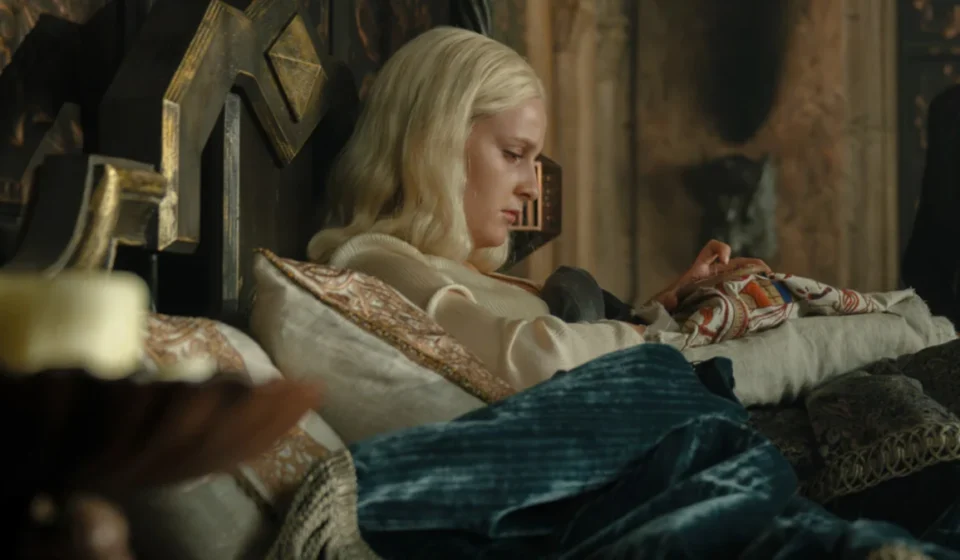
The Fire That Smoldered: Decoding the Arrival of Dreamfyre in ‘House of the Dragon’ Season 3

Warning: This article contains major spoilers for "House of the Dragon" Season 3, Episode 7.
As House of the Dragon barrels toward its conclusion—with HBO confirming that the series will wrap up with its fourth season—the narrative stakes have never been higher. Yet, amidst the political maneuvering in King’s Landing and the escalating civil war, the show has finally turned its lens back toward the core of its mythology: the dragons. In the seventh episode of the third season, the series finally delivered a moment fans have been clamoring for since the pilot: the reveal of Dreamfyre, the majestic, century-old dragon bonded to Helaena Targaryen.
While the appearance was brief and shrouded in the surrealism of a dream sequence, it serves as a critical inflection point for the show’s final act. As the Dance of the Dragons approaches its bloodiest phase, the presence—and absence—of these ancient creatures continues to define the trajectory of the Targaryen dynasty.
The Mythic Weight of Dreamfyre
Dreamfyre has long been a subject of fascination among readers of George R. R. Martin’s Fire & Blood. Known for her stunning blue scales and distinct silvery horns, she is one of the oldest and most beautiful dragons in the Targaryen stable. Within the lore, her bond with Helaena Targaryen (Phia Saban) is deeply thematic; Helaena is portrayed as a gentle, often detached soul, while Dreamfyre is a powerhouse of untapped potential.
For two and a half seasons, the series kept Dreamfyre largely in the shadows. This absence was not merely a production choice; it was a character-defining mystery. Helaena’s reluctance to fly, combined with the series’ insistence that she has "no taste for riding," created a dissonance that confused many viewers. How could a Targaryen princess, bonded to one of the most magnificent beasts in Westeros, remain grounded while her family descended into a war fought on dragonback?
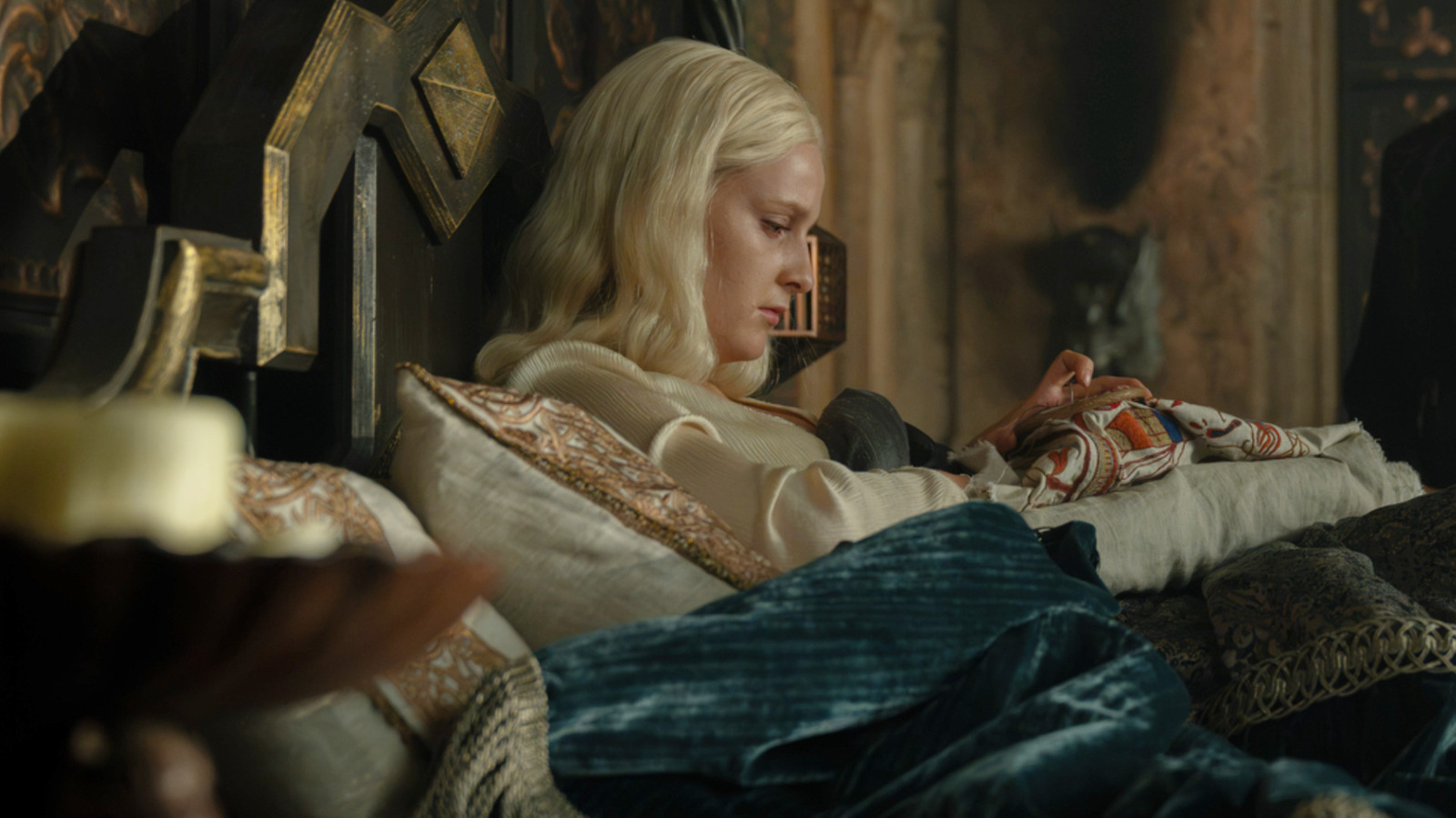
The answer, it seems, lies in the subconscious. The brief 20-second sequence in Episode 7, where Dreamfyre is finally seen—not in a peaceful flight, but in a vision of fire and destruction against protestors—suggests that Helaena’s connection to her dragon is rooted in trauma and prophecy rather than companionship.
Chronology of a Disconnect: Why the Delay?
To understand the significance of this reveal, one must look at the timeline of the Targaryen decline. In the early episodes of the series, the dragons were symbols of absolute power. As the conflict between the Greens and the Blacks intensified, the dragons shifted from symbols of status to tools of mass destruction.
- Season 1 & 2: Helaena was established as a dreamer. The show prioritized her prophetic nature, often depicting her as a Cassandra-like figure who saw the doom of her house but was unable to prevent it. Her lack of dragon-riding was presented as a symptom of her ethereal, detached personality.
- The Mid-Season 3 Shift: The introduction of Alys Rivers (Gayle Rankin) and her claims regarding ancient dragon eggs supposedly left behind by Dreamfyre introduced a new layer of mystery. By tying Dreamfyre to the origin of these eggs, the show expanded the dragon’s importance beyond the current war, positioning her as a link to the past of the Targaryen line.
- The Episode 7 Reveal: By showing Dreamfyre in a nightmare-induced blaze, the writers have effectively pivoted. The dragon is no longer a dormant background element; she is an active force in Helaena’s psyche.
Supporting Data: The Cost of the Dance
The seventh episode was not a kind one for the dragons of Westeros. The narrative focus on the suffering of these creatures underscores the central tragedy of the series: the Targaryens are not masters of their dragons; they are merely their final, destructive custodians.
The most harrowing sequence involved the fate of Sheepstealer. Rhaenyra Targaryen’s (Emma D’Arcy) hunt for the dragon, driven by the discovery of his rider, resulted in a brutal confrontation. For the audience, the sight of the dragon being put down "like a feral dog" served as a grim reminder of the show’s core thesis: the Dance of the Dragons is not just a war between families, but a war against the very magic that sustained the Targaryen empire.
The collateral damage is evident. Sheepstealer, a creature that possessed no understanding of succession or politics, was liquidated due to the machinations of Daemon (Matt Smith) and Rhaena (Phoebe Campbell). This act marks the beginning of a darker chapter in the series where dragons will be forced to fight and kill one another, leading to the inevitable extinction of the species.
Implications for the Series Finale
The return of Sunfyre, battered and missing half his face, provides a stark contrast to the ethereal, dream-like appearance of Dreamfyre. While Sunfyre represents the physical toll of the war, Dreamfyre represents the psychological toll.
The implications for the final season are twofold:
- The Prophetic Burden: Helaena’s dream suggests that she will be forced into a more active, albeit tragic, role. If she is dreaming of burning people, the show may be hinting at a catastrophic event in King’s Landing where Helaena is finally compelled to mount Dreamfyre, not out of desire, but out of desperate necessity or madness.
- The Mystery of the Eggs: With Alys Rivers claiming the eggs belong to Dreamfyre, the show is setting up a connection to the future of the series—specifically, the eventual hatching of the dragons seen in Game of Thrones. This creates a bridge between the two series, suggesting that the "Song of Ice and Fire" is as much about the lineage of dragons as it is about the lineage of the Iron Throne.
Official Responses and Creative Direction
While showrunners have remained tight-lipped about specific plot beats for the final season, the creative direction has been clear: House of the Dragon is moving toward a tragic crescendo. The decision to deviate from the source material—specifically regarding the timeline of Dreamfyre and the nature of the dragon eggs—has sparked debate among fans.
Critics of the changes argue that the show is complicating a lore that is already dense, while supporters suggest that these additions provide necessary emotional stakes for characters like Helaena and Alys. Regardless of the controversy, the visual spectacle of the dragons remains the show’s strongest selling point. The production team’s commitment to making each dragon feel unique—from the battle-hardened, scarred Sunfyre to the pristine, spectral Dreamfyre—demonstrates an intent to treat these creatures as central characters rather than mere CGI assets.
Conclusion: The Twilight of the Dragons
As we approach the end of the line, the reveal of Dreamfyre serves as a poignant reminder of what is being lost. The "adorable little flying nukes" are becoming increasingly rare, and the world of Westeros is becoming increasingly hollow as they perish.
The seventh episode of Season 3 has effectively set the board for the final conflict. With the Greens and the Blacks locked in an inescapable cycle of violence, the dragons remain the tragic casualties of human ambition. Whether Helaena will finally take to the skies or remain a prisoner of her own visions, one thing is certain: the dance is nearing its end, and the fire is slowly burning out.
As viewers, we are left to wonder if the final episodes will offer any redemption for the dragons, or if the series will end in the same way it began: with the cold, hard reality that when you play the game of thrones, even the greatest powers in the world are eventually reduced to ash.