
As the television and film landscape shifts into its fall cycle, the symbiotic relationship between narrative storytelling and orchestral composition has never been more evident. This September, a series of high-profile premieres across MGM+, PBS, Apple TV+, and Netflix bring together some of the industry’s most acclaimed composers and visionary showrunners. From the gritty, historical tension of Dickensian London to the contemporary mysteries of the Australian outback, the following projects represent the current gold standard in screen music.
The Resurgence of Classics: MGM+ and PBS Masterpiece
The landscape of prestige television is currently dominated by two major limited series that rely heavily on their scores to bridge the gap between classic literature and modern sensibilities.
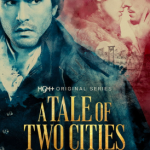
MGM+’s A Tale of Two Cities
Premiering today, the MGM+ four-part limited series A Tale of Two Cities marks a bold reimagining of Charles Dickens’ seminal work. Created by Daniel West, the series stars Kit Harington, François Civil, and Mirren Mack.
The weight of adapting such a beloved literary giant required a composer capable of balancing intimate human emotion with the macro-scale chaos of the French Revolution. Samuel Sim was tapped to anchor the production. Sim, known for his work on The Dark Crystal: Age of Resistance and The Bay, brings a nuanced, atmospheric approach to the score. His previous experience with historical dramas—such as The Spanish Princess and Domina—positioned him as the ideal candidate to translate the desperation and hope inherent in Dickens’ narrative into a modern sonic language.
The series is currently available on MGM+ and is scheduled to debut on BBC One in the United Kingdom later this year, further cementing the project’s transatlantic appeal.
PBS Masterpiece: Marble Hall Murders
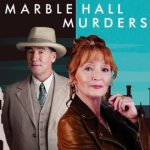
Concurrent with the Dickensian drama is the arrival of the PBS Masterpiece limited series Marble Hall Murders. Created by the prolific Anthony Horowitz, the series boasts an ensemble cast including Lesley Manville, Timothy McMullan, and Jamie Blackley.
For the score, the production reunited with Murray Gold, the composer synonymous with the Susan Ryeland Mysteries trilogy. Gold’s work on Magpie Murders and Moonflower Murders established a specific, inquisitive musical identity that he has expanded upon for this new four-part mystery. Gold’s resume—ranging from the high-energy adventures of Doctor Who to the poignant, character-driven works like It’s a Sin and A Very English Scandal—highlights his versatility. Marble Hall Murders is currently airing on PBS, with a forthcoming UK debut on BBC One.
Global Thrillers and Comedic Returns: Apple TV+ and Netflix
While historical and mystery dramas occupy the prestige space, streaming giants continue to push into localized, character-driven thrillers and long-awaited franchise continuations.
Apple TV+’s Last Seen
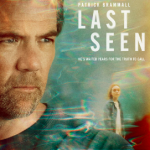
On Wednesday, September 9, Apple TV+ will launch Last Seen, an Australian original series developed by Kris Mrksa. Based on Ryan David Jahn’s novel The Dispatcher, the thriller features a robust cast including Patrick Brammall, Maxine Peake, and Brendan Cowell.
The sonic landscape of Last Seen has been crafted by Isobel Waller-Bridge. Following her success on projects like Fleabag, Emma, and Wicked Little Letters, Waller-Bridge is increasingly recognized for her ability to compose scores that feel both deeply psychological and rhythmically propulsive. Her involvement with Last Seen represents a significant investment in creating a high-tension auditory environment, which will be available to stream exclusively on Apple TV+ globally.
Tyler Perry’s Why Did I Get Married Again?
Also premiering this Wednesday, September 9, is the highly anticipated Netflix original film Why Did I Get Married Again?. Written and directed by Tyler Perry, this film brings together the original cast from the 2007 hit—including Taraji P. Henson, Jill Scott, and Michael Jai White—to revisit the couples as they navigate a new milestone.
Composer Sharon Farber is tasked with providing the musical heartbeat for this reunion. Known for her work on Brainwashed: Sex-Camera-Power and When Nietzsche Wept, Farber’s score aims to balance the comedic banter and the mature, evolving emotional stakes of the franchise. By drawing on the legacy of the 2007 original while introducing fresh musical motifs, Farber’s contribution is essential to the film’s attempt to bridge nearly two decades of storytelling.
Coming-of-Age: The Netflix Canadian Original Crew Girl
Rounding out the week on Thursday, September 10, is the Canadian Netflix series Crew Girl. Developed by the creative team of Vivian Lin and Morwyn Brebner, the series features Miku Martineau and Jessica Paré in a coming-of-age drama that navigates the complexities of adolescence and ambition.
Adam King, whose work spans Earth Abides and Kim’s Convenience, provides the original music. King’s ability to capture the specific, fleeting energy of youth and the pressures of modern life makes him a fitting choice for this project. His score is expected to be a critical component in establishing the show’s distinct tone as it hits the global Netflix platform.
Chronological Overview of Premieres
| Date | Title | Platform | Composer |
|---|---|---|---|
| September 7 | A Tale of Two Cities | MGM+ | Samuel Sim |
| September 7 | Marble Hall Murders | PBS | Murray Gold |
| September 9 | Last Seen | Apple TV+ | Isobel Waller-Bridge |
| September 9 | Why Did I Get Married Again? | Netflix | Sharon Farber |
| September 10 | Crew Girl | Netflix | Adam King |
Implications for the Industry
The current influx of high-budget series and films highlights a specific trend in the music-for-picture industry: the "composer-franchise" alignment. By bringing back composers like Murray Gold to continue the sonic legacy of the Susan Ryeland series, production houses are creating a sense of continuity that audiences recognize and trust.
Furthermore, the involvement of composers with diverse backgrounds—from Isobel Waller-Bridge’s background in indie-comedy to Samuel Sim’s extensive historical drama experience—indicates that streamers are prioritizing distinct "aural branding." In an era where viewers are bombarded with content, a unique, identifiable score has become a key competitive advantage.

Economic and Cultural Impact
These projects do not exist in a vacuum; they represent massive investments in international co-productions. The partnerships between US-based streamers (MGM+, Netflix, Apple TV+) and traditional UK broadcasters (BBC One) ensure that these stories reach a global audience, while the musical choices reflect a commitment to high production values.
As these shows premiere, industry analysts will be monitoring not just the viewership numbers, but the critical reception of the sound design. In the modern era of television, a show’s success is increasingly tied to its ability to evoke an emotional response that is as much about the ear as it is about the eye.
Conclusion: The Evolving Role of the Composer
The projects launching this week underscore the vital importance of the composer in modern storytelling. Whether it is a period piece like A Tale of Two Cities requiring an authentic, yet accessible, orchestral approach, or a contemporary thriller like Last Seen demanding a more experimental soundscape, these composers are the silent architects of the viewer’s experience. As we look ahead to the rest of the year, the work of Sim, Gold, Waller-Bridge, Farber, and King sets a high bar for the quality of auditory storytelling in 2026.