
The second season of Citadel has set a new benchmark for high-stakes episodic television, seamlessly blending grounded, character-driven drama with the kind of digital spectacle typically reserved for summer blockbusters. Behind the visceral intensity of the show’s most harrowing sequences—from human figures engulfed in infernos to complex orbital satellite collapses—lies the meticulous work of visual effects house DNEG.
In a recent deep-dive discussion, DNEG VFX Supervisor Daniel Baldwin revealed the sophisticated pipeline behind these technical achievements. By prioritizing practical references and maintaining a strict adherence to the actors’ original performances, DNEG has proven that "invisible effects" are often the most difficult to master.
A Collaborative Foundation
The partnership between DNEG and the Citadel production team was forged during the show’s inaugural season. According to Baldwin, the continuity of the creative relationship with Production Supervisor Wesley Froud was instrumental in the success of Season 2.
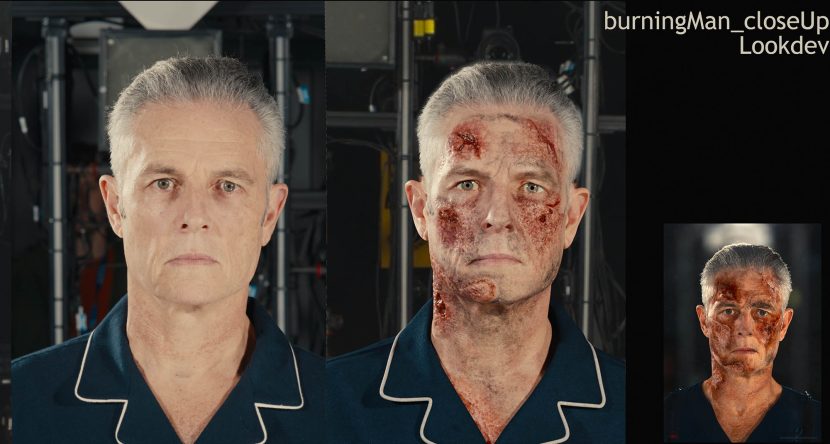
"DNEG was involved from the very beginning," Baldwin explained. "Wes is incredibly collaborative and always encourages technical and creative input from our side. We spent a long time discussing best practices for capturing real-world references, particularly for the more dangerous sequences, like the burning man shots."
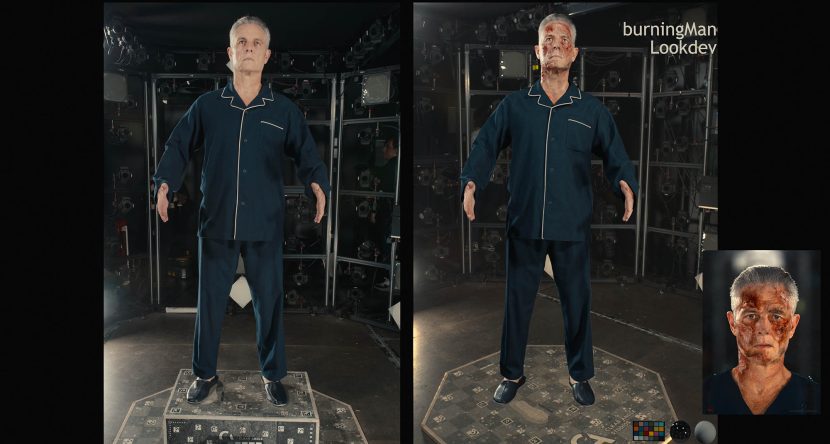
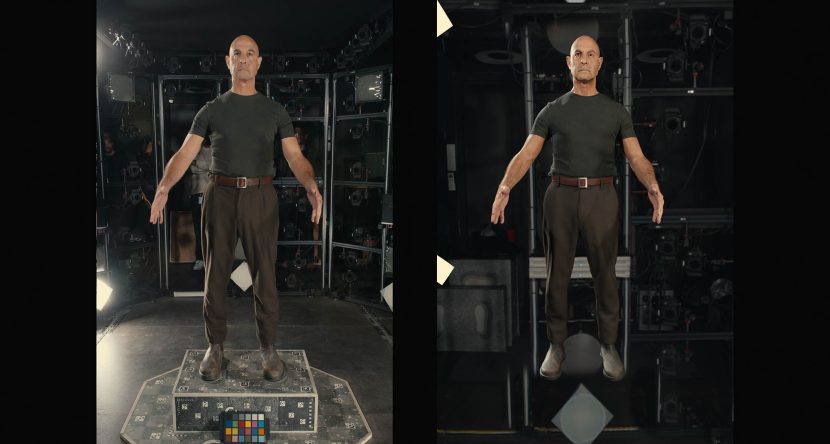
This early involvement allowed the VFX team to be present during data acquisition sessions, including on-set scanning, car crash staging, and the environment mapping of complex locations like Frankfurt. By ensuring that the VFX team was integrated into the production workflow rather than acting as a post-production afterthought, DNEG was able to maintain a high degree of fidelity in their digital assets.
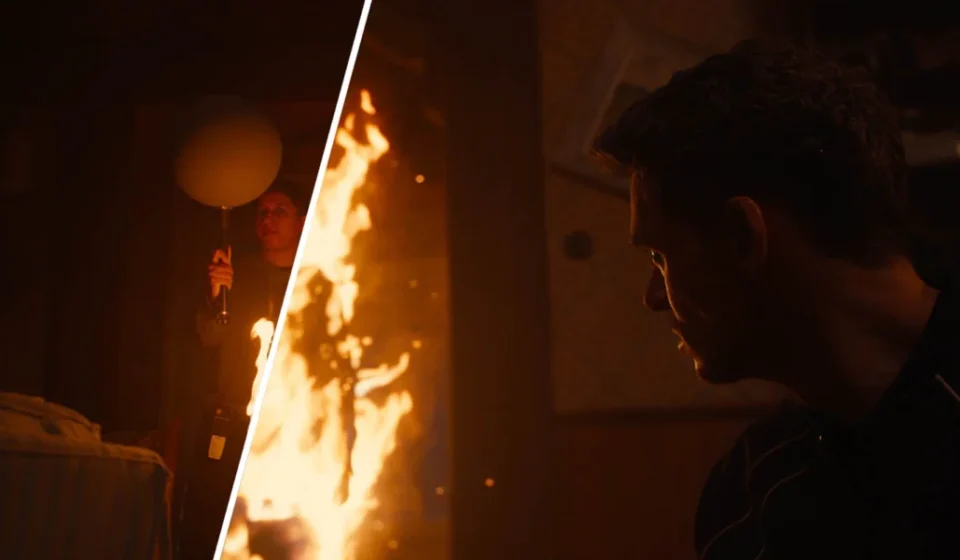
The Challenge of "Burning Man"
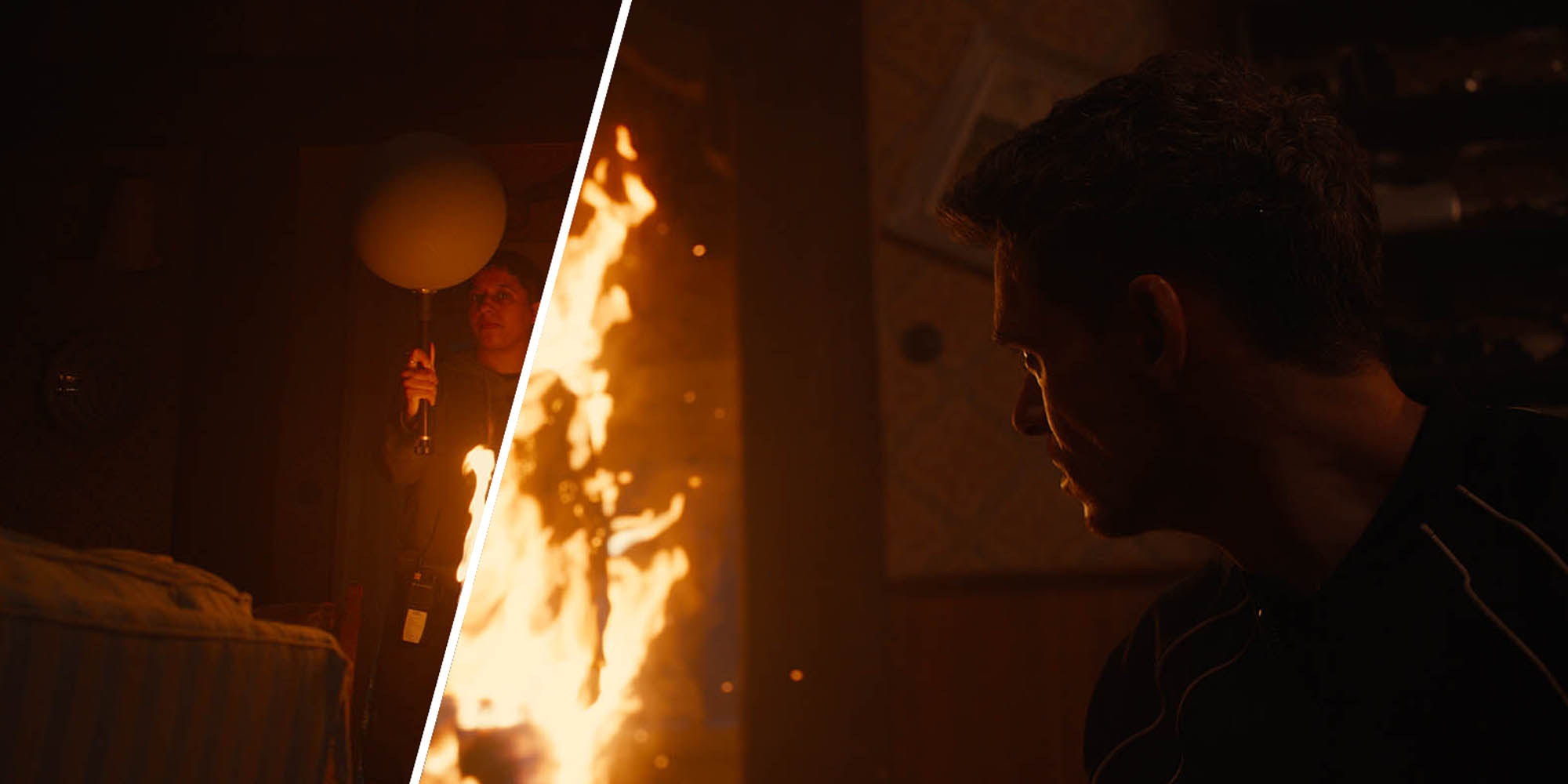
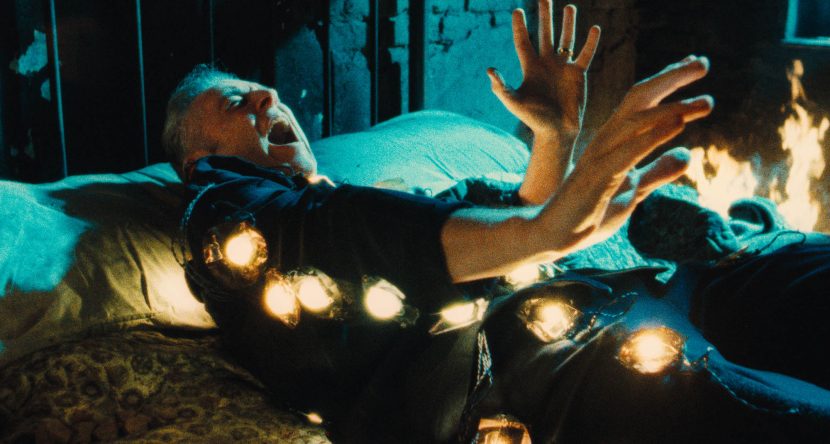
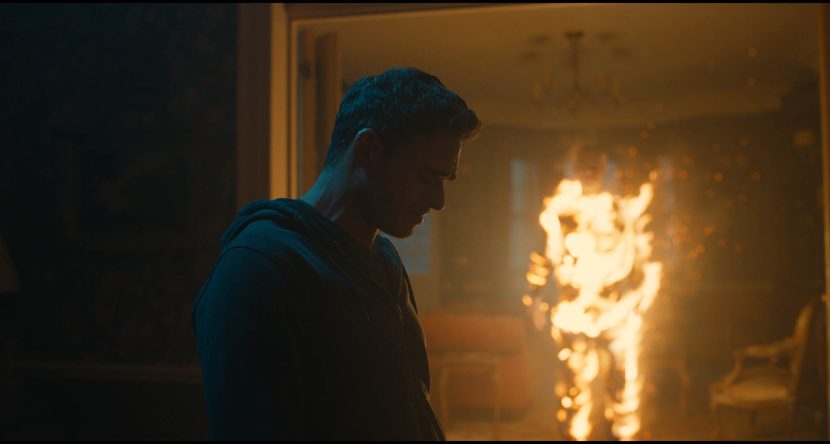
One of the season’s most emotionally resonant and technically demanding sequences involved a character engulfed in flames. Rather than relying solely on computer-generated imagery (CGI), the team employed a hybrid approach that leaned heavily on physical reality.
Practical Reference and Simulation
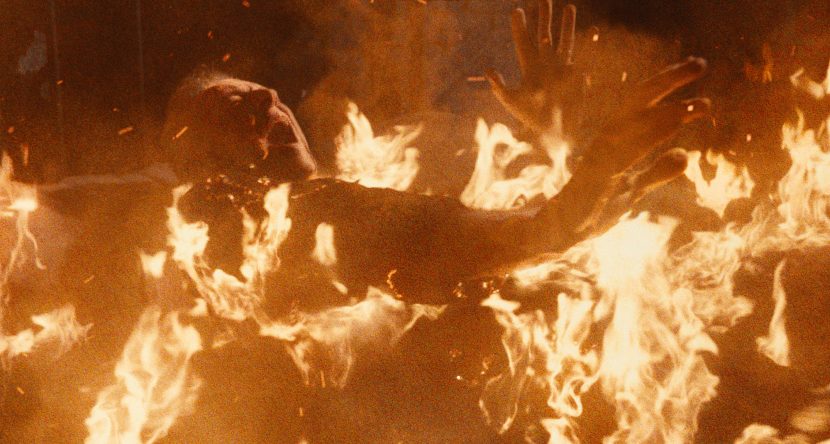
The team began by studying historical footage of stunt performers being set on fire. To further bridge the gap between theory and execution, Froud and his team conducted controlled tests using mannequins dressed in the character’s specific pajamas. These tests were vital for understanding material combustion, ember dispersion, and smoke density.
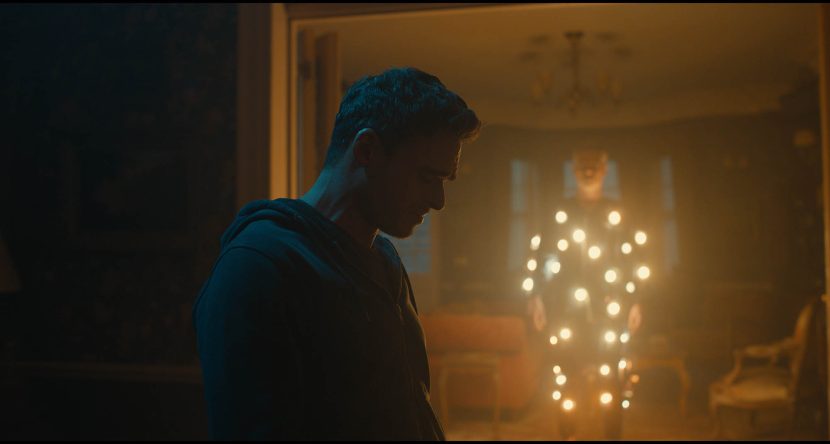
Furthermore, to ensure the lighting interacted authentically with the actor’s environment, the on-set team developed a custom LED suit for the performer. This allowed for precise, interactive lighting on the actor’s face and the surrounding set, which served as a ground-truth reference for DNEG’s compositors.
Preserving the Emotional Performance
A key mandate for the VFX team was the preservation of the actor’s performance. The team consciously avoided a full digital head replacement, opting instead for additive effects. By tracking scars and singeing onto the actor’s movements and expressions, DNEG ensured that the character’s emotional state remained uncompromised. The result is a sequence that feels dangerously real, achieved through a blend of CFX (character effects) simulations for the clothing and digital matte painting (DMP) reprojections for the skin.
Digital Doubles and Action Fidelity
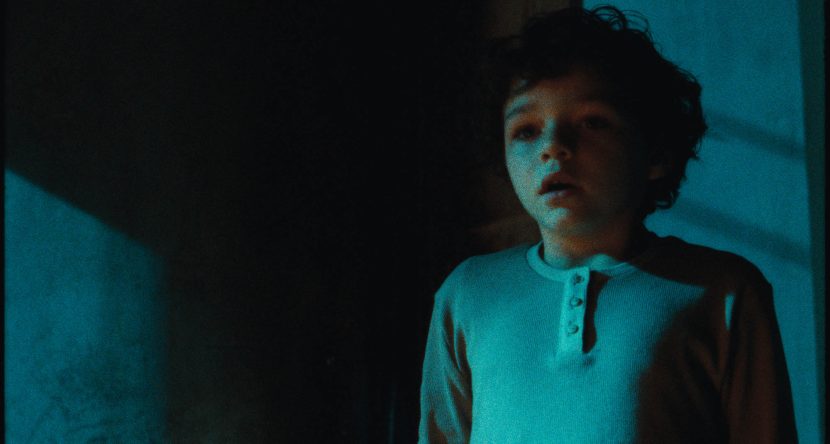
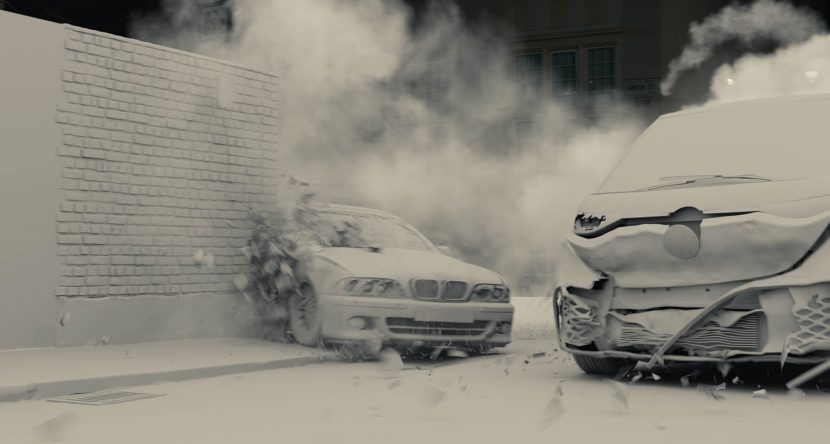
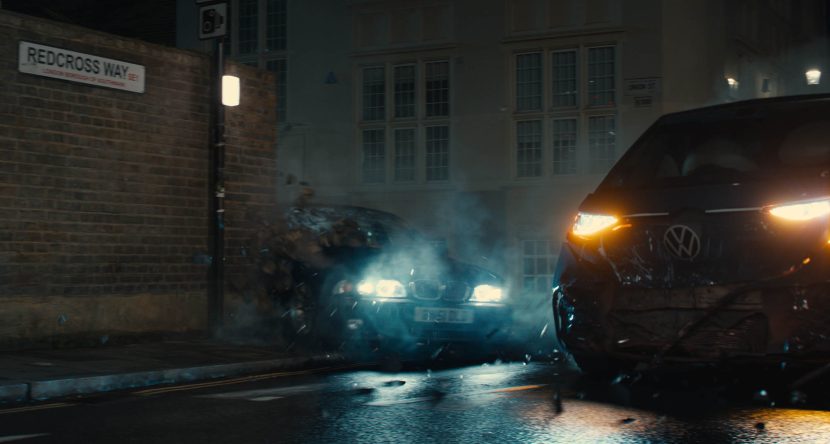
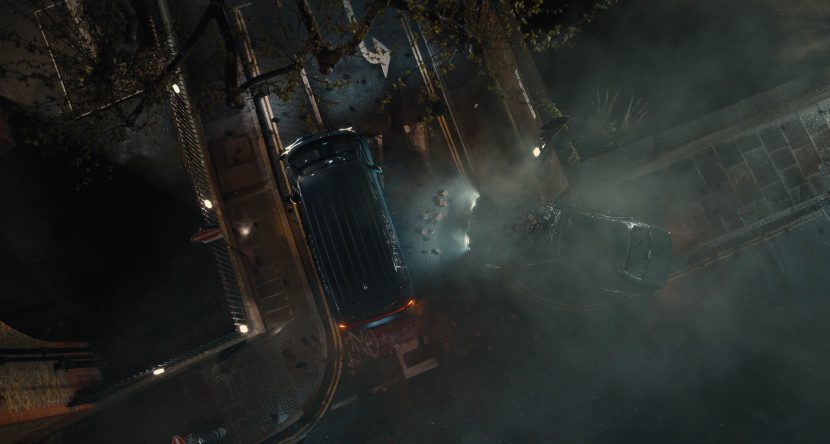
The action-heavy nature of Citadel necessitated the use of digital doubles (digi-doubles) for both stunt performers and principal actors. For instance, in the sequence where the character Hugo is struck by a vehicle, the team utilized high-fidelity scans of both the actor and the car.
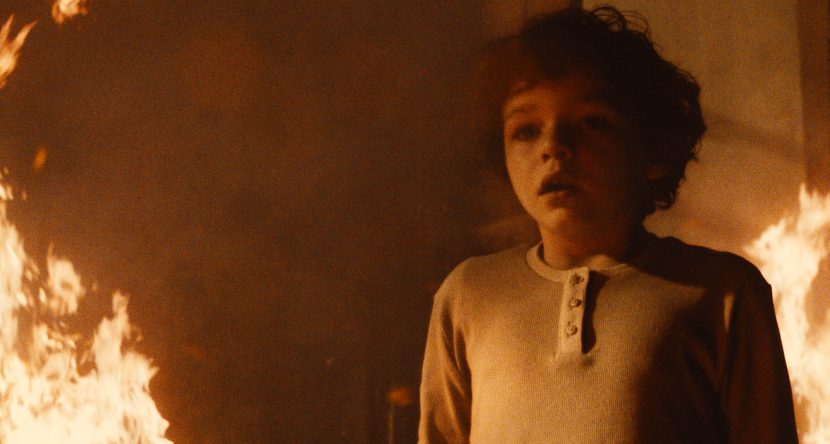
"We scanned the actor and the car to build CG replicas," Baldwin noted. "We shot HDRIs, grey balls, and chrome balls on set, and captured element references of the actor on wires. That was invaluable for lighting and comp."
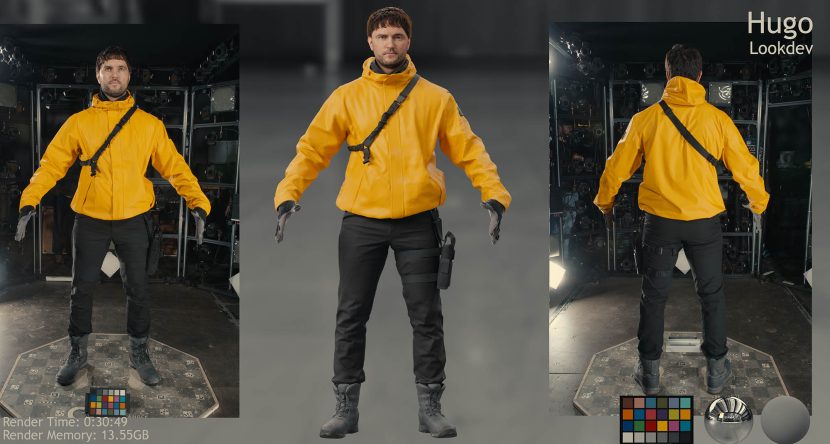
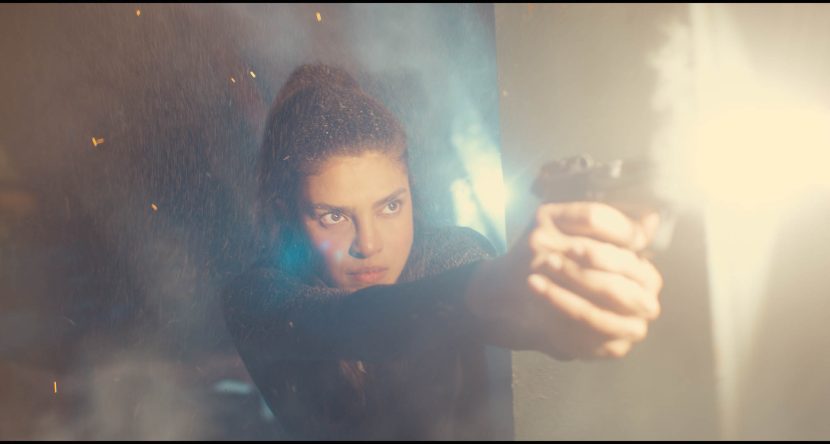
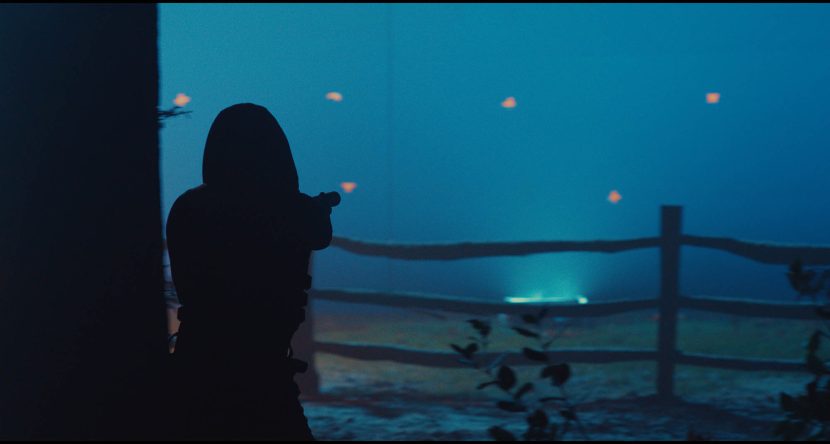
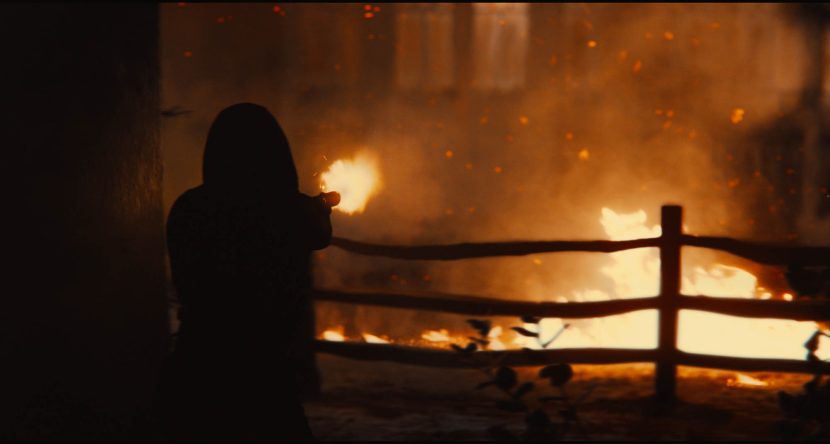
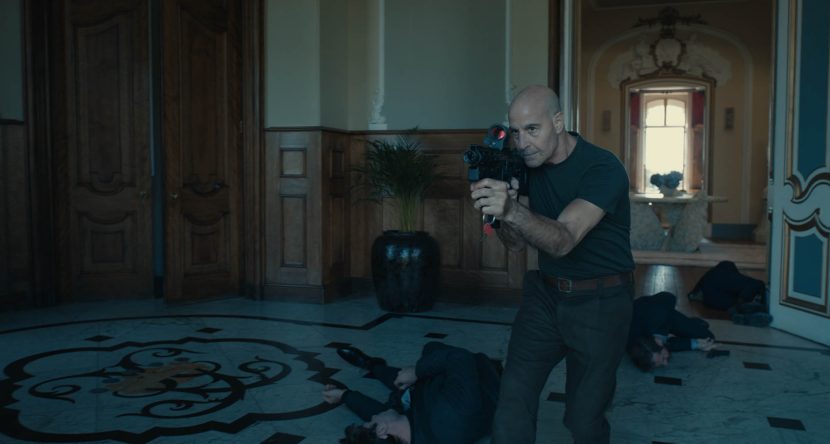
This approach to digi-doubles extends to the show’s gunplay. While DNEG maintains an extensive library of muzzle flashes and bullet hits, they often favor procedural Houdini setups when the camera movement is too complex for 2D elements. This commitment to physical accuracy—accounting for how bullets impact different materials—is what separates the show’s action sequences from more generic fare.
The 80-Second Continuous Stitch
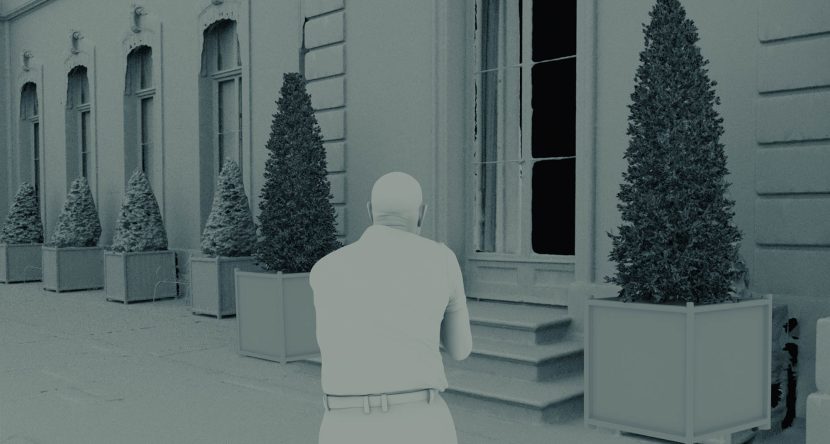
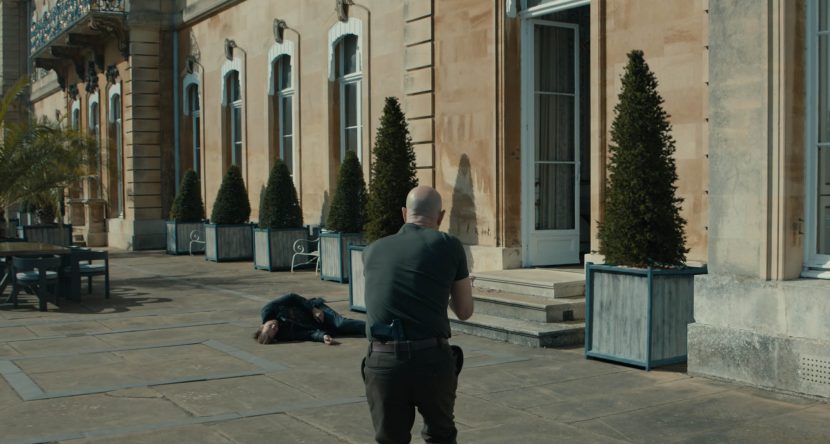
Perhaps the most ambitious feat in the season is an 80-second continuous shot that seamlessly transitions between multiple camera platforms. The shot required a combination of drone footage and Steadicam work.
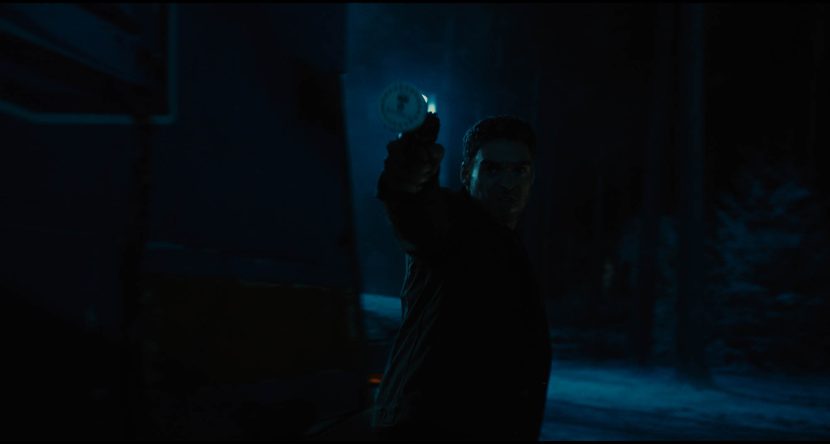
"The stitch was a drone into a Steadicam," Baldwin explained. "While efforts were made on set to align the cameras, the reality of natural light—where shooting over multiple takes leads to changing shadows and highlights—meant we couldn’t rely on a simple 2D stitch."
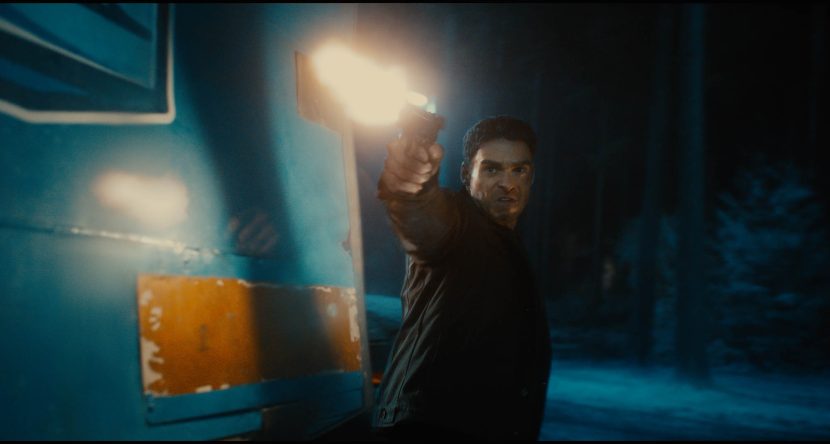
To solve this, DNEG rebuilt the entire environment in 3D. The team tracked both cameras and utilized a "hidden switch" for the actor’s performance, carefully blending shoulder and elbow positions across a minimal number of frames. By re-projecting the first plate onto a 3D environment build and relighting the CG actor, DNEG created a transition so smooth that the audience is effectively unaware of the immense technical heavy lifting occurring behind the scenes.
Orbital Spectacle: The G8 Finale
The season finale culminates in an expansive space sequence involving a satellite network collapse. To avoid the "generic sci-fi" look, DNEG leaned on their proprietary Earth-rendering engine, which provides a photoreal base for terrain and atmospheric effects.
The Physics of Space
The team faced a classic cinematic dilemma: in the vacuum of space, there is no fire. However, for the sake of visual storytelling, the team made a conscious decision to include brief, intense explosions.
"We discussed this early on, but agreed we had to have some recognizable explosions for the audience to quickly understand what’s happening," Baldwin said. "We excused the fire as coming from internal fuels and gases. We kept them brief and ensured they extinguished fully, respecting the zero-gravity environment for the resulting debris."
This balance between physical accuracy and narrative clarity is the hallmark of the season’s VFX work. The debris from these explosions was simulated to travel at consistent velocities until pulled by Earth’s gravity, providing a grounded, cinematic scale to a global-level event.
Implications for Episodic VFX
The success of Citadel Season 2 serves as a case study for the evolving standards of episodic television. With audiences increasingly sophisticated in their consumption of visual media, the "episodic schedule" can no longer be an excuse for compromised quality.
DNEG’s approach on this project suggests that the future of high-end television lies in:
- Pre-production integration: Getting the VFX supervisors involved before a single frame is shot.
- Hybrid Workflows: Combining practical, on-set physical references with high-end Houdini simulations.
- Respecting the Performance: Using digital tools to augment, rather than replace, the actor’s intent.
"The VFX process on this show never felt restricted by episodic schedule constraints," Baldwin concluded. "We were always given the time and space to do things the right way."
By prioritizing the "invisible" work—the subtle blood hits, the accurate lighting of a digital double, and the seamless environment stitching—DNEG has ensured that the digital spectacle of Citadel never distracts from the story, but rather provides the essential canvas upon which the drama unfolds. As the industry moves forward, the techniques pioneered on this season, particularly in the realm of 3D environment stitching and photoreal fire simulations, will likely become the new standard for prestige action series.