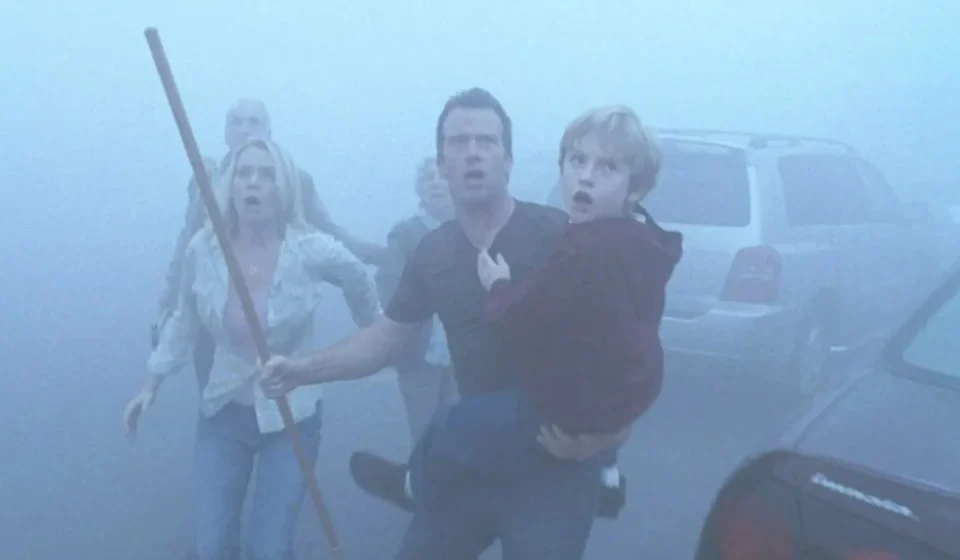

In the pantheon of modern horror, few films command the reverence afforded to Frank Darabont’s 2007 adaptation of Stephen King’s The Mist. A visceral, claustrophobic masterclass in human nature under duress, it stands as a pillar of the creature-feature subgenre. Yet, in the world of storytelling, no classic is so sacred that it cannot be revisited through a new lens. Enter Mike Flanagan, the acclaimed auteur behind The Haunting of Hill House and Midnight Mass, who has officially confirmed that his own adaptation of King’s seminal novella is not only in development but actively moving toward a script completion deadline.
For fans of King and Flanagan alike, this news serves as a significant milestone. During the recent Toronto International Film Festival (TIFF), Flanagan provided a concrete status update that should quell any lingering skepticism regarding the project’s momentum.
The Current Status: Progress in the Clouds
During a candid discussion at TIFF, Flanagan revealed that the project is occupying his immediate creative focus. "I’m writing it right now. I was working on it on the airplane here," Flanagan noted, underscoring the hands-on approach he takes with his literary adaptations.
Industry reports indicate that the screenplay is slated for completion by Halloween. This timeline suggests that Warner Bros. is eager to move the project through the development pipeline, potentially aiming for a pre-production phase as early as next year. For a filmmaker whose brand is synonymous with atmospheric dread and deeply human character work, The Mist represents a massive undertaking that balances the spectacle of cosmic horror with the quiet, suffocating terror of a supermarket under siege.
Chronology of a Masterpiece: From King to Darabont to Flanagan
To understand why this new adaptation is so significant, one must appreciate the lineage of the material.
- 1980: Stephen King publishes "The Mist" as part of the Dark Forces anthology. It is immediately lauded for its Lovecraftian sensibilities and its unflinching look at societal collapse.
- 2007: Frank Darabont, having previously adapted King’s The Shawshank Redemption and The Green Mile, brings the novella to the big screen. The film is celebrated for its practical creature effects and its controversial, gut-wrenching ending—an ending that notably differed from the novella’s more ambiguous conclusion.
- 2017: Spike TV attempts a television series adaptation, which met with mixed reviews and was ultimately canceled after one season, leaving a sour taste for many fans of the source material.
- 2024/2025: Mike Flanagan is tapped by Warner Bros. to helm a new cinematic interpretation, marking the first time the material has received a high-budget theatrical treatment since Darabont’s version.
The Philosophical Shift: Why Remake the "Perfect" Horror Film?
The primary criticism levied against this project is simple: How do you improve upon a film that many already consider "perfect"? Flanagan is acutely aware of this hurdle and has addressed it with professional grace and transparency.
In a statement made earlier this year, Flanagan noted, "With Carrie and with The Mist, they’ve both been done spectacularly well already as feature films. So with Carrie, it was very much about finding a new path, trying to find something new to build. The Mist is the same."
This reflects a maturation in the horror genre, where the goal is no longer to replace a previous film, but to offer a companion piece that interrogates the themes from a different vantage point. Flanagan has described the original 2007 film as "one of the most brutal movies I’ve ever seen," highlighting the impact of its legendary ending. His approach, however, promises a departure.
"My way into the story, through the story, and out of that story is very different," Flanagan explained. Crucially, this vision has been vetted by the author himself. "When I presented that to Steve [King]—that was also important because he loves Frank’s movie—it’s like, ‘Why are we doing this? What are we gonna do that justifies itself?’ So it’s a different type of adaptation for me."
Supporting Data: The Flanagan-King Synergy
The collaboration between Flanagan and King is becoming one of the most fruitful partnerships in modern cinema. Flanagan’s filmography includes Gerald’s Game (2017) and Doctor Sleep (2019), both of which were lauded for their faithfulness to the emotional core of King’s writing while successfully navigating the logistical challenges of translating prose to the screen.
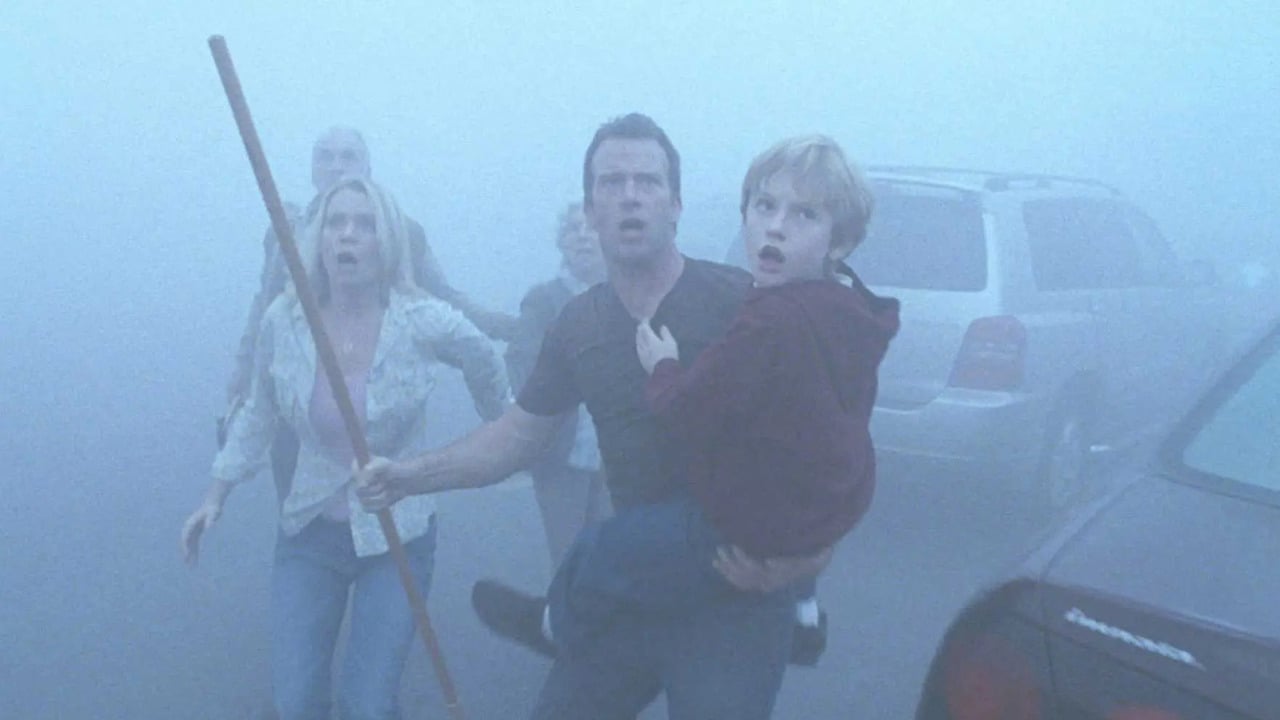
Flanagan’s success stems from his ability to prioritize character psychology over jump scares. In The Mist, the monsters—the tentacled behemoths, the giant insects, the prehistoric flying beasts—are merely the catalyst. The real horror, as King penned and Darabont illustrated, is the descent into religious fundamentalism and xenophobia within the store’s walls. If Flanagan’s past work is any indication, we can expect a version that leans heavily into the claustrophobia of the human condition, perhaps exploring the isolation and paranoia of our post-pandemic world with even more surgical precision.
Official Responses and Industry Implications
The industry response to this development has been largely positive, fueled by a collective trust in Flanagan’s stewardship. Warner Bros. is banking on the "Flanagan brand" to elevate what might otherwise be viewed as a redundant remake into a "must-watch" event.
By diversifying his output—balancing the upcoming Carrie series on Prime Video (set to premiere October 7th) with the development of The Mist—Flanagan is effectively becoming the primary architect of the "King-verse" in Hollywood. This has significant implications for how studios approach legacy properties. Rather than relying on nostalgia-baiting reboots, the current trend favors bringing in visionary directors who have a distinct, personal thesis to test against the original text.
The Implications: What Should Fans Expect?
As we look toward the future of The Mist, fans should prepare for a tonal pivot. While Darabont’s vision was one of bleak, uncompromising nihilism, Flanagan’s work often features a glimmer of melancholic hope or, at the very least, a deep empathy for his characters.
Will Flanagan mirror the shocking, polarizing ending of the 2007 film, or will he pivot back to the open-ended uncertainty of King’s novella? While the filmmaker is keeping his cards close to his chest, his emphasis on a "different path" suggests that he is not interested in mimicking the beats that audiences have already memorized.
Furthermore, the integration of modern digital effects technology, compared to the mostly practical effects of 2007, will undoubtedly change the visual language of the mist itself. In the hands of a director who understands the power of shadow and silence, the creature designs may move from "monstrous" to "existential," mirroring the psychological breakdown of the protagonists.
Conclusion: A New Dawn for the Fog
The announcement of Mike Flanagan’s The Mist is a reminder that the stories we love are living, breathing entities. They can be revisited, re-interpreted, and re-imagined without diminishing their original impact. By engaging directly with Stephen King and acknowledging the weight of Frank Darabont’s legacy, Flanagan is approaching this project with the necessary reverence and the requisite ambition.
As the script nears completion this Halloween, the horror community waits with bated breath. Whether it will be a terrifying new entry in the genre or a polarizing departure, one thing is certain: the mist is rolling in once again, and it will be unlike anything we have seen before. For those who fear the unknown, the next few years promise to be an exercise in patience and, perhaps, a masterclass in how to breathe new life into an old nightmare.