Hollywood Titans Enter the Vertical Arena: Inside the High-Stakes Launch of aTwist

The landscape of digital entertainment is undergoing a seismic shift as a trio of Hollywood’s most seasoned executives officially enters the burgeoning "microdrama" market. On Thursday, aTwist—a platform designed to bridge the gap between high-production-value television and the rapid-fire, addictive nature of vertical mobile video—debuted in the United States and seven international territories.
Led by industry veterans Jana Winograde, Susan Rovner, and Lloyd Braun, aTwist represents a strategic bet that the "verticals" format, currently dominated by low-budget, algorithmically driven romance content, is ready for a professionalized evolution. By marrying the narrative rigor of traditional television with the binge-friendly pacing of mobile apps, the platform aims to capture a generation of viewers accustomed to consuming stories in sixty-second increments.
The Genesis of aTwist: From "MicroCo" to Global Launch
The journey to the launch of aTwist has been a methodical, multi-year process. The venture was first unveiled in 2025 under the placeholder name "MicroCo," a title that masked the ambitions of its founders.
Winograde, the former president of Showtime; Rovner, who served as chairman of entertainment content at NBCUniversal Television and Streaming; and Braun, the former chairman of WME, brought to the table decades of experience in navigating the transition from linear cable to the streaming wars. Recognizing that the "vertical" format was effectively the new frontier of audience engagement, they sought to build a platform that treated short-form content not as an afterthought, but as a primary creative pillar.
Following their initial announcement, the team spent the intervening months aggressively securing partnerships and intellectual property. The strategy was clear: rather than relying solely on viral trends, aTwist would leverage the creative infrastructure of Hollywood. This culminated in a high-profile creative partnership with Kevin Hart’s production company, Hartbeat, which agreed to bring its entire library of microseries to the platform. Furthermore, the company successfully negotiated a deal with BET to co-develop and distribute content, and a unique marketing pact with National CineMedia to showcase aTwist trailers in movie theaters nationwide—a move designed to lure traditional cinemagoers into the mobile ecosystem.
A Genre-Bending Slate: Breaking the Romance Monopoly
While the microdrama space has been historically saturated with repetitive "billionaire romance" tropes, aTwist’s inaugural slate of ten original series demonstrates a clear intent to diversify. The platform is betting that by offering horror, animation, and high-concept comedy, it can retain a broader demographic of viewers who might otherwise grow weary of the genre’s current limitations.
The Inaugural Lineup Highlights
- Cash Out: A departure from scripted tropes, this unscripted series follows a woman attempting to rebuild her life after a painful breakup. The platform provides her with $50,000 to spend in Las Vegas alongside her two best friends, capturing the raw, unpredictable nature of real-life emotional catharsis.
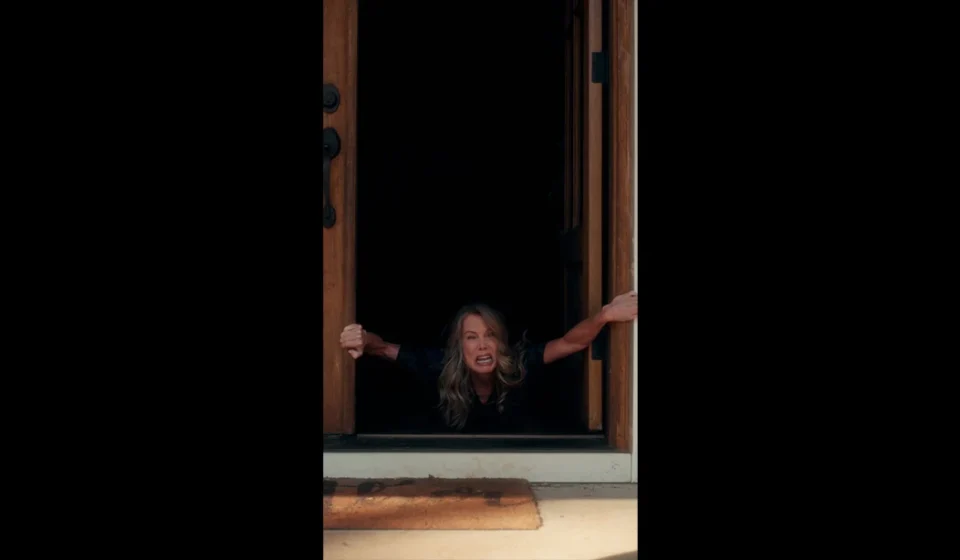
- Something Is Alive in My Attic & Strangers, A Plane and a Deadly Game: These two horror titles leverage the jump-scare efficiency of vertical video, proving that the format is well-suited for tension-building.
- I Fell in Love With the Dragon Prince: An animated venture that blends fantasy and romance, signaling the platform’s interest in reaching the massive global audience for serialized animation.
- My Billionaire Kidney: A sharp, meta-commentary on the industry itself. Produced by Jonathan Stern of Abominable Pictures (Childrens Hospital), this spoof tackles the very tropes that defined the microdrama genre. Its logline—"A down-on-her-luck Cinderella-type becomes a pawn to her evil aunt and uncle and multiple absurdly powerful men as they fight for her kidney"—is a self-aware nod to the extreme, often melodramatic plots that characterize the platform’s competitors.
- Hollywood Starlet: Created by soap opera legend Bradley Bell, this series serves as a bridge between the traditional daytime drama and the mobile-first era. It follows a cleaner and aspiring actor who finds herself thrust into the limelight after attracting the romantic attentions of a household-name star.
The Economics of Consumption: Coins, Ads, and Subscriptions
The business model for aTwist is designed to balance accessibility with profitability. By adopting a "freemium" structure, the platform ensures that its content has the lowest possible barrier to entry. Users can sample episodes for free, supported by ad breaks, or they can opt into a more seamless viewing experience.
The platform utilizes a "coin" system—a virtual currency that has become the industry standard for vertical apps. Viewers can purchase coins to unlock entire series in a single sitting, catering to the "binge-watching" behavior that has defined modern television consumption. Alternatively, a traditional subscription tier offers a predictable, recurring revenue stream for the company, ensuring long-term financial stability.
New content is scheduled to drop every Thursday, a tactical decision meant to build a "water cooler" moment for the app. By creating a consistent cadence of releases, aTwist hopes to foster a dedicated community of users who return to the platform weekly, much like the traditional primetime schedule of the television era.
Strategic Implications: Can Professionalism Scale?
The entry of aTwist into the marketplace poses a critical question for the entertainment industry: Can high-quality, professional storytelling compete with the grassroots, creator-driven content that currently dominates platforms like TikTok and various dedicated short-form apps?
The implications are twofold. First, the move validates microdrama as a legitimate, professionalized format. For years, the sector was viewed as an outlier—profitable, perhaps, but lacking in prestige. By involving veterans like Rovner and Winograde, the industry is signaling that it considers vertical video a serious destination for top-tier writing and acting talent.
Second, the platform’s reliance on established Hollywood names—such as Bradley Bell and Jonathan Stern—suggests that the "prestige" model is being applied to the mobile screen. If these creators can successfully translate their experience in long-form television to the constraints of a smartphone screen, they may permanently alter audience expectations. Viewers may soon demand the same production quality in a three-minute episode as they do in a sixty-minute pilot.
Looking Ahead: The Future of the Vertical Format
As aTwist begins its global rollout, the founders face the challenge of scale. The platform must contend with massive incumbent players while simultaneously educating an audience that has yet to fully embrace the paid-content model for short-form video.
However, the aggressive nature of their partnerships suggests that the team is thinking beyond the app itself. Through the BET partnership and the National CineMedia deal, aTwist is positioning itself as a cross-platform brand rather than just a standalone mobile tool. By meeting the audience where they are—whether in a movie theater or on a social media feed—aTwist aims to integrate itself into the daily digital habits of millions.
The success of this venture will be measured not just by download numbers, but by the ability to sustain creative interest. If the platform can continue to attract high-caliber writers and directors who are willing to experiment with the format, aTwist could very well become the "Netflix of the mobile age."
For now, the industry is watching closely. The era of the microdrama has arrived, and with the backing of Hollywood’s elite, it is no longer just a trend—it is a new, permanent chapter in the evolution of visual storytelling. Whether the audience is ready to pay for that evolution remains the multi-million dollar question, but one thing is certain: the screen in your pocket has never looked quite this cinematic.