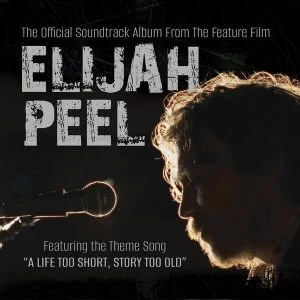
From Stadiums to Salvation: The Musical and Cinematic Journey of ‘Elijah Peel’

The intersection of faith, fame, and the fragile nature of human existence takes center stage in the upcoming drama Elijah Peel. As the film prepares for its national theatrical release on August 14, courtesy of eKKL Entertainment, Harris Sepe Films has pulled back the curtain on the project’s heartbeat: its soundtrack.
More than just a collection of songs, the album serves as the emotional backbone of a narrative that explores the radical transformation of a man who once had the world at his feet, only to find his true purpose in the shadow of a terminal illness. With original music penned by Kevin D. Sepe and performed by lead actor Robert Malcolm Cumming, the soundtrack captures the grit of rock-and-roll stardom and the quietude of spiritual awakening.
Main Facts: A New Chapter in Faith-Based Cinema
Elijah Peel is a collaborative directorial effort by Nathan Ross Murphy and Kevin D. Sepe. The film boasts a notable ensemble cast, featuring Robert Malcolm Cumming in the titular role alongside Evelyn Grace Kite, April Billingsley, Princess Elmore, and industry veteran Kevin Sorbo.
The plot centers on the turbulent life of a stadium-filling rock star—Elijah Peel—whose high-octane lifestyle of fame, excess, and addiction is abruptly silenced by a life-threatening heart attack. The incident serves as a catalyst for a journey toward redemption, catalyzed by an unlikely friendship with a nine-year-old girl battling a terminal diagnosis.
To anchor this emotional arc, the production team prioritized an authentic musical experience. The soundtrack, now available on Amazon and all major digital music platforms, features 14 tracks that mirror the protagonist’s descent and eventual rebirth. The lead single, "A Life Too Short, Story Too Old," encapsulates the film’s central theme: the urgency of living a life of significance before time runs out.
Chronology: From Concept to Cinema
The journey of Elijah Peel began with a vision to marry the visceral energy of rock music with the nuanced storytelling of faith-based drama. Kevin D. Sepe, acting as both co-director and composer, spent months crafting a sonic landscape that felt grounded in the reality of a musician’s life.
Following the completion of the screenplay, casting began, with Robert Malcolm Cumming securing the lead. Cumming’s dual role as both actor and vocalist was a strategic choice by the production; by having the star perform the tracks, the filmmakers ensured a seamless transition between the dialogue-heavy scenes and the musical performances.
The production cycle concluded in early 2026, with post-production focusing heavily on the integration of the musical score. As the August 14 release date approached, Harris Sepe Films moved to release the soundtrack to generate pre-release buzz, a strategy often reserved for major studio musicals, signaling the confidence the team has in the emotional impact of the songs.
Supporting Data: A Breakdown of the Soundtrack
The soundtrack is a diverse collection of tracks that track the evolution of the main character. The following track list provides insight into the narrative beats:
- "River Deep" – Robert Malcolm Cumming (4:57)
- "Ordinary Love" – Robert Malcolm Cumming (1:41)
- "A Life Too Short, Story Too Old" – Robert Malcolm Cumming (4:36)
- "Investigate Me" – Robert Malcolm Cumming (3:39)
- "The Church Is Right Here" – Robert Malcolm Cumming (1:31)
- "Follow Me" – Robert Malcolm Cumming (2:21)
- "Singing in the Car" – Kevin D. Sepe (4:17)
- "Can You Feel It" – Robert Malcolm Cumming (3:23)
- "See What I See" – Kevin D. Sepe (3:28)
- "Give It a Go" – Kevin D. Sepe (2:47)
- "The Wild Ones" – Kevin D. Sepe (3:29)
- "Everything’s Not Alright" – Kevin D. Sepe (2:33)
- "Never Cry Alone" – Emilio Martinez Jr. (1:50)
- "God’s Work Ain’t Done" – Kevin D. Sepe (4:24)
The transition from the more aggressive, rock-oriented tracks performed by Cumming to the more contemplative, songwriter-driven tracks by Sepe represents the shift from Peel’s external life of fame to his internal life of introspection.
Official Responses and Creative Vision
The creative team behind Elijah Peel has consistently highlighted the film’s intent to bridge the gap between "secular" rock culture and "sacred" faith narratives. In official statements accompanying the release of the music videos, the directors noted that the film is designed for audiences who might not typically gravitate toward faith-based content, using the universal language of music to reach them.
"The music is the soul of this film," Kevin D. Sepe remarked in a recent promotional briefing. "We wanted to ensure that when Elijah Peel is on stage, you believe he is a rock star. And when he is in his quietest moments, you believe he is a man seeking answers. Robert’s ability to bridge that gap vocally was the missing piece of the puzzle."
The inclusion of Kevin Sorbo—a staple in the faith-based genre—adds a layer of credibility for the film’s target demographic, while the presence of emerging talents like Evelyn Grace Kite ensures the film remains accessible to a younger audience.
Implications: The Future of Faith-Based Music and Drama
The release of Elijah Peel occurs at a pivotal moment for faith-based cinema. As the genre continues to mature, moving away from didactic storytelling and toward more character-driven, emotionally complex narratives, the role of high-production-value soundtracks has become increasingly vital.
Bridging the Crossover Gap
For decades, the "crossover" success of faith-based films was elusive. However, recent trends suggest that audiences are responding more favorably to films that treat faith as a natural, sometimes messy part of life rather than a sudden, clean resolution. Elijah Peel attempts to capitalize on this by framing the protagonist’s conversion not as a sudden epiphany, but as a long, arduous process initiated by trauma and guided by a child’s wisdom.
The Role of Independent Distribution
By partnering with eKKL Entertainment, Harris Sepe Films is positioning the project to reach a wide theatrical footprint. This is a significant undertaking for an independent production, suggesting that the film’s distributors believe the musical element—and the "rock star" hook—will provide the necessary leverage to attract audiences during the late-summer box office season.
The Power of Multimedia Marketing
The simultaneous rollout of the soundtrack, music videos, and the feature film trailer reflects a modern approach to indie filmmaking. By providing multiple entry points for the audience—whether they discover the film through a music streaming platform, a YouTube music video, or a traditional theatrical trailer—the filmmakers are maximizing their reach. This integrated marketing strategy is likely to become the standard for independent films that rely on music to tell their stories.
Concluding Thoughts
As August 14 nears, Elijah Peel stands as a testament to the idea that redemption is rarely a quiet affair. It is often loud, messy, and deeply emotional. Through the synergy of its soundtrack and its narrative arc, the film invites viewers to consider their own "stadium moments" and the smaller, quieter instances that ultimately define their lives.
Whether one is drawn to the film for its musical pedigree or its promise of a transformative story, Elijah Peel is poised to make a distinct impression in the 2026 film landscape. With the music already circulating and the theatrical premiere just weeks away, the stage is set for audiences to experience the journey of a rock star who had to lose his life to truly find it.
For those eager to get a preview of the film’s tone, the music video for "A Life Too Short, Story Too Old" serves as a poignant introduction to the themes of loss, memory, and grace. It is a visual and auditory invitation to a story that, while fictional, touches on truths that are universally resonant. As the lights go down in theaters this August, the question for many will be whether Elijah Peel’s journey will mirror their own—and if the soundtrack will provide the anthems for their own personal redemptions.