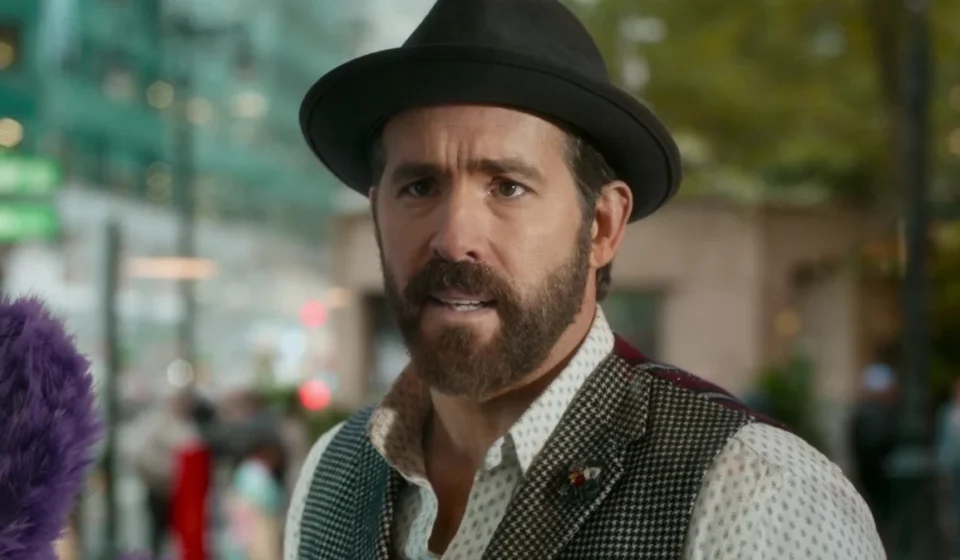

When John Krasinski moved from the terrifying silence of A Quiet Place to the whimsical, colorful world of IF, expectations were sky-high. With a star-studded cast led by Ryan Reynolds and a premise rooted in the universal childhood experience of imaginary friends, the film felt like a guaranteed hit. However, reality proved to be far more complicated. After a lukewarm theatrical run that left analysts questioning the project’s viability, IF has found a second life on streaming platforms, inviting a new wave of scrutiny regarding why this ambitious fantasy failed to capture the zeitgeist as intended.
Main Facts: The Anatomy of a Misfire
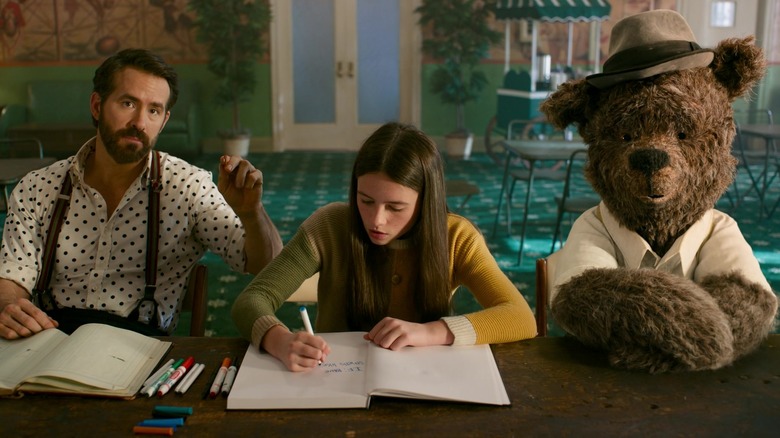
At its core, IF is a high-concept fantasy film centered on the titular "Imaginary Friends." The narrative follows Bea (Cailey Fleming), a young girl navigating the grief of her mother’s death and the impending heart surgery of her father (John Krasinski). Her world is turned upside down when she discovers she can see the "IFs"—the neglected, invisible companions abandoned by the children who created them. Alongside a cynical but well-meaning guide named Cal (Ryan Reynolds), Bea embarks on a mission to reconnect these creatures with their original creators.
Despite a budget of $110 million and a marketing campaign that seemed inescapable during the first half of 2024, the film grossed approximately $190 million worldwide. In the cold, unforgiving world of Hollywood studio accounting, a project costing over $100 million to produce—before accounting for the massive global marketing spend—typically needs to double or triple its production budget to break even. By these metrics, IF was a financial disappointment, representing a rare stumble for Krasinski, who had previously enjoyed a golden run as a director with the A Quiet Place franchise.
A Chronology of Expectation and Disappointment
The trajectory of IF can be mapped through the evolution of audience sentiment, starting from its announcement.
Pre-Production and Hype (2022–2023):
John Krasinski’s transition from horror-thriller master to family-friendly fantasy director was viewed as a bold career pivot. The inclusion of Ryan Reynolds—a box-office titan in his own right—suggested that Paramount had a "four-quadrant" hit on its hands.
The Marketing Blitz (Early 2024):
For months leading up to its release, the trailer for IF became a permanent fixture in multiplexes. It was strategically designed to appeal to both children and adults, leaning heavily on the "star power" of its voice cast. Viewers were bombarded with glimpses of Steve Carell as Blue, Phoebe Waller-Bridge as Blossom, and a host of other A-listers including Bradley Cooper, George Clooney, and Matt Damon.
The Theatrical Opening (May 2024):
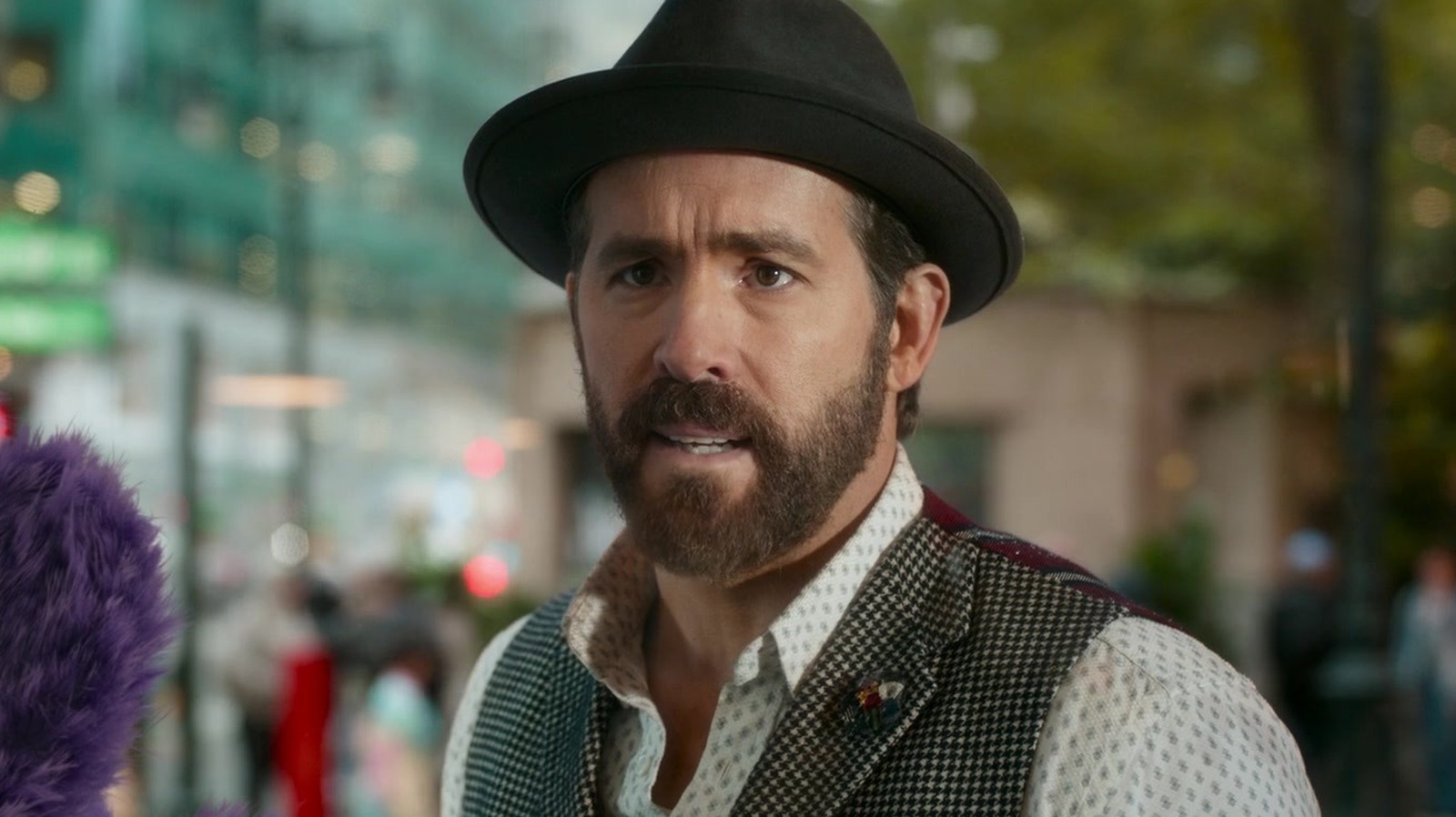
The film debuted to a tepid reception. Critics were largely split, and general audiences didn’t show up in the numbers required to justify the massive production cost. Word-of-mouth was lukewarm, with many viewers noting that the film’s tone felt disjointed.
The Streaming Pivot (Late 2024):
Following its lackluster theatrical performance, IF moved to Paramount+ and Netflix. This transition is typical for mid-budget and high-budget films that fail to find a footing in theaters, providing an opportunity for the film to reach the family demographic that might have been deterred by ticket prices or conflicting reviews.
Supporting Data: The Voice Cast and Creative Influences
One of the most curious aspects of IF is the sheer volume of celebrity cameos. It is a testament to Krasinski’s industry standing that he secured such a dense roster of talent. From Louis Gossett, Jr. as a teddy bear to Christopher Meloni’s humorous meta-commentary on his Law & Order: SVU persona, the movie is stuffed with familiar voices.
However, this "slumming celebrity" approach—a term often used when high-profile stars lend their voices to animated or CGI-heavy projects—did little to move the needle. Data suggests that modern audiences are less swayed by star-studded voice casts than they were in the early 2000s, especially when the emotional core of the film feels derivative.
Comparisons have been drawn to several foundational texts in the "imaginary friend" genre:
- "Drop Dead Fred" (1991): The primary inspiration for the concept of invisible friends affecting the lives of adults.
- "Foster’s Home for Imaginary Friends" (2004): A Cartoon Network classic that already perfected the "halfway house for abandoned friends" trope.
- "Inside Out" (2015): Pixar’s masterpiece that handled the concept of "fading memories" and childhood imagination with a narrative depth that IF struggled to match.
Official Responses and Critical Analysis
The critical consensus was far from glowing, with the film currently holding a 50% approval rating on Rotten Tomatoes. The critique of IF generally falls into two camps: the "derivative" argument and the "tone" argument.
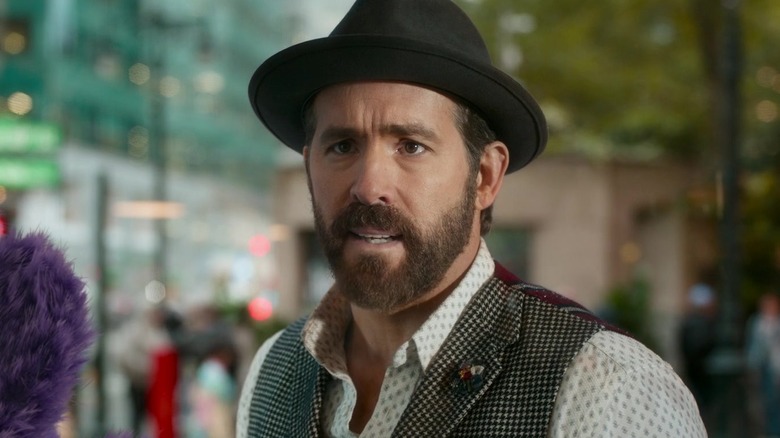
Critics like Udita Jhunjhunwala pointed out that while the film aims for the heights of Pixar-style emotional resonance, it lacks the "playfulness" necessary to make the message land. The A.V. Club’s Anna McKibbin offered a harsher critique, suggesting that the film is "an unimaginative take on children’s imagination."
The most damning critique, however, centers on the film’s identity crisis. By casting Ryan Reynolds—an actor synonymous with sharp, cynical, R-rated comedy—in a whimsical, sentimental story, the film created a cognitive dissonance for viewers. The "lugubrious pace," as described by some reviewers, prevented the film from settling into either a zany comedy or a heartfelt drama.
The Broader Implications for Hollywood
The failure of IF carries several lessons for the film industry:
1. The Death of the "Mid-Budget" Spectacle
IF occupies an awkward space. It isn’t a small indie film, nor is it a massive superhero franchise tentpole. With a $110 million budget, it was priced like a blockbuster but lacked the high-stakes narrative urgency that usually drives opening-weekend box office numbers. In an era where audiences are increasingly selective, "whimsical family fantasy" is a harder sell than it used to be.
2. The Pixar Shadow
John Krasinski attempted to craft a live-action Pixar film, but he inadvertently invited direct comparisons to the best in the business. When audiences see a film about "imaginary friends" and "growing up," they expect the narrative sophistication and technical polish of Toy Story or Inside Out. By falling short of those standards, IF left audiences feeling that they had seen a "lesser version" of a familiar story.
3. The Streaming Re-evaluation
Now that IF is available on Netflix and Paramount+, it has the chance to find a cult audience. Streaming services often provide a more forgiving environment for films with "mixed" reviews. Without the pressure of box office revenue, parents looking for something to put on for their children may find the film’s flaws easier to overlook. It is entirely possible that, in a few years, IF will be viewed as an underrated gem rather than a theatrical bomb.
4. The Challenges of Star Power
The project reinforces a growing trend: star power alone does not guarantee a successful opening. While having an ensemble of Bradley Cooper, George Clooney, and Matt Damon is a great talking point for a press tour, it does not compensate for a script that feels "messy" or "unfocused."
Final Reflections
Ultimately, IF remains a noble, if flawed, experiment. It is clear that John Krasinski possessed a genuine affection for the material, aiming to create a piece of art that reflected the nostalgia and tragedy of losing one’s childhood. While the execution may have stumbled, the attempt to blend high-concept fantasy with grounded, human grief is a project that deserved, if not a hit, then at least a conversation.
Whether you are a fan of Ryan Reynolds’ quick-witted charisma or simply curious about why this high-profile project didn’t hit the mark, IF is now available to be judged by the home audience. It stands as a reminder that in the fickle landscape of modern cinema, even the most well-intentioned films can struggle to find their place in the world.