Empowering the Next Generation: The Gotham EDU 2026 Cohort Set to Reshape the Media Landscape

In an era where the entertainment industry is undergoing a seismic shift—driven by technological disruption, changing consumption patterns, and a renewed mandate for diverse storytelling—the bridge between academic preparation and professional mastery has never been more critical. Today, The Gotham Film & Media Institute, the publisher of Filmmaker, has officially announced the 2026 cohort for its prestigious EDU Film and Media Career Development Program.
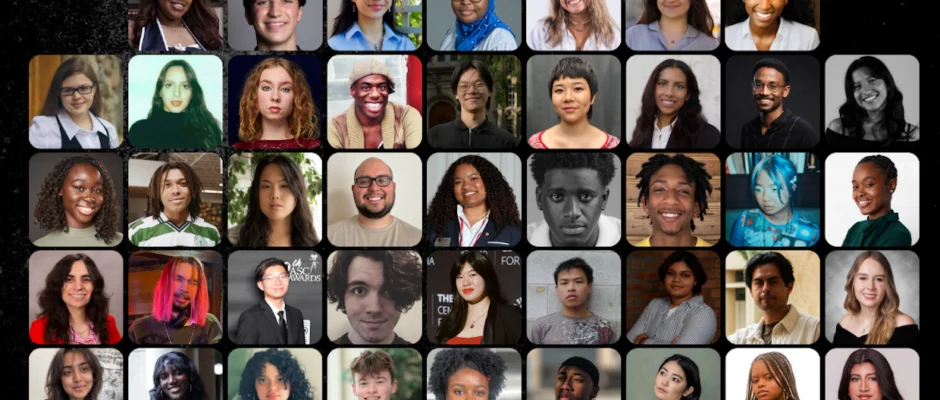
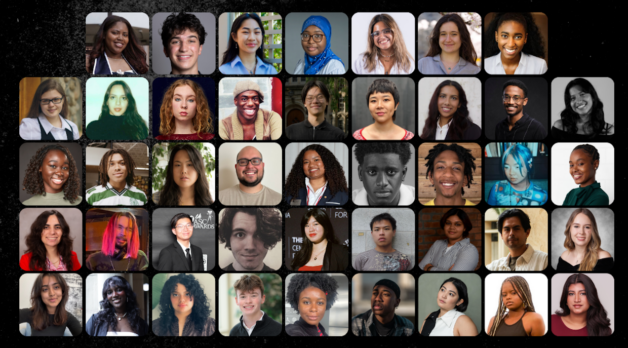
This eight-week virtual incubator, now in its eighth year, stands as a premier gateway for 43 of the most promising college students from across the United States. Designed to demystify the inner workings of the film, television, and media industries, the program offers an intensive curriculum rooted in mentorship, curated industry panels, and hands-on pitch feedback. By providing a direct pipeline between emerging talent and established power players, The Gotham continues to solidify its role as an indispensable architect of the next generation of creative and executive leadership.
The Pillars of the Program: A Strategic Curriculum
The Gotham EDU program is structured around six distinct career tracks, each meticulously crafted to align with the specific professional trajectories of its participants. This targeted approach ensures that students do not merely receive general advice but rather industry-specific guidance tailored to their chosen field.
- The Sidney Poitier Initiative (SPI) Track for Multi-Hyphenates: Dedicated to fostering talent that transcends traditional roles, this track supports creators who write, direct, and produce across disciplines.
- The Executive Leadership and Ambassador Track: Designed for the business-minded student, this track provides insight into studio operations, talent representation, and corporate strategy.
- The Television/Episodic Creator Track: Focused on the nuances of the small screen, this track covers the lifecycle of a series from writers’ room to production.
- The Documentary Filmmaker Track: A deep dive into the ethics, aesthetics, and logistics of non-fiction storytelling.
- The Narrative Filmmaker Track: Concentrates on the craft of feature-length storytelling and the intricacies of independent production.
- The Entrepreneurship in Media Track: A forward-looking curriculum that addresses the intersection of technology, venture capital, and content distribution.
By segregating the cohort into these specialized silos, The Gotham ensures that students can engage with experts who are currently shaping these specific niches. Past speakers and mentors have hailed from the upper echelons of the industry, including representatives from Netflix, MGM, MACRO, UTA, ColorCreative, NBCUniversal, Blumhouse, NEON, SFFILM, Kinema, and WILLA, among a host of independent producers and directors.
A Chronology of Growth: From Modest Beginnings to Industry Standard
The evolution of The Gotham EDU program is a testament to the growing demand for practical, industry-integrated education. Launched in 2020 during the height of the global pandemic, the program initially supported a pilot cohort of just 22 students. At a time when the industry was forced to pivot to virtual communication, The Gotham seized the opportunity to democratize access, breaking down geographical barriers that had previously excluded talented students outside of major production hubs like Los Angeles or New York.
By 2026, the program has grown to accommodate 43 students representing 31 diverse colleges and universities. The transition from a small, experimental initiative to a foundational industry institution has been marked by a steadfast commitment to inclusivity and excellence. The 2026 iteration, running from June 15 through August 6, represents the most diverse and highly vetted group to date.
Beyond the virtual classroom, the program now offers tangible real-world opportunities. Participants in the Executive Leadership and Ambassador Track, for instance, are granted the unique privilege of shadowing industry professionals at firms like Storm City Films. Furthermore, select students will be invited to participate in the upcoming Gotham Week (September 27 – October 3), providing them with a high-level networking environment that serves as the ultimate "final exam" for their career development.
The Financial Engine: Institutional and Philanthropic Support
The scalability and success of the Gotham EDU program are inextricably linked to the robust financial backing it receives. Operating as a nonprofit endeavor, the program provides full tuition for all 43 students, ensuring that financial barriers never preclude the most promising voices from participation.
This accessibility is made possible through a coalition of corporate, philanthropic, and institutional partners. Key backers for the 2026 edition include The Burke Family Foundation, NBCUniversal, Colgate University, and Yale University. Additionally, specific tracks receive targeted sponsorship; the SPI Track for Multi-Hyphenates is supported by the Sidney Poitier Initiative, while Joe and Christie Marchese have lent their support to the Entrepreneurship in Media track. This diverse funding model underscores a collective industry-wide recognition that the cost of entry into the media business is high, and that the sector has a vested interest in subsidizing the talent pipeline.
Official Perspectives: Shaping the Future of the Industry
The leadership at The Gotham views this program as more than a workshop; they see it as a mission-critical intervention. Kia Brooks, The Gotham’s Managing Director, emphasized the importance of clarity in an increasingly volatile industry. "Watching students arrive with a vision then leave with a real roadmap is what Gotham EDU is about," Brooks noted in a press statement. "For our eighth cohort, one of the most diverse and driven we’ve seen, we’ve built tracks that reflect where the industry is actually heading. We can’t wait to see this group learn, connect, and elevate their careers."
Jeffrey Sharp, The Gotham’s Executive Director, echoed this sentiment, highlighting the "unfiltered" nature of the instruction as the program’s primary value proposition. "What keeps this program vital is the honesty and practicality of these resources—students get unfiltered access to professionals who tell them what the work really looks like," Sharp said. "We’re proud of the incredible growth of the Gotham EDU Film and Media Career Development Program and the impact it continues to make on future leaders of the entertainment industry."
Implications for the Media Landscape
The implications of the Gotham EDU program extend far beyond the success of the 43 individual students. By equipping a new generation of creators and executives with a clear understanding of the industry’s economic and creative mechanics, The Gotham is essentially engaging in long-term workforce development.
In an industry currently grappling with the challenges of AI integration, labor disputes, and the consolidation of streaming platforms, the need for "honest and practical" guidance is paramount. Graduates of the Gotham EDU program enter the workforce not only with technical skills but with an understanding of how to navigate corporate structures, secure financing, and advocate for their creative vision.
As these students fan out into the industry, they carry with them the network and the ethical framework established during their eight weeks in the program. Whether they become the next generation of showrunners at NBCUniversal or independent entrepreneurs leveraging new distribution models, their professional trajectories will be indelibly marked by their time at The Gotham.
The 2026 Cohort: Meet the Future
The 2026 class represents a wide geographic and academic spectrum, bringing together students from institutions as varied as Howard University, Chapman University, Rutgers, and New Mexico State University.
Executive Ambassador Track: Ayana Ahuja (Brown), Layla Santana (St. John’s), Sierra Bleu Bivins (Emerson).
Executive Leadership Track: Ashley Dunbar (Colgate), Ava Maire Mc Dermott (Pace), Avantika Matele (Princeton), Gabriela Acensio (Oglethorpe), Nil Mira Celik (American University).
Narrative Filmmaker Track: Chenjun Gao (Yale), Eduardo Diaz Sandoval (New Mexico State), Kai Tomizawa (NYU), Lynn Nguyen (Brown), Nicholas Diodato (Rutgers), Tramaine Raphael Gray (CalArts), Will Beere (Colgate).
SPI Track for Multi-Hyphenates: Amber Dhall (NYU), Brian Wade (Feirstein Graduate School of Cinema), Chiamaka Okafor (UConn), Ganiah Lucinda Bracy (Washington & Jefferson), Grant Fortune (Howard), Isabella Maaliki (NYU), Mareme Fall (Vassar).
Entrepreneurship in Media Track: Aric Julian Lopez (USC), Dominique de Castro (Columbia), Kyara Gandara (San Diego State), Mary Moussa (Hunter), Saifeddine Lahmar (Northwestern), Xavier Peng (Chapman).
Television/Episodic Creator Track: Amy B. Tiong (Northwestern), Essence Jackson (Howard), Haley Sakamoto (Stonybrook), Kahley Burwell (LMU), Nathaniel Kron (Colgate), Nicole Viloria (Yale), Trish Owyang (Columbia College Chicago).
Documentary Filmmaker Track: Alexus Anderson (Georgia State), Alice Adriana Estrada (Tufts), Christian Lee (UCLA), Edward Nguyen (Yale), Joshua Jones (Colgate), Kg Giroux (NYU), Logan R. St Hilaire (Ohio State), Toby Nicholson (Colgate).
As these students embark on their eight-week journey, the eyes of the industry are watching. The Gotham EDU 2026 cohort is not just a list of names; it is a snapshot of the future—a future that is more diverse, more technically literate, and more strategically prepared than ever before.