Echoes of Memory: Yaffle’s Atmospheric Score for ‘We Are Aliens’ Released by Milan Records

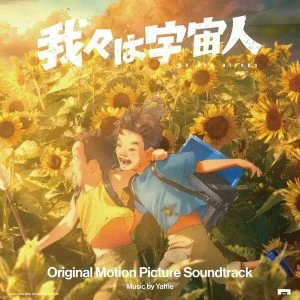
September 29, 2026 – In a move that has captured the attention of both the global animation community and connoisseurs of contemporary film scoring, Milan Records has officially released the original motion picture soundtrack for the critically acclaimed Japanese-French co-production, We Are Aliens. Composed by the multifaceted Japanese producer and composer Yaffle (the artistic alias of Youki Kojima), the score serves as the sonic backbone for director Kohei Kadowaki’s poignant exploration of nostalgia, fractured friendships, and the passage of time.
The release arrives hot on the heels of the film’s domestic theatrical opening in Japan and follows a triumphant festival run that included prestigious screenings at the Cannes Directors’ Fortnight and the Annecy International Animation Film Festival. As the world waits for news of an international release, the availability of Yaffle’s evocative score provides a haunting, standalone entry point into the film’s complex emotional landscape.
The Intersection of Memory and Sound: An Overview
We Are Aliens is not merely an animation; it is a profound character study that spans three decades. Written and directed by Kohei Kadowaki, the film weaves the story of two inseparable elementary school friends who, through the cruel attrition of life and circumstance, find themselves estranged. The narrative arc forces a reunion in their adult years, a confrontation that serves as the catalyst for unearthing thirty years of suppressed trauma, forgotten childhood pacts, and the lingering, often painful, "unforgettable feelings" that define the human experience.
Yaffle, known for his work on A Strange House and Character, has cultivated a reputation for blending modern electronic textures with organic, melancholic instrumentation. For We Are Aliens, he leans into a minimalist, ethereal soundscape that mirrors the film’s title—suggesting both the literal isolation of the characters and the metaphorical sense of feeling like an "alien" in one’s own life as they grow older.
The soundtrack is now available across all major streaming platforms and digital storefronts, including Amazon, allowing audiences to immerse themselves in the 29-track collection that punctuates the protagonists’ arduous journey.
A Chronology of the Project
The road to We Are Aliens began in the development offices of Tokyo’s independent animation scene, with Kohei Kadowaki envisioning a story that bridged the gap between the vibrancy of childhood and the muted, complex realities of adulthood.
- Pre-Production and Concept (2024): Kadowaki began assembling his team, seeking a composer who could capture the specific "weight" of Japanese suburban nostalgia. Yaffle was brought on board early in the process, allowing the music to influence the animation’s pacing rather than merely reacting to it.
- Production Phase (2025): Throughout the long animation process, Yaffle worked closely with Kadowaki to define the "sound of memory." Recording sessions were reportedly conducted in both Tokyo and Paris, reflecting the film’s international co-production status.
- Festival Circuit (Spring/Summer 2026): The film made its international debut at the Cannes Directors’ Fortnight, where it was lauded for its visual style and emotional depth. The soundtrack began to generate buzz among industry insiders during its subsequent screening at the Annecy International Animation Film Festival.
- Theatrical Release (September 2026): The film opened in Japanese cinemas to strong word-of-mouth. The soundtrack release follows this momentum, serving as a companion piece for those who have already experienced the film, and a mood-setter for those awaiting a broader global release.
Deconstructing the Score: Supporting Data and Composition
The soundtrack for We Are Aliens is a testament to the power of economy in film music. Spanning 29 tracks, the album avoids the bombast typical of modern blockbuster scores, opting instead for short, precise vignettes that emphasize character interiority.
Thematic Elements
Yaffle utilizes a distinct sonic palette—soft, dampened piano chords, granular synthesis, and reverberant strings—to signify the "past" versus the "present." Tracks such as “Buddies That Summer” evoke a sense of warmth and expansive potential, while pieces like “I Don’t Know You Anymore” and “Tsubasa Won’t Look at Me” introduce jagged, dissonant electronic pulses that represent the breakdown of the central friendship.
Track List Breakdown
The structural progression of the album mirrors the emotional volatility of the film:
- The "Childhood" Suite: Tracks 1–3 (“A Beautiful Beginning,” “An Encounter,” “Buddies That Summer”) establish a melodic, innocent tone.
- The "Dissonance" Suite: Tracks 9–12 (“I Don’t Know You Anymore,” “Better Friends,” “Tsubasa on the Run,” “No One Stays a Child”) represent the pivotal drift.
- The "Climax": The final tracks, culminating in the title track “We Are Aliens” (4:18), resolve the tension, providing a cathartic, albeit bittersweet, emotional release.
The variation in track length is particularly noteworthy. With many tracks clocking in at under one minute, Yaffle forces the listener into the fragmented nature of the protagonists’ memories—flashes of insight that are as fleeting as they are impactful.
Official Responses and Creative Intent
In a rare statement regarding the collaborative process, director Kohei Kadowaki emphasized the necessity of Yaffle’s contribution to the film’s thematic success.
"The script deals with the idea of being an ‘alien’—not in the sci-fi sense, but in the way we look at our younger selves as strangers," Kadowaki noted. "Yaffle understood that the music couldn’t just be ‘sad’ or ‘happy.’ It had to be confusing. It had to sound like the static of a television left on in an empty room, mixed with the warmth of a childhood home. He gave the film its heartbeat."
Yaffle himself has described the project as one of his most challenging, noting that the constraint of the 30-year narrative required a sophisticated approach to musical aging. "We wanted the listener to feel the characters growing older without the music becoming dated," Yaffle remarked. "The ‘Aliens’ in the title are the versions of ourselves we leave behind. The music is the bridge back to those people."
Voice actors Ryōta Bandō and Amane Okayama have also praised the score for its ability to guide their performances, noting that the ambient cues provided during the recording booth sessions helped them tap into the specific, suffocating tension required for the film’s later, more harrowing scenes.
Implications: The Global Future of We Are Aliens
The release of this soundtrack by Milan Records is a significant indicator of the film’s international ambitions. Milan Records, a subsidiary of Sony Masterworks, is known for championing high-concept, avant-garde, and culturally significant film scores. By placing We Are Aliens in their catalog, the film joins a prestigious list of international cinema that bridges the gap between domestic art-house success and global distribution.
The "Cannes Effect"
The film’s success at Cannes and Annecy has set a high bar for its domestic performance. However, the lack of an immediate "domestic" (North American/European) release date has left fans in a state of speculative anticipation. The soundtrack release serves as a strategic placeholder, building an audience for the film before it even hits international screens.
The Future of Animated Drama
We Are Aliens signals a shift in the animation industry away from pure fantasy toward grounded, character-driven dramas. The success of this project—both in its visual narrative and its sophisticated, non-traditional score—suggests a growing appetite for mature, live-action-style storytelling within the animated medium. Should We Are Aliens find success in Western markets, it could pave the way for a new wave of adult-oriented animated dramas that prioritize emotional nuance over spectacle.
As of today, the soundtrack serves as the primary artifact of the film’s success. For listeners, it offers an invitation to confront their own forgotten memories. For the industry, it is a reminder that in the right hands, a film’s score can be just as vital as its script, transforming a story about two friends into a universal meditation on the persistence of the past.
The soundtrack for We Are Aliens is available now via all major digital music services.