Beyond the Hero’s Journey: Why ‘The Trojan Women’ Is the Essential Companion to Christopher Nolan’s ‘The Odyssey’

In the wake of the overwhelming critical and commercial success of Christopher Nolan’s The Odyssey, a cinematic spectacle that has re-centered Homeric myth in the modern zeitgeist, audiences are finding themselves drawn back to the foundational texts of Western literature. Nolan’s adaptation—lauded as a triumph of scale and psychological depth—has reignited a global fascination with the aftermath of the Trojan War. However, while The Odyssey follows the long, perilous homecoming of a single warrior king, the true moral weight of the conflict lies in the ruins left behind. For viewers seeking the other side of this ancient narrative, the 1971 adaptation of Euripides’ The Trojan Women offers a harrowing, essential, and emotionally devastating counterpoint.
Main Facts: A Masterclass in Tragic Cinema
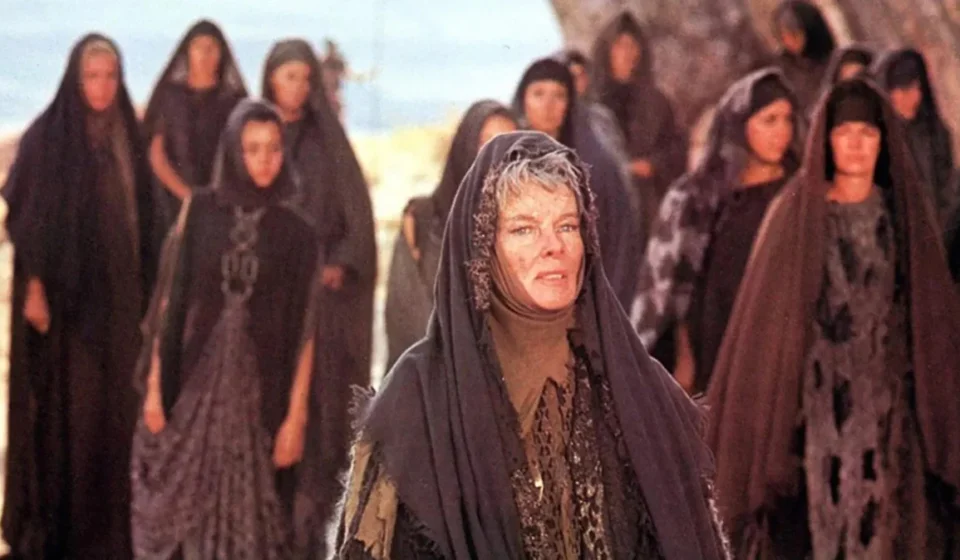
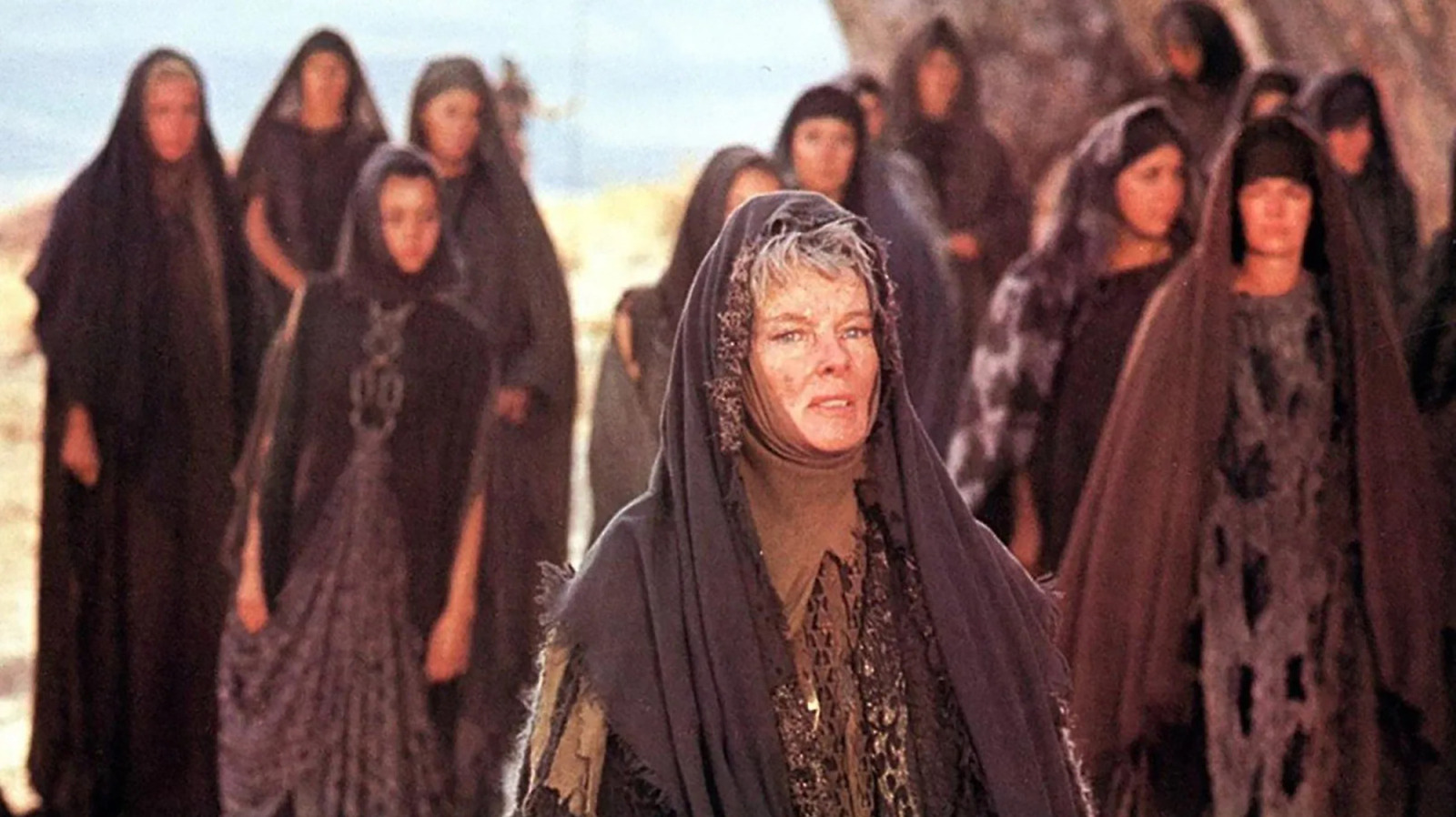
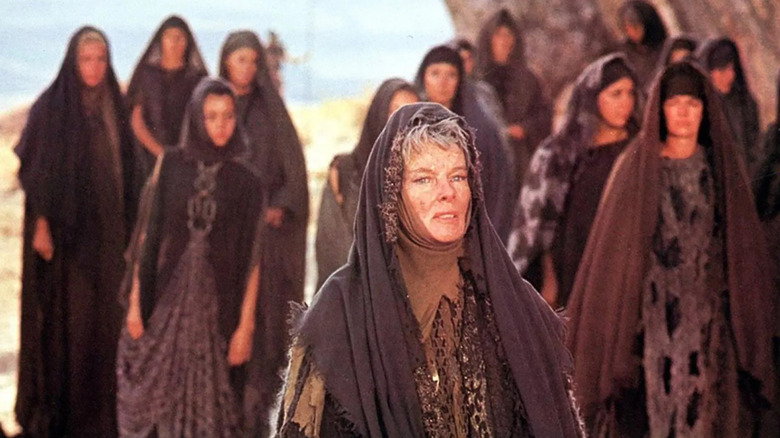
Directed by the visionary Greek-Cypriot filmmaker Michael Cacoyannis, The Trojan Women (1971) stands as a monumental piece of anti-war cinema. Adapting the 415 BC play by Euripides, the film strips away the romanticism often associated with the Trojan War, focusing exclusively on the perspective of the women of Troy in the immediate aftermath of their city’s total destruction.
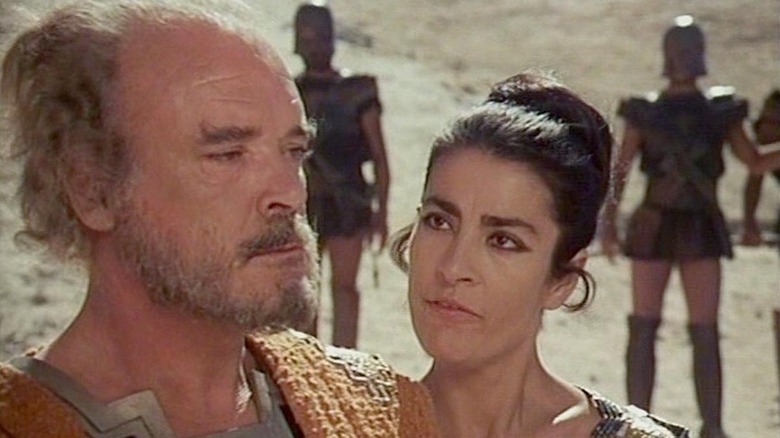
The film boasts an extraordinary ensemble cast that includes Katharine Hepburn as the mourning Queen Hecuba, Vanessa Redgrave as the doomed Andromache, Geneviève Bujold as the visionary Cassandra, and Irene Papas as the ambiguous Helen of Troy. Utilizing Edith Hamilton’s renowned translation, the film functions as a stark, presentational piece of theater captured on celluloid. It eschews the spectacle of combat for the suffocating reality of survival, depicting a world where the "heroic" victors are revealed to be the architects of a humanitarian catastrophe.
Chronology: From Ancient Stage to Modern Screen
To understand the weight of The Trojan Women, one must look at the timeline of its creation and its place within the broader Greek tragedy canon:
- 415 BC: Euripides writes and produces The Trojan Women during the Peloponnesian War. It serves as a scathing critique of the Athenian expedition to Melos, where the Athenians slaughtered the men and enslaved the women.
- 1962: Michael Cacoyannis begins his "Greek Tragedy" trilogy with Electra, setting the stage for his focus on classical themes.
- 1971: The feature film adaptation of The Trojan Women is released. It is a bold, uncompromising experiment in bringing high-classical drama to a global, English-speaking audience.
- 1977: Cacoyannis continues his work with the adaptation of Iphigenia, further solidifying the connection between the fates of these women.
- 2024–2025: Christopher Nolan’s The Odyssey releases, sparking a massive resurgence in interest regarding the "aftermath" of the Trojan cycle, leading audiences to rediscover the 1971 classic via platforms like Kanopy.
Supporting Data: The Anatomy of Grief
Critics and scholars often note that The Trojan Women is an exhausting experience, but as proponents of the film argue, this intensity is not a flaw—it is the point. When analyzing the film’s impact, three key elements emerge:
The Performance of Agony
The emotional labor displayed by the leads is staggering. Vanessa Redgrave’s performance as Andromache, particularly the sequence where she learns of her son’s impending execution, remains one of the most chilling depictions of maternal grief in cinematic history. It invites comparison to the modern, raw performances seen in films like Hamnet, grounding the high-register poetic dialogue in visceral human pain.
Casting as a Political Statement
Cacoyannis’ decision to cast A-list Hollywood icons like Katharine Hepburn in a Greek tragedy was a calculated move to universalize the suffering depicted on screen. By utilizing the star power of the era, the director ensured that the "warning" embedded in the play—that war is a cycle of destruction that spares no one—would reach the widest possible audience.
The Absence of the Divine
Unlike the original stage play, which often involved the presence of Greek deities to frame the action, the 1971 film removes the gods entirely. By doing so, Cacoyannis places the moral burden of the atrocities squarely on the shoulders of humanity. There is no divine intervention to save the women of Troy; there is only the cold, mechanical cruelty of the conquerors.
Official Responses and Critical Reception
Historically, The Trojan Women has faced a polarized critical reception. Upon its release, some critics dismissed the film’s "presentational" style, arguing that the dialogue felt too much like a stage play. However, modern film criticism has largely pivoted, identifying these critiques as rooted in a misunderstanding of the material’s intent.
Contemporary scholars point out that labeling the film’s emotional intensity as "shrewish" or "grating" is a form of gender-coded criticism. The film depicts the total erasure of a culture, the slaughter of children, and the systematic sexual violence against survivors. In this context, the "11-out-of-10" emotional intensity is not only justified but necessary. It serves as a mirror held up to the audience, demanding that they bear witness to the dehumanization that accompanies "glorious" conquest.
Implications: The Timeless Relevance of the Anti-War Narrative
The enduring power of The Trojan Women lies in its refusal to offer catharsis. While The Odyssey explores the return of the hero, The Trojan Women explores the permanent state of loss. This distinction is vital in our current political climate.
A Mirror to Global Conflict
The film’s closing dedication—"We who have made this film dedicate it to all those who fearlessly oppose the oppression of man by man"—resonates with haunting clarity today. As we observe ongoing conflicts in regions such as Ukraine, Sudan, Palestine, and beyond, the film reminds us that the civilian experience of war is one of absolute erasure. The women of Troy are not just characters in a myth; they are representative of the millions who, throughout history, have seen their homes, families, and futures incinerated by the ambitions of soldiers.
The Evolution of the Genre
The success of contemporary literature like Natalie Haynes’ A Thousand Ships and Pat Barker’s The Silence of the Girls proves that the modern audience is hungry for these "subaltern" perspectives. We are moving away from the singular focus on the "Great Man" of history and toward the lived experiences of those who were previously written into the margins. The Trojan Women serves as the spiritual progenitor of this literary and cinematic movement.
Accessibility in the Digital Age
The accessibility of this masterpiece has never been higher. Through services like Kanopy, which provides free access via public library and university credentials, the film is available to a new generation of students and cinephiles. Its availability ensures that the warning issued by Euripides nearly 2,500 years ago remains part of the public discourse.
Conclusion: Why You Should Watch It Next
If Christopher Nolan’s The Odyssey provided you with the thrill of adventure and the grandeur of epic storytelling, The Trojan Women will provide the necessary sobering reality. It is a film that demands your attention, not because it is "entertaining" in the traditional sense, but because it is vital. It forces us to acknowledge that for every odyssey that returns home, there are thousands of lives left in the ash.
By streaming The Trojan Women, you aren’t just watching a piece of historical cinema; you are engaging with a piece of human history that remains as urgent and heartbreaking today as it was in the time of Euripides. In a world that often celebrates the victor, this film stands as a permanent, powerful monument to the voices of those who were left behind.