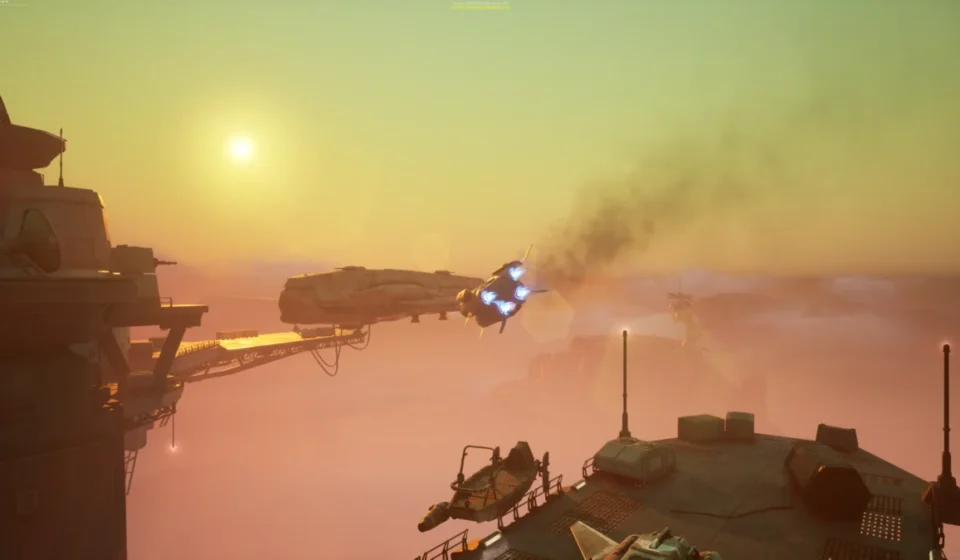
Bridging the Physical and Digital Frontier: Disney and Epic Games Unveil ‘Smugglers Gambit’

In a groundbreaking convergence of physical theme park immersion and digital interactive entertainment, The Walt Disney Company and Epic Games have announced a historic collaboration that blurs the lines between the “real world” and the virtual metaverse. The centerpiece of this initiative is Millennium Falcon: Smugglers Run | Fortnite, a cross-platform experience that links the iconic Star Wars: Galaxy’s Edge attraction at Disney’s parks in Orlando and Anaheim with a bespoke, dedicated adventure inside the Fortnite ecosystem.
This move represents more than just a promotional crossover; it is the first tangible evidence of a long-term strategic ambition to build a persistent, interconnected Disney universe within the Fortnite engine. By enabling park guests to unlock exclusive in-game content through real-world queue participation, the two entertainment giants are setting a new precedent for how intellectual property can exist simultaneously across disparate mediums.
The Mechanics of Convergence: Bridging the Queue and the Console
The core of the initiative revolves around Smugglers Gambit, a high-fidelity, in-game adventure built directly within the Fortnite framework. The experience is designed to reward engagement at the physical attraction. When visitors to the Millennium Falcon: Smugglers Run ride at Disney’s Hollywood Studios or Disneyland Park enter the queue, they are presented with a unique opportunity to engage with a digital mission.
By successfully navigating the challenges presented within the physical queue’s narrative arc, participants earn the right to unlock a rare "Forsworn Trooper Outfit" within Fortnite. This outfit is not merely a cosmetic skin; it serves as a digital badge of honor, signifying that the player has completed the physical-to-digital bridge. The mission is designed to be seamless, utilizing mobile connectivity to sync the guest’s Disney experience with their Epic Games account, effectively gamifying the wait-time experience that has long been a staple—and a pain point—of the theme park industry.
A Chronology of Collaboration: From IP Licensing to Strategic Integration
To understand the magnitude of this announcement, one must look at the evolution of the relationship between Disney and Epic Games. The partnership has matured significantly over the last several years, moving from simple, transactional licensing to deep, foundational technical integration.
The Foundation: The Unreal Engine Connection
Long before this latest announcement, Disney’s Imagineers began utilizing Epic Games’ Unreal Engine to power the interactive cockpits of the Millennium Falcon: Smugglers Run ride itself. By leveraging the same rendering technology that powers Fortnite, Disney ensured that the visual fidelity of the ride was top-tier. This technical commonality is what makes the current integration possible; because both the ride and the game are built using the same digital DNA, assets can be ported, repurposed, and shared between the theme park environment and the gaming console with unprecedented ease.
The Progression of Virtual Integration
The timeline of this collaboration can be traced through several key phases:
- The Licensing Phase: Initially, Disney utilized Fortnite as a marketing platform, featuring Star Wars character skins and limited-time event modes to coincide with theatrical releases.
- The Technical Integration Phase: Disney began integrating Unreal Engine into their park attractions, signaling a shift toward digital-first design.
- The Investment Phase: In early 2024, Disney announced a $1.5 billion equity investment in Epic Games, confirming their intention to build an expansive, open, and persistent “Disney Universe” connected to Fortnite.
- The Convergence Phase (Present Day): The launch of Smugglers Gambit marks the first time a physical location and a digital game have functioned as a singular, symbiotic narrative experience.
Supporting Data: Why This Matters for the Future of Media
The decision to link a theme park ride with a video game is backed by evolving consumer behavior trends. Industry data suggests that the "digital native" generation no longer views entertainment in silos. For a modern consumer, there is little distinction between "watching" a Star Wars movie, "riding" a Star Wars attraction, and "playing" a Star Wars game.
According to industry analysts, the "engagement stickiness" of users who interact with a brand across multiple platforms is roughly 40% higher than those who interact with a single medium. By incentivizing the physical queue with a digital reward, Disney is effectively increasing the perceived value of their theme park ticket while simultaneously boosting user retention within the Fortnite platform.
Furthermore, the utilization of Unreal Engine across both platforms creates a massive cost-saving synergy. The development costs for 3D assets, character models, and environmental textures can be amortized across both the theme park attraction and the video game, creating a more efficient pipeline for high-quality content production.
Official Perspectives: Shaping the Future of Interactive Storytelling
The leadership at both Disney and Epic Games have emphasized that this is not a one-off experiment, but rather the opening chapter of a new era.
Sean Shoptaw, executive vice president of Disney Games and Digital Entertainment, highlighted the logistical and narrative significance of the move. “Millennium Falcon: Smugglers Run | Fortnite marks the first time this attraction has reached beyond its physical walls into a connected game world,” Shoptaw stated. “A story that starts in a queue in Orlando or Anaheim can now continue on a screen almost anywhere. Smugglers Gambit, built in-house by an incredibly talented team, is an immersive, high-quality game, and together these experiences reflect our ambition to connect stories and worlds across formats into one converged entertainment ecosystem.”
Adam Sussman, president of Epic Games, echoed these sentiments, focusing on the agency of the fan. “Building on Epic’s technology, Disney’s Imagineers are shaping the future of interactive entertainment, where an experience goes from the physical world into Fortnite,” Sussman noted. “Whether you’re at a Disney Park or playing Fortnite with your friends, fans have new ways to keep their Star Wars adventures going. This is only the beginning of what’s possible when world-class storytellers bring their creativity into Fortnite.”
Implications: The Emergence of the "Omni-Channel" Park Experience
The implications of this collaboration are profound for both the tech and tourism sectors.
For the Gaming Industry
This partnership establishes a roadmap for other major IP holders to follow. We are likely to see a shift where video games become the "glue" that binds together disparate physical assets. If Disney can link Galaxy’s Edge to Fortnite, they could theoretically do the same for Avengers Campus or Pandora: The World of Avatar. The game becomes a persistent lobby for the real-world experience, ensuring that brand engagement persists long after the guest has left the park.
For the Theme Park Industry
Theme parks have historically been "walled gardens." Once the visitor leaves the gate, the brand connection often weakens until the next visit. By extending the park experience into the home via Fortnite, Disney creates a continuous loop of engagement. This effectively turns the smartphone into an extension of the theme park ride, transforming the "wait time" in a queue from dead time into an opportunity for digital enrichment.
The Broader Metaverse Ambition
Ultimately, this project serves as a "proof of concept" for the Disney-Epic metaverse. For years, the concept of the metaverse has been abstract. By grounding this digital integration in the familiar, high-value reality of Star Wars: Galaxy’s Edge, Disney is demonstrating a practical, consumer-friendly version of the metaverse that does not rely on niche hardware like VR headsets, but rather on the existing, massive reach of the Fortnite install base.
As these two entities continue to deepen their integration, we can expect to see more "phygital" (physical-digital) experiences that prioritize narrative continuity. Whether it is unlocking unique items through real-world purchases, participating in park-wide scavenger hunts that mirror virtual quests, or seeing live park events broadcast into the game world, the wall between the physical and the virtual is effectively coming down.
In the final analysis, Smugglers Gambit is a testament to the fact that the future of entertainment is not about choosing between a theme park and a video game—it is about the seamless transition between both. Disney and Epic Games have successfully transformed a wait in line into a digital adventure, proving that in the new era of media, the story never truly ends; it simply changes platforms.