Beyond the Cul-de-Sac: Deconstructing the Visual and Narrative Ambition of The End of Oak Street

In the rapidly evolving landscape of contemporary cinema, few directors have managed to blend the mundane anxieties of suburban life with the surreal mechanics of science fiction as effectively as David Robert Mitchell. With his latest feature, The End of Oak Street, Mitchell pivots from the grounded tension of It Follows and the neo-noir mystery of Under the Silver Lake to deliver a sprawling, time-bending epic that challenges both the audience and the technical limitations of modern visual effects.
Starring Academy Award-winner Anne Hathaway and Golden Globe-winner Ewan McGregor as the heads of the beleaguered Platt family, the film acts as a high-stakes psychological portrait trapped within a temporal anomaly. As the Platt family’s quintessential neighborhood is ripped from its geographical moorings and deposited into an indeterminate point in history, the film serves as a canvas for a profound exploration of survival, familial bonds, and the fragility of reality.
This week, The VFX Show (Episode 309) pulls back the curtain on the production, with hosts Matt Wallin, Jason Diamond, and Mike Seymour providing an exhaustive deep dive into the filmmaking choices that define this ambitious project.
Main Facts: The Anatomy of a Suburban Anomaly
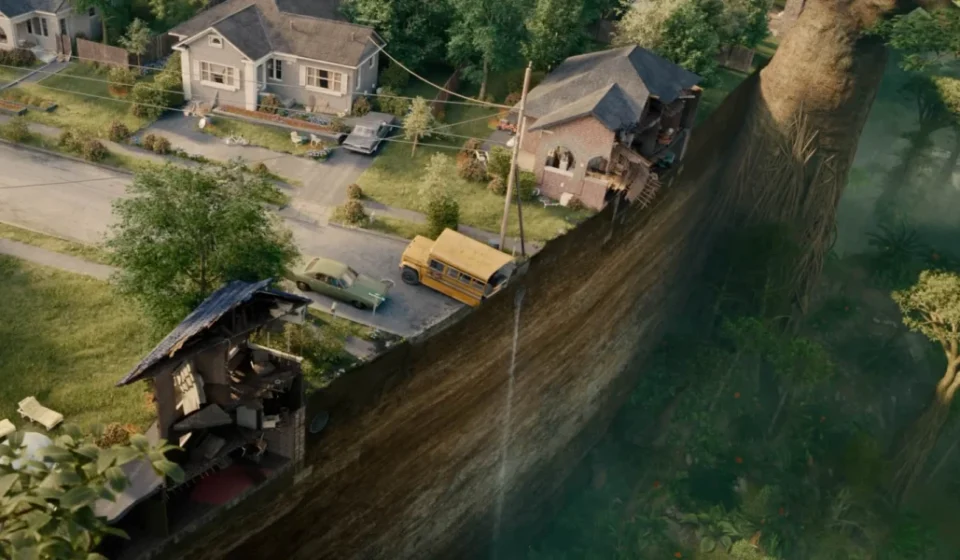
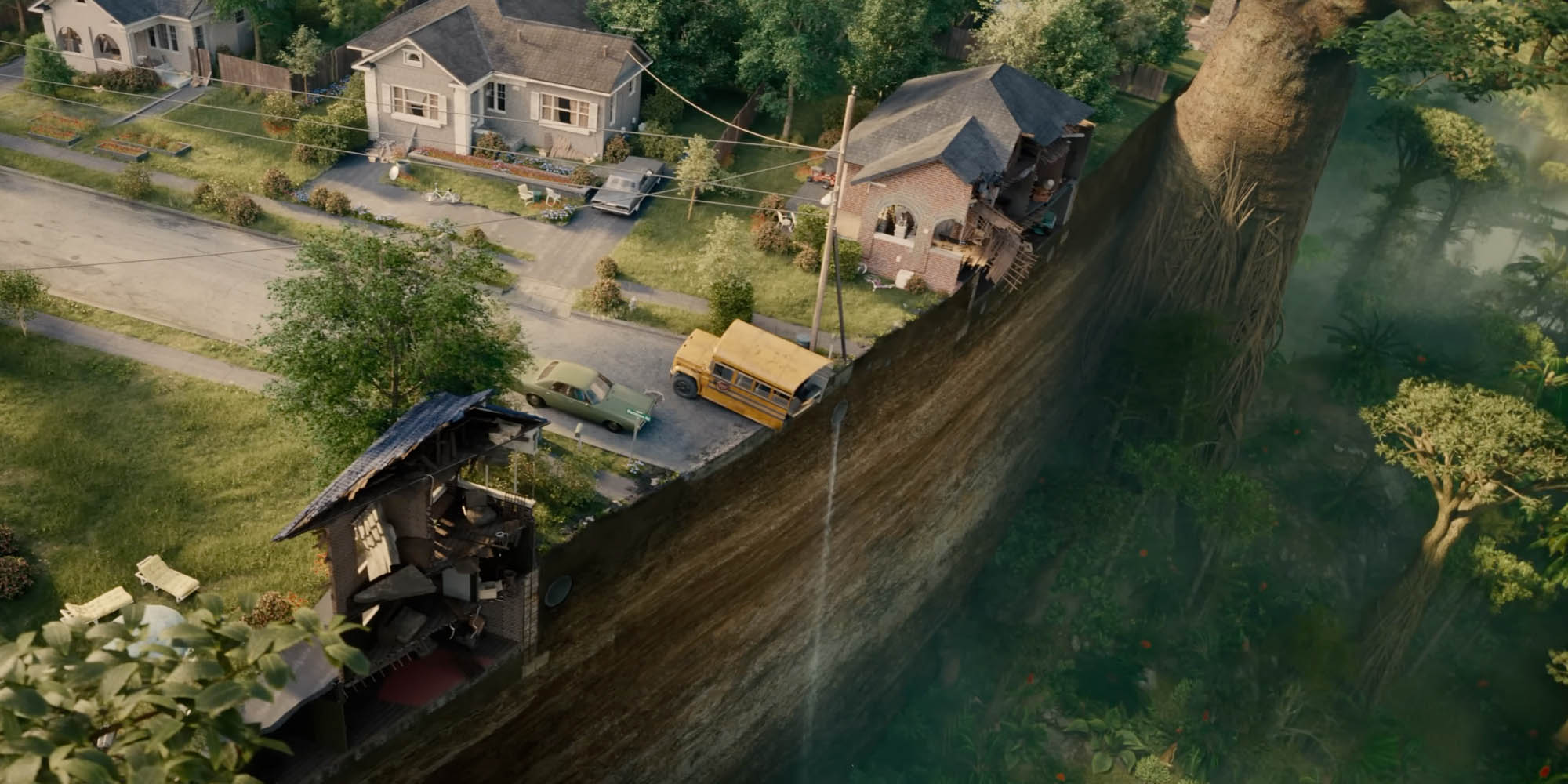
The End of Oak Street is not merely a genre piece; it is a technical marvel that relies on a seamless integration of practical production design and cutting-edge digital post-production. The premise is deceptively simple: a suburban neighborhood, characterized by the predictable rhythms of the Platt family’s life, is suddenly transported to an unknown destination—and time.
The film explores the "what-if" scenario of isolationism. When the physical world as they know it vanishes, the Platts are forced to confront their internal fractures while navigating an external environment that is as hostile as it is enigmatic. Hathaway and McGregor anchor the film with performances that prioritize emotional realism over spectacle, grounding the high-concept premise in the authentic, often messy dynamics of a modern family.
For the production team, the challenge was twofold: creating a believable suburban environment that could withstand the scrutiny of a high-definition lens, and then dismantling that environment piece by piece as the narrative progresses. The result is a film that functions as both a domestic drama and a visually arresting puzzle.
A Chronology of Chaos: From Development to Delivery
The production of The End of Oak Street was marked by an aggressive pre-production phase. David Robert Mitchell, known for his meticulous storyboarding, spent nearly eighteen months mapping out the temporal shifts depicted in the film.
Phase 1: Pre-Production and World Building
The initial stages focused on the "home base"—the Platt residence. Designers needed to create a structure that felt lived-in and timeless, yet capable of looking alien once the transport sequence occurred. This involved a hybrid approach: building extensive physical sets for interior scenes while utilizing lidar scanning for the exterior streetscapes to allow for fluid digital augmentation during the post-production phase.
Phase 2: Principal Photography
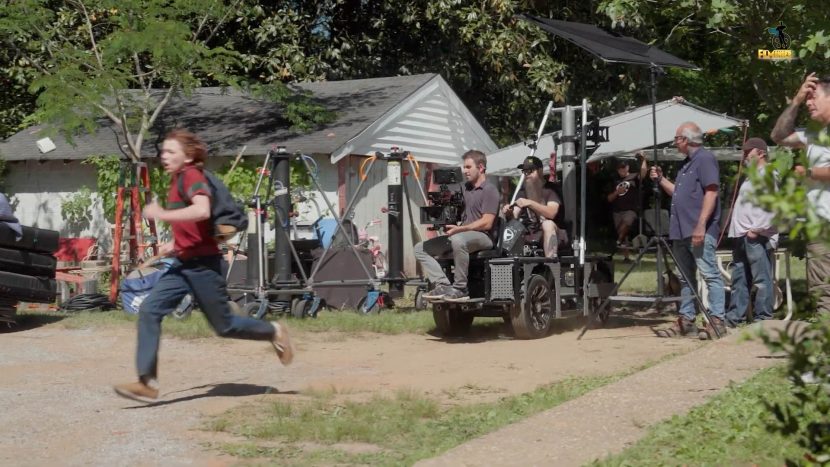
Filming was conducted with a focus on "in-camera" effects where possible. The team utilized sophisticated lighting rigs designed to mimic the atmospheric changes associated with the temporal displacement. Hathaway and McGregor were reportedly involved in long rehearsals to ensure the physical choreography of the "transport" sequences—often involving complex wire work and reactive lighting—remained consistent throughout the shoot.
Phase 3: The VFX Pipeline
Following the shoot, the visual effects team, led by a cadre of industry veterans, embarked on the massive task of creating the "unknown" world. Unlike standard green-screen work, the team utilized virtual production techniques, allowing the actors to react to projected environments in real-time. This provided the depth and lighting interaction necessary to sell the film’s increasingly surreal aesthetic.
Supporting Data: The Technical Breakdown
In the latest episode of The VFX Show, the panel scrutinizes the technical choices that make The End of Oak Street a standout.
The Virtual Production Workflow
The film’s reliance on LED volumes allowed the team to manipulate lighting on a per-frame basis, creating a distinct "haze" that signifies the temporal displacement. Data from the production suggests that over 65% of the film’s exterior sequences were captured using this virtual workflow, drastically reducing the need for traditional post-processing compositing and ensuring that the reflections on the actors’ faces remained accurate to the environment.
Sound Design as Narrative Architecture
A critical, often overlooked aspect discussed by the panel is the sound design. The "transport" sequences are not just visual; they are auditory events. The audio team utilized sub-bass frequencies to evoke a sense of physical discomfort in the audience, mimicking the sensation of being displaced from one’s natural environment.
The Debate: What Worked?
The panel—comprising Matt Wallin, Jason Diamond, and Mike Seymour—engages in a rigorous debate regarding the film’s pacing. While all participants laud the visual fidelity of the third act, there is significant disagreement regarding whether the narrative’s slow-burn approach serves the character development or hinders the momentum of the mystery. The consensus, however, is that The End of Oak Street represents a high-water mark for contemporary independent cinema attempting to balance blockbuster-level visual effects with character-driven drama.
Official Responses and Industry Reception
Early reviews have highlighted the film’s unique aesthetic. Critics have praised the "unsettling familiarity" of the cinematography, which captures the suburban landscape with a nostalgic warmth before gradually draining the color palette as the family travels further into the unknown.
In a recent press statement, director David Robert Mitchell noted: "The goal was never to create a ‘sci-fi’ movie in the traditional sense. It was to use the tools of the genre to investigate the terror of displacement. If the audience forgets they are watching visual effects and simply feels the cold of the unknown, we have succeeded."
Anne Hathaway, speaking on the complexity of the shoot, noted the difficulties of maintaining emotional continuity when the physical set is constantly shifting around the actors. "It was an exercise in trust," she remarked. "You have to trust the vision of the VFX team because, quite often, you are acting against a blank wall or a flickering light that is supposed to be an entire world."
Implications: The Future of Suburban Science Fiction
The release of The End of Oak Street signals a shift in how mid-budget films utilize visual effects. By opting for a focused, contained story rather than a global apocalypse, the film demonstrates that massive scale is not a prerequisite for visual impact.
Changing the VFX Paradigm
The industry is watching closely. If The End of Oak Street performs well financially, it may pave the way for a new wave of "contained epics"—films that use high-end digital artistry to enhance human-centric stories rather than overshadow them. This suggests a move away from the "superhero" fatigue currently plaguing the box office, favoring stories that offer a more intimate, albeit surreal, cinematic experience.
The Legacy of the Production
For the VFX community, the techniques pioneered here—particularly the integration of lidar scanning with LED volumes in domestic settings—are likely to become standard. The ability to scan a mundane street and then "break" it in virtual space offers filmmakers a level of control that was previously only available to the highest-budgeted franchises.
Conclusion: Join the Debate
The End of Oak Street is a film designed to provoke conversation. Whether you find the ending a masterful stroke of ambiguity or a frustrating lack of resolution, there is no denying the craft involved in bringing such a complex vision to life.
We invite you to listen to the full analysis on The VFX Show Episode 309. Join Matt Wallin, Jason Diamond, and Mike Seymour as they dissect the frames, the philosophy, and the technical mastery behind this suburban odyssey.
For further discussion or to share your own theories on the Platt family’s journey, feel free to reach out to the team at the contact information provided on our website. Don’t forget to subscribe to the podcast on Apple, Spotify, or via RSS, and keep an eye on our YouTube channel for exclusive breakdowns and visual deep dives.
Special thanks to Jim Shen for the meticulous editing and production of this week’s episode.