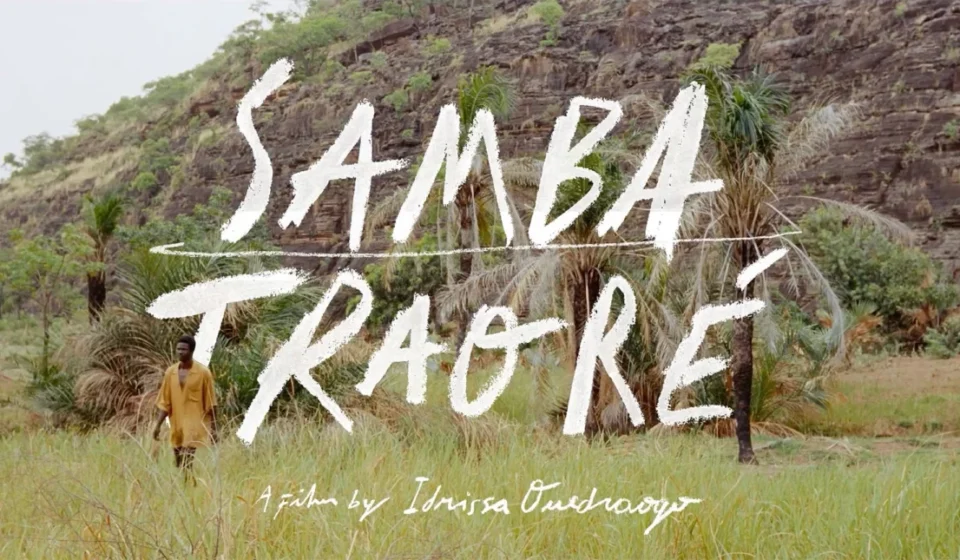
A Cinematic Rediscovery: The 4K Restoration of Idrissa Ouédraogo’s Masterpiece Samba Traoré

In the landscape of world cinema, few voices have captured the intersection of moral complexity and rural life with the same poetic precision as the late Burkinabé filmmaker Idrissa Ouédraogo. This summer, Film Movement is set to reintroduce global audiences to one of his most vital works, the 1992 drama Samba Traoré, through a breathtaking 4K digital restoration. With an endorsement from modern auteur Luca Guadagnino and a timely return to the big screen, the film stands as a testament to the enduring power of African storytelling.
The Narrative: A Fugitive’s Moral Dilemma
At its core, Samba Traoré is a neo-realist fable of guilt, redemption, and the inescapable nature of one’s past. The film follows the titular character, played with brooding intensity by Bakary Sangaré, the sole survivor of a botched gas station robbery. Fleeing the scene with a suitcase overflowing with illicit cash, Samba returns to his native village in rural Burkina Faso.
What follows is not a standard crime thriller, but a delicate character study. Samba attempts to forge a "fresh start," burying his criminal history beneath the soil of his homeland. He charms the village beauty, Saratou (Mariam Kaba), wins the heart of her young son, and—in a bid to integrate himself further—partners with a childhood friend to open the village’s first bar. However, the film masterfully navigates the friction between his outward success and the internal rot of his conscience. As the police hunt for the "gas station murderer" intensifies, Samba finds that his new life is built upon a foundation of shifting sand.
Chronology of a Masterpiece
To understand the significance of this 2026 re-release, one must look at the film’s storied history:

- 1992 (Production): Idrissa Ouédraogo, already a rising star of African cinema, directs his fifth feature. The script, co-written with Santiago Amigorena and Jacques Arhex, captures a specific moment in the socio-economic evolution of rural Burkina Faso.
- 1993 (International Recognition): Samba Traoré premieres at the 43rd Berlin International Film Festival. It earns widespread critical acclaim, ultimately winning the Silver Bear—a recognition that cemented its place as a significant work of world cinema.
- 1993 (US Distribution): The film receives a limited release in the United States, finding a niche but dedicated audience among arthouse enthusiasts and scholars of post-colonial cinema.
- 1993–2025 (The Long Wait): For decades, the film existed primarily in archival 35mm prints or lower-quality home media, limiting its visibility to the general public despite its status as a "must-watch" among directors like Luca Guadagnino.
- 2026 (The Restoration): Under the stewardship of Waka Films and the Cinematheque Suisse, the original 35mm negatives are digitized, cleaned, and meticulously color-graded by Cinegrell to preserve the film’s authentic aesthetic while offering modern visual clarity.
Technical Brilliance: The Restoration Process
The transition from a weathered 35mm print to a 4K digital master is a delicate surgical procedure. In the case of Samba Traoré, the objective was not to "modernize" the film—which would have stripped away the warmth and grit of Ouédraogo’s original cinematography—but to restore the clarity of the image.
The process involved high-resolution scanning of the original image and sound negatives. Technicians at Cinegrell worked to eliminate decades of physical degradation, dust, and flickering, while the color grading process was guided by the original aesthetic intention. The result is a crisp, vibrant experience that allows audiences to see the subtle textures of the Burkinabé landscape—the dry earth, the sunlight filtering into the bar, and the expressive faces of the actors—with unprecedented fidelity.
Supporting Data: Why This Film Matters Now
Idrissa Ouédraogo was a pioneer. As one of the most prominent filmmakers from West Africa, his work provided a counter-narrative to the stereotypical depictions of the continent prevalent in Western media during the 1990s.
Critical Reception and Influence
The film’s influence is best articulated by those who have been shaped by it. Luca Guadagnino, the acclaimed director of Call Me by Your Name, has frequently cited Samba Traoré as one of his favorite films. In promotional materials for this release, Guadagnino’s endorsement serves as a bridge between the classic era of 90s world cinema and contemporary audiences who may be unfamiliar with Ouédraogo’s filmography.

The film is not merely a piece of nostalgia; it is a clinical look at the psychology of guilt. Unlike American noir, where the "crime" is the focal point, Samba Traoré treats the crime as a ghost that haunts the protagonist’s domestic bliss. It is a study in how a community—and the individuals within it—react to the introduction of "new money" and the moral erosion that follows.
Official Perspectives: The Role of Film Movement
The decision to bring this film back to theaters via Film Movement is part of a broader trend of "archival resurrection." As the streaming era threatens to make older, foreign-language films invisible, distributors are increasingly focusing on the curation and restoration of works that define cinematic heritage.
"We are honored to bring Idrissa Ouédraogo’s vision to a new generation," a spokesperson for Film Movement noted. By scheduling the release for late August 2026, the studio aims to capture the late-summer audience looking for intellectually stimulating content before the onset of the fall awards season. The release will be accompanied by a series of screenings, educational Q&As, and digital discussions aimed at situating the film within the history of the "New African Cinema" movement.
Implications for Global Cinema
The re-release of Samba Traoré carries significant implications for the industry:

- Cultural Preservation: By digitizing the Cinematheque Suisse’s collection, stakeholders are ensuring that non-Western cinema is not lost to the decay of film stock. This is a crucial step in decolonizing the film canon.
- Educational Accessibility: For film students and scholars, this 4K restoration provides a clean, reliable reference point for studying the editing techniques, pacing, and visual language of the 1990s African New Wave.
- The "Guadagnino Effect": By leveraging the influence of a modern auteur like Luca Guadagnino, distributors are proving that high-profile endorsements can be a viable strategy for promoting independent, classic, and foreign-language films to a wider, younger demographic.
The Legacy of Idrissa Ouédraogo
Idrissa Ouédraogo was more than a filmmaker; he was a chronicler of the human condition. His ability to blend the local with the universal made Samba Traoré a success in 1993, and it is precisely that quality that will make it resonate in 2026. The film asks questions that remain evergreen: Can we ever truly outrun our past? What is the cost of a comfortable life built on a lie?
As the new trailer suggests, "You shouldn’t worry, Samba loves you." It is a chilling, gentle line that encapsulates the film’s tone—a mixture of warmth and impending dread. With this new 4K restoration, the world finally has the opportunity to re-examine this haunting, beautiful work in the clarity it deserves.
Whether you are a devotee of African cinema, a student of the craft, or simply a fan of powerful, human-centric storytelling, Samba Traoré is a landmark of the medium. Its return to the big screen on August 28, 2026, is not just a commercial event—it is a vital reclamation of a cinematic treasure.