A Cinematic Homecoming: Lee Chang-dong Returns to Venice with the Emotional Powerhouse ‘Possible Love’

The Atmosphere at the Sala Grande
The air inside the historic Sala Grande theater at the Venice Film Festival was thick with anticipation. For the international film community, the name Lee Chang-dong is synonymous with a specific kind of transcendent, patient, and devastating cinema. When the credits finally rolled on his latest feature, Possible Love, the silence that followed was not one of confusion, but of profound emotional processing.
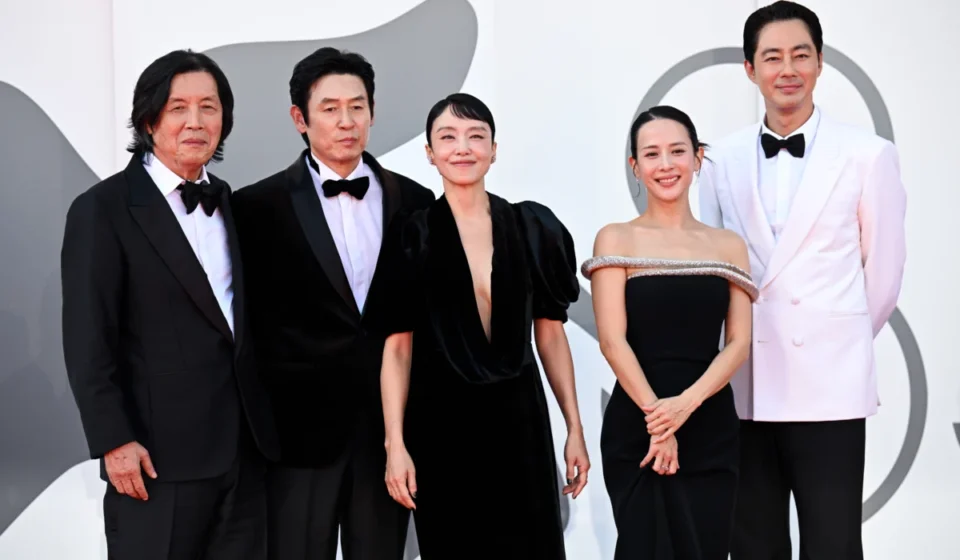
Then, the dam broke. As the house lights rose, the audience erupted, initiating a thunderous six-minute standing ovation that left the film’s cast visibly shaken. Jeon Do-yeon, the powerhouse star of Lee’s Secret Sunshine, was seen wiping away tears, while her co-stars—Sul Kyung-gu, Zo In-sung, and Cho Yeo-jeong—shared an intimate, tear-streaked group embrace. It was a rare, raw moment of vulnerability at one of the world’s most prestigious cinematic stages. For a director who hasn’t stepped into the Venice competition in 24 years, the reception served as a resounding confirmation: Lee Chang-dong remains one of the most vital voices in contemporary world cinema.
Chronology: A Quarter-Century in the Making
The path to Possible Love has been anything but linear. Lee’s relationship with the Venice Film Festival is storied; it was here, in 2002, that he claimed the Silver Lion for his masterpiece Oasis, a film that cemented his reputation as a master of the human condition.
The timeline of Lee’s career is marked by long, deliberate gaps—a stark contrast to the rapid-fire output of modern studio directors. Following Oasis, Lee continued to build an impeccable filmography with Secret Sunshine (2007) and Poetry (2010), both of which were lauded for their lyrical exploration of grief and morality. It was in 2018 that he released Burning, a psychological thriller that challenged the boundaries of the genre and solidified his status as an auteur.
Possible Love represents a significant homecoming. After an eight-year hiatus from feature filmmaking, Lee returned to the Lido with a project that demanded a level of narrative maturity only he could provide. The film, co-written by long-time collaborator Oh Jung-mi, marks the director’s return to the Venice competition after a 24-year absence, bridging the gap between his early accolades and his current status as a cinematic elder statesman.
Supporting Data: The Narrative and the Cast
At its core, Possible Love is a study of collision—not of objects, but of social classes and moral universes. The narrative centers on two married couples whose lives are inextricably bound by a single, mournful event: a funeral.
The first couple consists of a laid-off factory worker and his spouse, characters who represent the precariousness of the working class in a rapidly changing South Korean economy. The second couple, a wealthy pair of documentarians, enter the frame with the intent of capturing the injustices faced by laborers like the first couple. As these two worlds intersect, the film explores the fragility of empathy and the transactional nature of human relationships.
The casting is a masterclass in blending Lee’s history with fresh energy:
- Jeon Do-yeon: Reuniting with Lee after their Cannes-winning collaboration in Secret Sunshine.
- Sul Kyung-gu: A frequent Lee collaborator, known for his transformative turn in Peppermint Candy.
- Zo In-sung: Fresh off the success of Escape from Mogadishu, bringing a contemporary edge to the cast.
- Cho Yeo-jeong: Famous for her breakout role in Bong Joon-ho’s Parasite, she adds a layer of sharp, nuanced prestige to the ensemble.
Thematically, the film anchors itself on the 10th commandment: "Thou shalt not covet." By placing this ancient moral directive against the backdrop of modern capitalist disparity, Lee poses a challenging question: Is love possible when our perceptions are colored by what we lack and what others possess?
Official Responses and the Director’s Philosophy
Lee Chang-dong has always been a director who prioritizes substance over speed. When questioned about the extensive intervals between his projects, Lee has remained steadfast in his refusal to rush the creative process.
"I’m not the type of filmmaker who can make movies easily," Lee stated in a recent press engagement. "Before I begin a film, I must be certain of what it means—to me, to the audience, and to cinema itself. That is why Possible Love took so long to make."
The cast’s reaction at the Venice premiere speaks to the depth of this process. The emotional release during the standing ovation—giggling through tears and the sheer relief of having successfully translated Lee’s complex script to the screen—suggests a production environment defined by high stakes and deep introspection. The actors were eventually guided away by festival staff, but the palpable energy in the room suggested that the cast, like the audience, felt the weight of the film’s moral inquiries.
Implications for Global Cinema and Distribution
The implications of Possible Love extend beyond its artistic merit, signaling a shift in how prestige foreign cinema is distributed and consumed. Netflix has taken the lead on this project, a move that underscores the streaming giant’s ongoing strategy to secure high-caliber international content.
The film’s festival run is designed for maximum impact:
- Venice: The world premiere and emotional debut.
- Toronto & New York: Continued festival circuit presence to build critical momentum.
- Theatrical Rollout: A U.S. theatrical release scheduled for October 23, ensuring that the film is experienced in the environment for which it was crafted.
- Global Streaming: A digital debut on November 6, bringing Lee’s vision to millions of households.
This strategy mirrors Netflix’s push into the festival circuit, as seen with their opening of this year’s Venice festival with Danny Boyle’s Ink. By pairing the explosive, tabloid-focused drama of Ink with the quiet, devastating precision of Possible Love, Netflix is effectively capturing both ends of the cinematic spectrum.
A Legacy Reinforced
The success of Possible Love at Venice is more than just a momentary triumph; it is a vital addition to the canon of a director who refuses to be pigeonholed. From the grit of Green Fish to the haunting ambiguity of Burning, Lee Chang-dong has maintained a consistent focus on the "possible"—the possibility of redemption, the possibility of justice, and the possibility of love in a world that often denies all three.
As the industry moves toward a future dominated by rapid content consumption, Lee’s slow, deliberate pace feels like an act of defiance. Possible Love is not just a film about the 10th commandment; it is an argument for the necessity of patience in art. By the time the final credits rolled in Venice, it was clear that the audience was not just applauding a movie; they were applauding the return of a master who reminds us that, even in the most broken of lives, something like love remains a possibility.
As the film prepares for its global release, the conversations sparked at the Palazzo del Cinema will likely follow it to every corner of the world. Lee Chang-dong has returned, and if the six-minute ovation is any indication, he is far from finished.