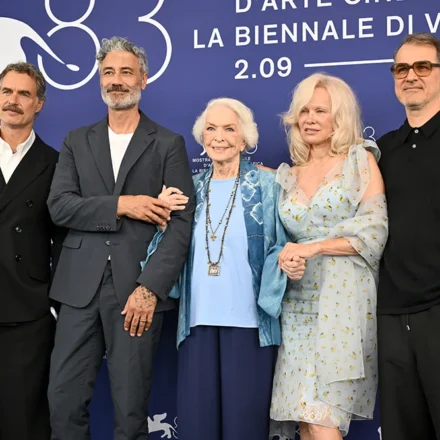

The Venice Film Festival, the world’s oldest and one of its most prestigious cinematic gatherings, has officially set the stage for its 83rd edition. As the industry prepares for the main event, the spotlight has turned toward the Venice Critics’ Week (Settimana Internazionale della Critica), an independent and parallel section dedicated to championing the voices of first-time directors. This year’s selection is a mosaic of geopolitical narratives, experimental storytelling, and poignant human drama, reinforcing the festival’s reputation as a vital incubator for the next generation of auteurs.
The Vanguard of Emerging Voices: Main Facts
The 2024 Critics’ Week lineup is defined by its geographic and thematic diversity. Seven feature films—all of which are world premieres—have been selected to compete for the prestigious Lion of the Future prize, a $100,000 grant that provides a massive career boost to the winning debut director.
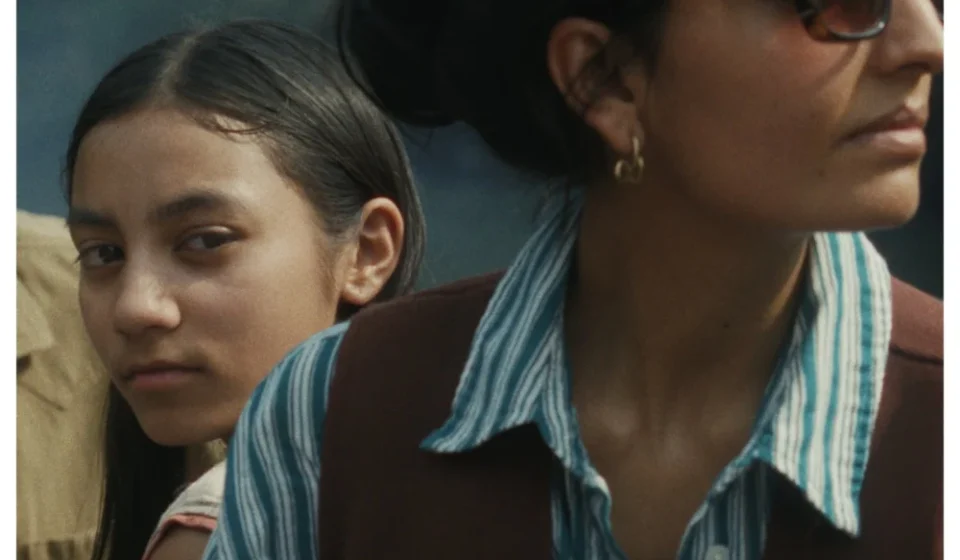
Among the standout entries is Our Share of Sand, the debut feature from London-based Chilean-Indian director Shalini Adnani. The film offers an intimate look at Maya, a 12-year-old girl navigating the complexities of identity as she returns to rural India to reconnect with her estranged father. Adnani’s work is joined by a robust selection that spans from the dystopian landscapes of North Africa to the experimental corridors of Latin American political critique.
The competition is not merely a collection of stories; it is a declaration of intent. As General Delegate Beatrice Fiorentino noted, the selection process was driven by a desire to identify films that possess a "fierce and independent" spirit. These are not just movies; they are attempts to grapple with the fractured realities of the 21st century.
A Chronological Journey Through the Selection
The journey of this year’s Critics’ Week is one that spans the globe, reflecting the diverse origins of its creators.
The Latin American Wave
Colombia makes a significant impression this year with two distinct titles that explore the country’s turbulent history and cultural landscape. The End of Times, co-directed by Bibiana Rojas Gómez and Juan David Cárdenas, stands as a fiction-documentary hybrid. Utilizing artificial intelligence to weave its narrative, the film serves as a blistering critique of colonialism and capitalism in Colombia.
Contrasting this technological approach is Sebastián Múnera’s Meteorite. The drama centers on the surreal and unsettling reality of modern-day tourism, focusing on the plans to construct an amusement park on the grounds of the former estate of notorious drug lord Pablo Escobar. It is a meditation on memory, erasure, and the commercialization of trauma.
The European Lens
Italy serves as both the host and a central protagonist in the lineup. Tommaso Usberti’s Before the War (titled Prima Della Guerra in its home market) is a harrowing character study. Set within a Northern Italian racist milieu, it follows a young man named Guido who finds his worldview challenged when he falls in love with Sonia, a Kosovar immigrant. It is a classic narrative of prejudice colliding with human connection, refined for a contemporary audience.
The section also features two high-profile Italian entries outside of the competition. The opening film, Giaffa the Great (Il Grande Giaffa), directed by Marco Santi, is described as an "existential noir"—a tone-setting piece that promises to ground the week in moody, atmospheric storytelling. The closing film, Rider, represents a shift in genre. Co-directed by Roan Johnson and the renowned music producer Dade (Davide Pavanello), the film is an Italian rap musical that explores the gig economy. It follows a young food delivery driver whose routine life takes a surreal turn when he is invited to stay for the evening after delivering a large sushi order to a lavish Milanese villa.
Global Perspectives
The competition is rounded out by three films that demonstrate the truly international reach of the Venice Critics’ Week:
- Tunisia: The H@llow Man by Kamel Laaridhi offers a chilling dystopian vision of 2059 Tunisia, where a biochip is used to regulate memory and suppress human emotion.
- China: Zoom In, Zoom Out by Dong Jie follows a young video game designer on a quest to find a missing roommate, using clues hidden within an online gaming environment.
- Brazil: London, directed by Victor Di Marco and Márcio Picoli, tackles the internal and external dilemmas faced by a disabled young adult, adding a necessary layer of disability representation to the program.
Supporting Data: The Road to the Lion of the Future
The stakes for these directors are significantly higher than the prestige of a festival screening. All seven competitive titles are eligible for the Lion of the Future (Luigi De Laurentiis Award). This prize, which carries a $100,000 cash award, is a cornerstone of the Venice Film Festival’s commitment to new talent.
By placing these films in the same ecosystem as the official selection’s masters, the festival ensures that debut directors are not relegated to the sidelines. The $100,000 prize is intended to act as seed money for the filmmakers’ sophomore projects, ensuring that their careers do not stall after the initial glow of a festival premiere.
Official Responses and Industry Context
Beatrice Fiorentino, the General Delegate of the Venice Critics’ Week, addressed the current state of the film industry during the announcement of the lineup. "Whilst the industry at large is grappling with its crises, these works are proof that cinema never stopped asserting its own cruciality," she stated.
Her remarks touch upon a broader, industry-wide anxiety. With the rise of streaming platforms, the post-pandemic box office slump, and the ongoing integration of generative AI into the creative process, the "cruciality" of the cinema experience is a frequent topic of debate. The selection of The End of Times—a film that embraces AI to interrogate history—alongside traditional dramas like Before the War, suggests that the festival is not afraid to lean into the technological shifts shaping the industry.
Fiorentino’s call for a "collective imagination" that "must continue to be rewritten" serves as the mission statement for the 2024 edition. It positions the Critics’ Week as a defiant space where the rules of storytelling are being actively dismantled and rebuilt.
The Implications: Why This Matters
The inclusion of these specific titles has several profound implications for the film market. First, it highlights the increasing viability of international co-productions. Almost every film in the selection is the result of cross-border collaboration (e.g., India-UK-Greece for Our Share of Sand; France-Italy for Prima Della Guerra). This reflects a world where financial and creative resources are increasingly fluid, moving past national borders to find the right home for a story.
Second, the prevalence of political and historical interrogation—from the shadows of Escobar’s estate to the dystopian memories of 2059 Tunisia—indicates that the new wave of directors is less interested in pure escapism. Instead, they are utilizing the medium of film to engage in active social commentary.
Finally, the festival’s decision to bookend the program with Giaffa the Great and Rider signals a move toward blending high-concept noir with contemporary cultural touchstones like the gig economy and hip-hop. By doing so, the Venice Critics’ Week ensures that it remains relevant to both the scholarly critics in attendance and the broader, younger audience that the festival is desperately trying to court.
Conclusion: A Look Ahead
As the 83rd Venice Film Festival approaches (September 2–12), the pressure is on these debutants to deliver. The Critics’ Week has historically been a launchpad for future giants of the industry, and the 2024 slate appears to be no exception.
With the official selection lineup set to be announced this Thursday, the anticipation is palpable. However, for those looking for the "fierce and independent" heartbeat of the festival, the seven films competing in the Critics’ Week offer a promising glimpse into the future of global cinema. These are directors who are not asking for permission to be heard; they are, in the words of Fiorentino, asserting their cruciality through every frame. Whether through the lens of a rap musical in Milan or a dystopian memory-chip in Tunisia, this year’s cohort is ready to rewrite the narrative.