Bridging Eras: John Knoll on the Craft and Evolution of Star Wars Visual Effects

For nearly five decades, Industrial Light & Magic (ILM) has served as the heartbeat of the Star Wars galaxy. At the center of this enduring legacy stands Oscar-winning visual effects supervisor John Knoll, a veteran whose career mirrors the technological transformation of the film industry itself. In a recent fxpodcast, Knoll sat down to discuss his work on the upcoming theatrical expansion, The Mandalorian and Grogu, offering a profound meditation on what it takes to maintain the "visual language" of Star Wars in an era of rapid digital disruption.
The Evolution of the Star Wars Aesthetic
Knoll’s relationship with Star Wars is unique; he has witnessed the franchise’s transition from the tactile, miniature-driven optical compositing of the 1970s to the pioneering digital workflows of the prequel trilogy and the contemporary era of real-time virtual production.
Rather than viewing these as disparate eras, Knoll characterizes his work as a continuous, singular challenge: how to render the "impossible" in a way that feels physically present, photographed, and emotionally grounded.
"The aesthetic of Star Wars was never a static, written rule," Knoll explains. He points out that the original trilogy was surprisingly inconsistent. From the variation in star field density and the flickering of lightsabers to the shifting look of blaster bolts, the "classic" Star Wars aesthetic was a product of the limitations of its time. Over decades, ILM has distilled these inconsistencies into a "style book"—not a rigid, bureaucratic document, but a creative compass designed to protect the "soul" of the franchise while allowing for the necessary evolution of modern technology.
Chronology: From Miniatures to the Volume
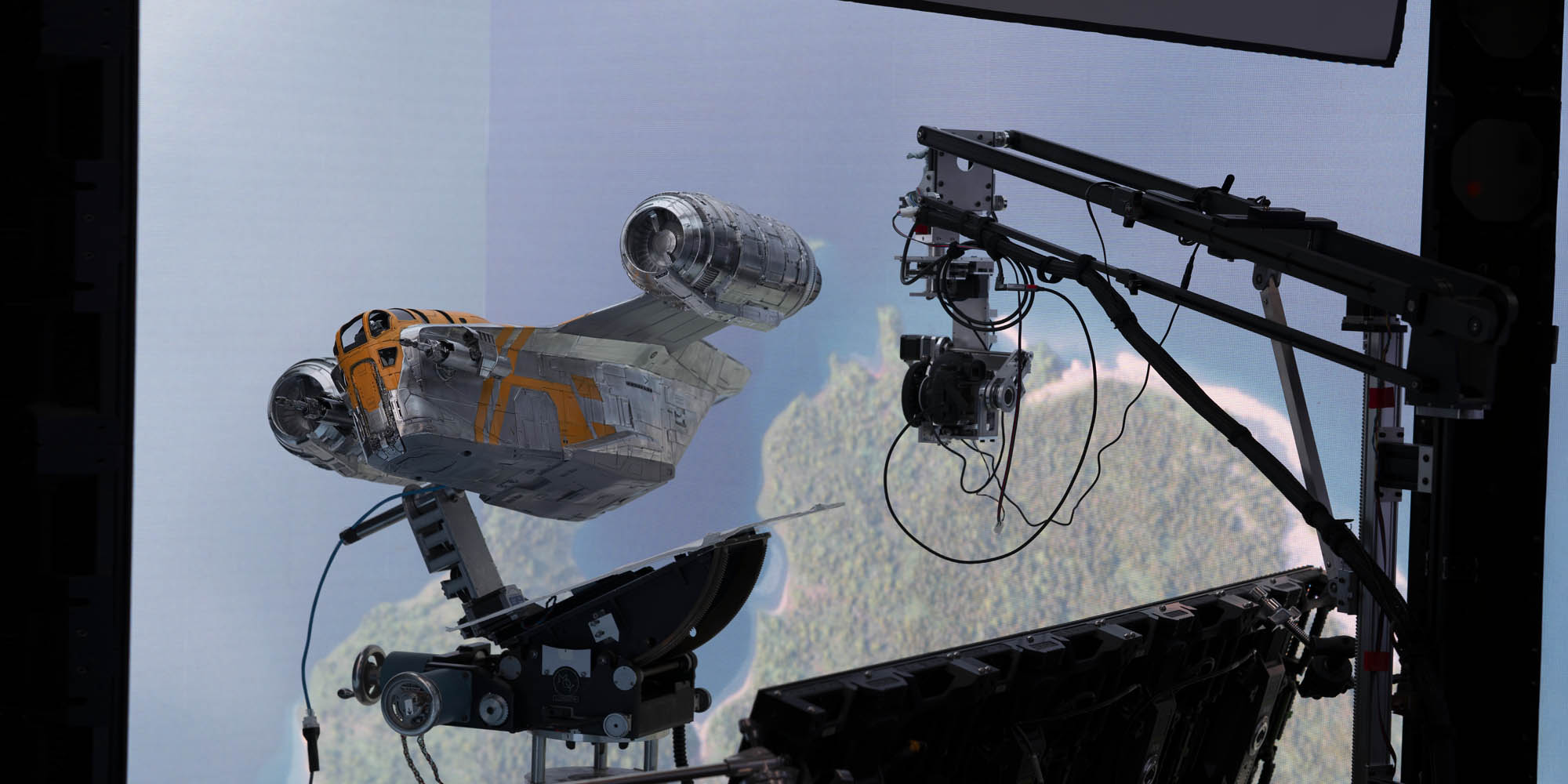
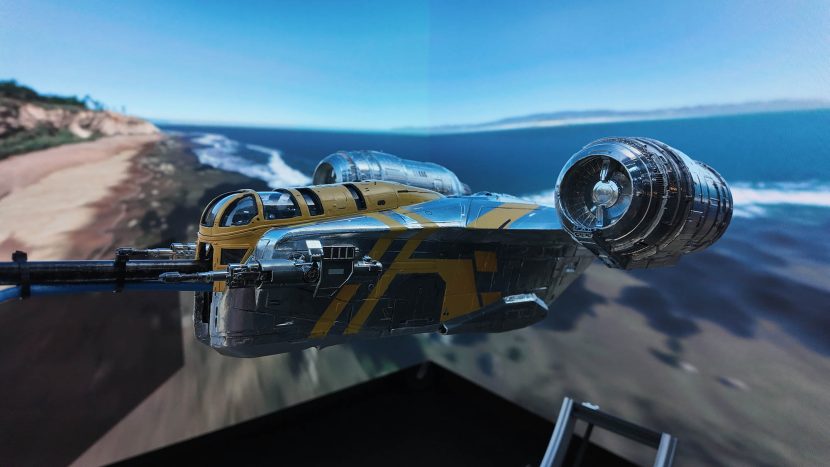
The production of The Mandalorian and Grogu represents a masterclass in hybrid filmmaking. Knoll highlights a return to "old-school" ingenuity, specifically in the filming of the Razor Crest.
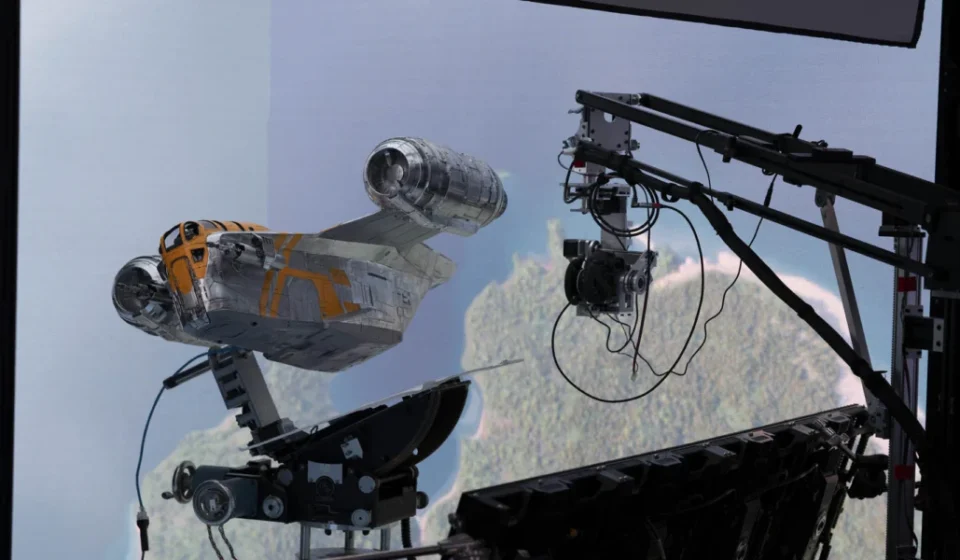
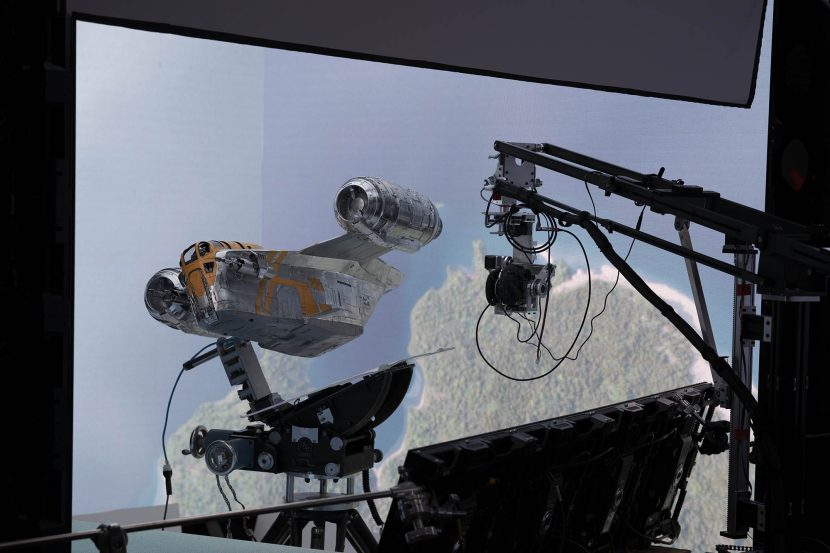
Rather than relying solely on computer-generated imagery (CGI), the team utilized a high-fidelity miniature of the ship. However, they bypassed the limitations of traditional blue-screen photography by placing the model inside a custom-built, eight-foot-tall LED volume. This setup allowed the bare-metal surfaces of the miniature to capture real-time, interactive lighting from the digital environment, creating a level of realism that is nearly impossible to synthesize through purely digital lighting models.
The Technical Workflow
- Motion-Control Miniature Photography: The foundation of the shot remains physical, utilizing classic motion-control rigs.
- LED-Based Illumination: By surrounding the miniature with high-resolution LED panels, the team ensures the light hitting the ship’s hull matches the scene’s color temperature and direction.
- Multi-Pass Compositing: The team shot multiple layers—engines, running lights, and clean plates—to provide compositors with the flexibility needed to blend these elements into the final, seamless frame.
Knoll notes that this approach is fraught with technical hurdles, such as managing the LED raster at such a small scale, which can lead to aliasing issues. Yet, he argues that solving these "invisible" problems is precisely what grants a shot its tactile, authentic weight.
Maintaining the "Puppet-First" Philosophy
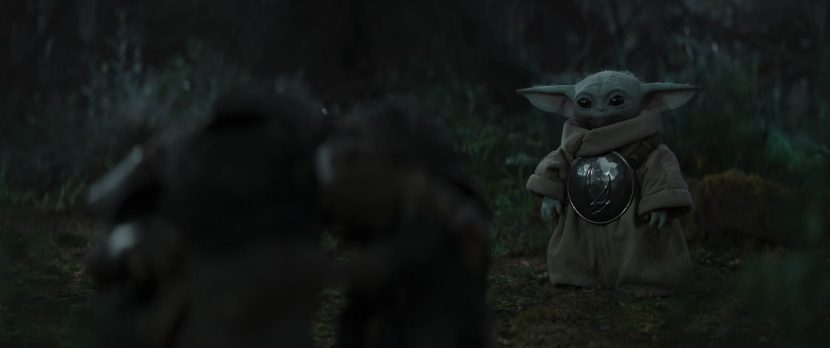
A significant portion of the conversation focuses on the character of Grogu. The appeal of the character is inextricably linked to his physical presence, a realization that forced a strategic pivot early in the production of the Mandalorian series.
Initially, the team anticipated a reliance on digital replacement, but the puppet built by Legacy Effects proved so expressive and charming that it became the primary performance tool. This decision fundamentally altered the digital workflow. When Grogu must be rendered as a CG character, the goal for ILM’s animators is not "anatomical perfection" in a scientific sense, but rather an emulation of the puppet’s constraints—its weight, its limited range of motion, and its "handcrafted" quality. By forcing the digital to mimic the physical, ILM ensures that the transition between puppet and CG remains invisible to the audience.
Creature Design and Emotional Nuance
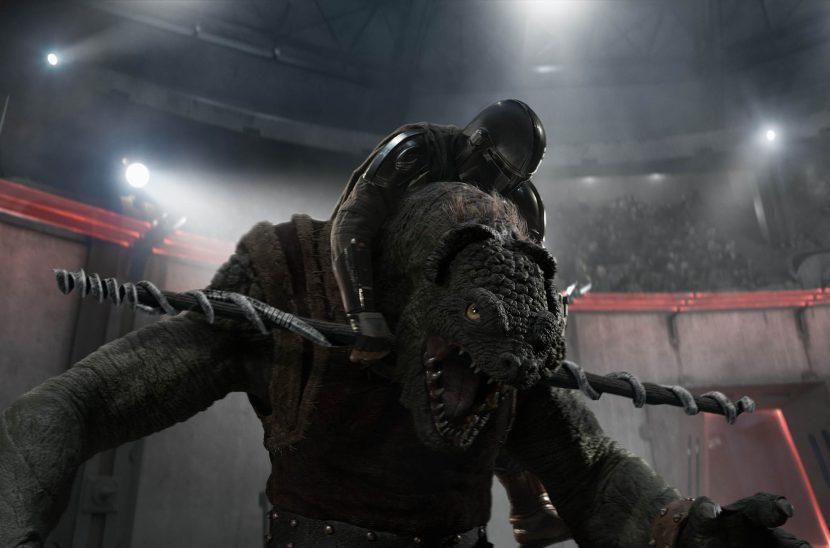
The Star Wars universe is defined by its aliens, and The Mandalorian and Grogu pushes the franchise’s creature work into more complex territory. Knoll describes the challenge of evolving familiar species, such as the Hutts, to perform tasks previously unseen in the canon—including rapid movement, combat, and speaking with complex emotional inflection.
This is a challenge of "restraint." Knoll emphasizes that with every new creature, the team must ask: How far can we push this design before it loses its identity? The goal is to keep the creature within the established design language of the universe while enabling the narrative requirements of the script.
The Water Challenge: A Case Study in Integration
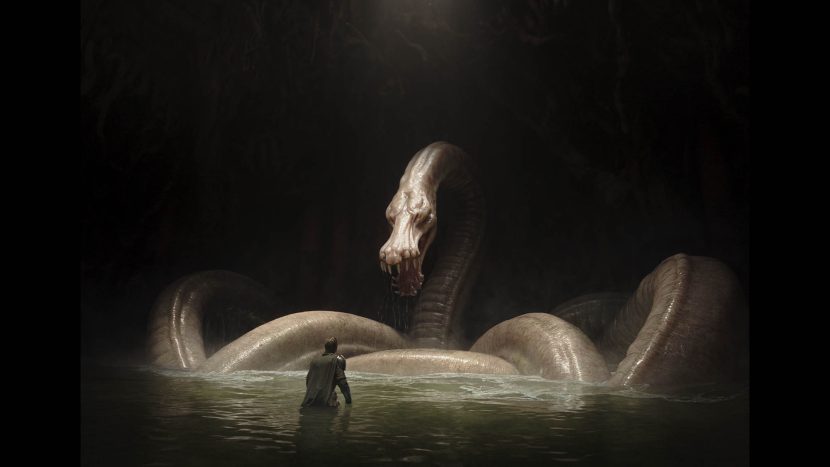
One of the most technically demanding sequences in the new film involves a large-scale, water-based action sequence. Integrating live-action performers with digital creatures and complex water simulations is widely considered one of the "holy grails" of visual effects.
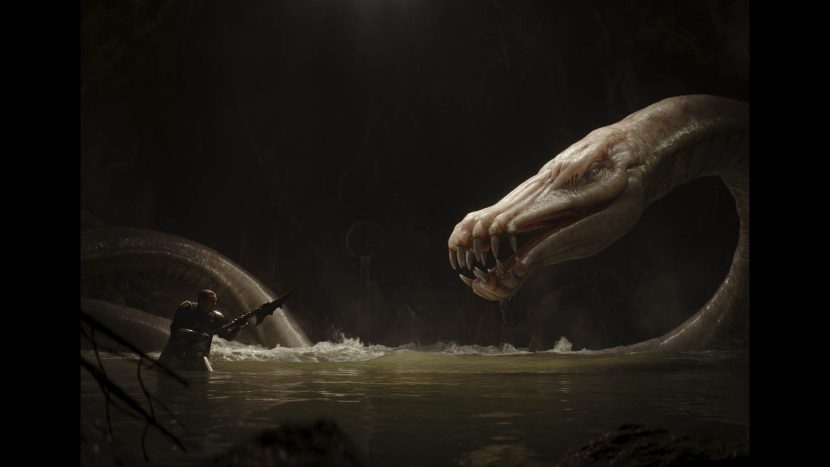
Knoll details the necessity of preserving "photographed water" whenever possible. Water is a stress test for VFX because it communicates scale, weight, and interaction simultaneously. If the simulation doesn’t match the physical splashes or the refraction of the real environment, the viewer’s brain immediately flags it as "fake." By blending practical water elements with digital extensions, the Vancouver ILM team achieved a result that feels cohesive, proving that the most successful VFX are often those that the audience never realizes are VFX at all.
Implications: The Future of Virtual Production
The podcast also touches on the Shakari Street environment, where the team utilized a hybrid approach: a physical location set augmented by a tracked, distant LED wall.

Knoll emphasizes that "virtual production" is not a monolithic tool, but a menu of options. By opting for a real-world location enhanced with digital extensions—rather than defaulting to an entirely virtual stage—the filmmakers were able to utilize wet-down floors and natural atmospheric lighting to anchor the shot in reality.
The Philosophy of the "Filmmaking Continuum"
Perhaps the most significant takeaway from the discussion is Knoll’s rejection of the "real vs. fake" binary. He posits that VFX is not a substitute for reality, nor is it a separate craft from traditional filmmaking. Instead, he views miniatures, puppets, LED volumes, digital animation, and water simulations as parts of a singular, collaborative continuum.
The success of The Mandalorian and Grogu does not hinge on which tool was used to create a frame, but on whether that frame serves the story. As the industry continues to advance toward hyper-realistic AI and machine-learning-assisted workflows, Knoll’s perspective serves as a vital reminder: the ultimate test of any visual effect is not its technical complexity, but its ability to carry the emotional weight required by the story.
In the hands of veterans like John Knoll, the Star Wars legacy is not just being preserved; it is being meticulously engineered for a new generation, ensuring that the galaxy far, far away remains as tactile and evocative as the day it first appeared on screen in 1977.