From Trash Planet to Global Stages: The Wacky, Whimsical World of Cameron Macgowan’s Seed

By Alex Billington
July 17, 2026
In the ever-evolving landscape of independent cinema, few projects manage to balance the absurd with the technically ambitious quite like Seed. This six-minute sci-fi comedy short, helmed by Canadian filmmaker Cameron Macgowan, has finally made its long-awaited digital debut, offering audiences a glimpse into a bizarre, dialogue-free universe where the boundaries between live-action and animation blur in spectacular fashion. After a triumphant festival run that spanned from Cinequest to the Boston Underground Film Festival and Fantaspoa, the film is now available for global audiences to dissect, enjoy, and wonder at.
The Core Concept: Life on the Trash Planet
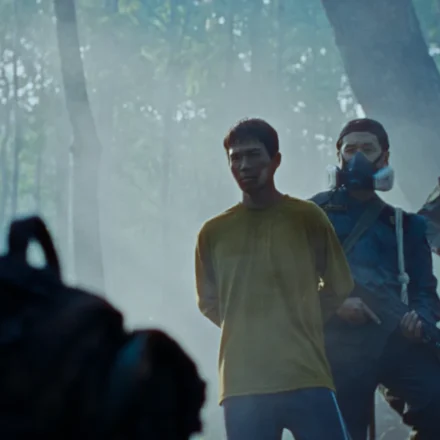
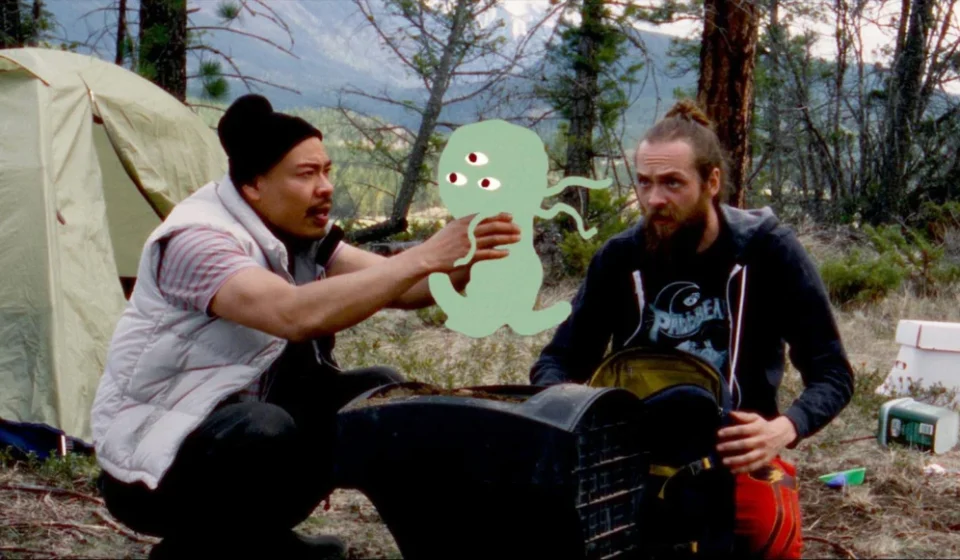
At its heart, Seed is a masterclass in visual storytelling. The premise is deceptively simple: two feral men, portrayed with frantic energy by actors Roger LeBlanc and Mike Tan, inhabit the desolate landscape of "Trash Planet." As they scavenge for the bare necessities of life, their mundane, gritty existence is upended by a startling discovery—a sentient, humanoid plant creature.
This encounter serves as the catalyst for the film’s narrative engine. Without the crutch of dialogue, Macgowan relies on the physical comedy prowess of LeBlanc and Tan, alongside the expressive, hand-drawn 2D animation of the plant creature. The result is a work that feels like a collision between a retro nature documentary and the anarchic energy of classic silent cinema.
Chronology: From Concept to Digital Release
The journey of Seed began long before its 2026 online premiere. Macgowan, a director known for his distinct voice in the genre space—having previously directed the horror-comedy Red Letter Day—began crafting the concept for Seed with a clear aesthetic vision in mind.
Development and Production
The production, managed under Macgowan’s Calgary-based banner, Awkward Silencio Productions, was a labor of love that emphasized creative collaboration. Following the success of his previous feature-length works, Macgowan sought to experiment with hybrid media. By integrating 2D animation into a live-action environment, he aimed to recreate the "magic" of interaction found in films like Who Framed Roger Rabbit?.

Festival Circuit (2025–2026)
Seed officially premiered in the fall of 2025 at the Calgary International Film Festival. Following its local debut, the short film embarked on a robust international circuit. Its presence at major genre festivals—including the Boston Underground Film Festival, Cinequest, and the Brazilian festival Fantaspoa—helped build a cult following. These screenings were critical in validating the film’s unique tone and technical execution before its transition to a digital-first release on YouTube.
Supporting Data: The Anatomy of a Hybrid Short
The success of Seed is not accidental; it is the result of a meticulously assembled team of Canadian talent. The technical production credits provide insight into the film’s high-quality aesthetic:
- Director/Writer: Cameron Macgowan
- Producer: Heather Campbell
- Executive Producers: Cameron Macgowan & Rhett Miller
- Cinematography: Rhett Miller
- Animation: Jarett Sitter
- Music/Score: Kyle Thomas
The synergy between Miller’s cinematography and Sitter’s animation is the film’s most notable technical achievement. By grounding the "Trash Planet" in a lived-in, tactile reality, the 2D animation of the plant creature stands out as an otherworldly intruder, reinforcing the film’s central theme of unexpected intrusion and the disruption of the status quo.
Official Responses and Creative Intent
In a recent interview with Directors Notes, Macgowan provided significant insight into the philosophical underpinnings of the project. He noted that Seed was born out of a profound appreciation for three distinct pillars of cinema: silent comedy, retro-style nature documentaries, and the technical challenge of blending live-action with animation.
"The film was inspired by my love of silent comedy, retro nature documentaries, and films which feature human actors performing with animated characters," Macgowan explained. By stripping away dialogue, he forces the audience to engage with the characters’ internal states through their reactions, gestures, and the physical comedy of their environment. This choice elevates Seed beyond a simple sci-fi gag, turning it into a study of character interaction under pressure.
Furthermore, Macgowan’s role as the lead programmer for the Calgary Underground Film Festival provides him with a unique vantage point on the industry. His deep immersion in the world of independent film, and specifically the "underground" scene, is reflected in the quirky, non-conformist tone of the film.

Implications for Independent Sci-Fi
The release of Seed carries several implications for the current state of independent short-form cinema:
1. The Revival of Visual Comedy
In an era saturated with exposition-heavy streaming content, Seed serves as a refreshing reminder that visual storytelling remains the most potent tool in a filmmaker’s arsenal. Its success suggests a hunger among audiences for dialogue-free content that transcends language barriers.
2. The Democratization of Genre Hybrids
By utilizing high-quality animation within a live-action short, Macgowan demonstrates that independent filmmakers are increasingly capable of achieving high-concept visuals on a limited budget. This serves as a blueprint for other creators looking to blend media forms to tell stories that would be prohibitively expensive in a traditional, purely live-action blockbuster format.
3. The Digital Festival-to-Streaming Pipeline
The trajectory of Seed—from a regional premiere to a specialized festival circuit, and finally to a global digital release—remains the gold standard for independent short films. This model allows filmmakers to build a reputation and a dedicated audience base before exposing their work to the broader, often indifferent, digital market.
Final Reflections
Seed is more than just a six-minute distraction. It is a testament to the power of creative constraint. By forcing his characters to live on a "Trash Planet" and denying them the use of language, Macgowan has crafted a narrative that feels universal, timeless, and genuinely funny.
Whether one is a fan of high-concept science fiction or simply appreciates the meticulous craft of 2D animation meeting live-action performance, Seed offers something for every viewer. As Macgowan continues to push the envelope with Awkward Silencio Productions, Seed will likely be remembered as a pivotal moment in his career—a project that proved how a simple, clever idea, when executed with heart and technical precision, can resonate across borders.

For those interested in diving deeper into the technicalities of the film, we highly recommend checking out the behind-the-scenes breakdown on Directors Notes, where Macgowan discusses the challenges of choreographing scenes for a creature that wasn’t physically present on set.
Ultimately, Seed invites us to look at the "trash" in our own lives and find the wonder—and the humor—hidden within. It is a whimsical, intelligent, and thoroughly enjoyable piece of cinema that reminds us why the short film format remains one of the most vital spaces for artistic innovation in the 21st century.
For those who haven’t yet, you can watch the full film on YouTube. How did you find the blend of animation and live-action? Let us know in the comments.