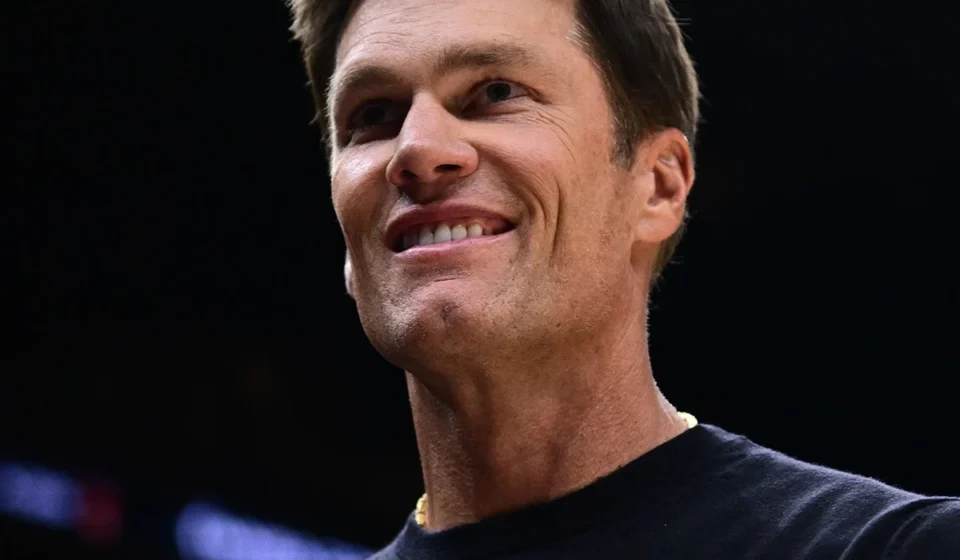

In the evolving landscape of modern celebrity culture, the line between genuine conflict and choreographed spectacle has become increasingly porous. This dynamic was on full display on July 17 at Fanatics Fest in New York City, when NFL legend Tom Brady engaged in an onstage altercation with professional wrestler and social media powerhouse Logan Paul. The incident, which saw the seven-time Super Bowl champion deliver a physical slap to the influencer-turned-wrestler, has ignited a firestorm of speculation regarding the authenticity of their ongoing public rivalry.
As the sports and entertainment worlds collide with greater frequency, the "Brady vs. Paul" narrative serves as a fascinating case study in how high-profile figures leverage conflict to maintain relevance in a digital-first economy.
The Fanatics Fest Incident: A Blow or a Bit?
The incident occurred during a high-energy panel at Fanatics Fest. Following a series of sharp verbal jabs exchanged between the two, the situation escalated when Brady, seemingly losing his patience, slapped Paul across the face in front of a live audience. The shock among onlookers was palpable, yet within hours, the internet began to dissect the move for signs of theatricality.
Brady, never one to shy away from controlling the narrative, took to X (formerly Twitter) shortly after the event. "I tried America," he wrote, addressing the viral clip. He followed up with a jab at the YouTuber, stating, "Will try again next time I see this nerd."
Logan Paul, maintaining his persona as the brash, combative wrestler, retorted on the same platform, condemning Brady’s actions as a "horrible example for the kids." According to Paul, the physical altercation was triggered by his own "roasting" of the quarterback regarding a previous flag football game in which Paul had bested the legend.
The brief, chaotic moment was punctuated by the presence of NBA star Karl-Anthony Towns, who was seen physically stepping between the two men. Towns later shared the clip on social media, accompanied by a wide-eyed emoji, adding a layer of authenticity to the spectacle for those who remained unconvinced.
A Chronology of Conflict: The Impaulsive Precedent
To understand the current tension, one must look back at the documented history between these two disparate titans of industry. The animosity, whether authentic or performative, has been brewing for months, finding its most concentrated expression on the February 10 episode of Paul’s Impaulsive podcast, appropriately titled "Logan Paul TRASH TALKS Tom Brady."
During that appearance—and in subsequent episodes—Paul did not mince words. He challenged the legendary quarterback on the very thing that defined his career: his athletic superiority. "If you put me and Tom Brady up athletically, I bet I’d be more ‘athletic,’" Paul boasted. He further insulted the sanctity of Brady’s sport, noting that while Brady had previously dismissed the WWE as "cute," he found football to be equally trivial.
Paul, leaning into his combat sports background, issued a broader challenge to the NFL elite: "I’m a boxer, and you can probably put most NFL players and basketball players in a ring and they’d probably get their ass kicked by real boxers." This declaration established a clear boundary between the physical discipline of the gridiron and the raw, unscripted violence of the ring—a boundary Brady seems to be testing with his recent behavior.
The Mechanics of Celebrity Beef: Data and Trends
The Brady-Paul saga is not an isolated event but rather the latest chapter in a long-standing tradition of celebrity "feuds" that serve as a primary engine for engagement. In the era of social media, conflict acts as a catalyst for impressions.
When we analyze the trajectory of this "rivalry," we see a distinct pattern:
- Provocation: A disparaging comment or challenge is issued on a podcast or via social media.
- Escalation: Public appearances are used to manifest this tension physically, often in front of an audience or cameras.
- Clarification/Ambiguity: Participants provide vague, teasing comments on social media to ensure the "will-they-or-won’t-they" narrative continues.
This model has been utilized by everyone from reality television stars to global pop icons. By maintaining the ambiguity of whether the feud is "real," Brady and Paul maximize their reach, tapping into the audiences of both professional football fans and the vast, younger demographic that follows Logan Paul’s combat sports career.
The Broader Context: Brady’s Post-NFL Pivot
Since his retirement from the NFL, Tom Brady has undergone a deliberate transformation. No longer just a quarterback, he is becoming a master of the celebrity roast circuit and a high-profile media personality.
His participation in The Roast of Kevin Hart on May 10 was a masterclass in this new branding. Trading his stoic, leader-of-men persona for that of a sharp-tongued provocateur, Brady took aim at fellow celebrities with a level of vitriol that surprised even seasoned comedians. His comments regarding Chelsea Handler and his systematic dismantling of Kevin Hart’s acting career ("Kevin, you’re the third most famous person in Jumanji") proved that Brady is comfortable operating in the "villain" role.
This pivot to entertainment is likely a strategic move to secure his transition into sports broadcasting and production. By leaning into conflict—whether it be roasting comedians or slapping professional wrestlers—Brady is ensuring that he remains at the center of the cultural conversation, a position he occupied for two decades on the field.
Implications for Celebrity Culture
The implications of this incident are significant. For one, it highlights the professionalization of the "celebrity feud." When influencers and athletes enter the ring or the stage, they are not merely acting on impulse; they are executing a content strategy.
Furthermore, the involvement of other celebrities, such as Karl-Anthony Towns, suggests that these moments are increasingly being treated as "tentpole" events in the industry. The fact that professional organizations like Fanatics Fest provide the stage for such theatrics indicates that the industry recognizes the value of high-stakes, high-drama interactions.
However, the risk remains. As fans become more media-literate, the "staged" nature of these interactions can sometimes lead to audience fatigue. If the audience begins to perceive every interaction as a pre-planned promotional stunt, the weight of the spectacle diminishes.
Lessons from History: Feuds That Defined the Industry
To better understand the current landscape, it is helpful to look back at other high-profile feuds that have shaped public perception of celebrities.
- Taylor Swift vs. Kanye West: Perhaps the most enduring modern feud, it transitioned from a spontaneous 2009 VMA interruption to a years-long saga involving music, recorded phone calls, and complex narrative arcs.
- Mariah Carey vs. Jennifer Lopez: A legendary example of the "shade" era, where a simple "I don’t know her" comment became an iconic cultural moment that lasted for decades.
- The Hills (Heidi Montag vs. Lauren Conrad): A quintessential reality TV feud that effectively launched the careers of its participants by blurring the lines between personal friendship and televised drama.
- Sharon Osbourne vs. Ashton Kutcher: A reminder that some feuds are born of genuine, unfiltered personality clashes, often rooted in professional misunderstandings.
Each of these examples shares a common thread: they were sustained by public interest and often fueled by the participants’ willingness to keep the story alive through continued public commentary.
Conclusion: What’s Next for Brady?
Whether the slap heard ‘round the world at Fanatics Fest was a genuine expression of frustration or a carefully orchestrated moment of viral marketing remains a point of contention. What is certain is that Tom Brady, now 48, has successfully shed the constraints of his NFL career to embrace a more volatile, unpredictable, and highly visible public persona.
As he continues his transition into his post-football life, we can expect more such incidents. Whether it is roasting A-list comedians or engaging in physical banter with professional wrestlers, Brady is proving that he is more than capable of thriving in the theater of the absurd.
For fans, the lesson is simple: in the world of modern celebrity, believe what you see, but never assume it’s the whole story. The game has changed, the arena has shifted, and the G.O.A.T. is simply playing by a new set of rules. As the digital dust settles on the Fanatics Fest incident, one thing is clear—Tom Brady is still looking for the next challenge, and he’s more than willing to reach out and slap it in the face to get it.