The Sound of Suspense: Behind the Scoring of Netflix’s Transnational Thriller ‘The Blue Road’

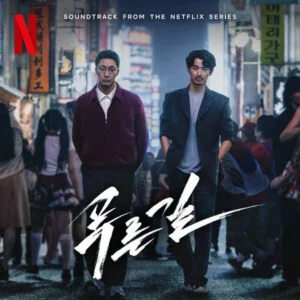
The landscape of global television is shifting, and Netflix’s latest limited series, The Blue Road, stands as a definitive marker of this evolution. Following its highly anticipated premiere, the streaming giant has officially released the accompanying soundtrack, a sprawling, atmospheric collection of scores that mirrors the series’ complex narrative of borders, crime, and hidden truths. Composed primarily by the acclaimed South Korean producer Primary (Choi Dong-hoon), the album offers an auditory glimpse into the tension-filled world of a series that has already begun to captivate audiences worldwide.
Main Facts: A Transnational Crime Epic
The Blue Road is an eight-part crime thriller directed by Han Jun-hee—the visionary behind the acclaimed series D.P. and Weak Hero. The series, which debuted on Netflix yesterday, serves as a high-stakes, cross-border investigation that forces two disparate detectives to work in tandem. As they chase a series of brutal, ritualistic murders, they uncover cryptic messages that transcend national boundaries, leading them toward a truth that is far more personal and dangerous than they initially anticipated.
The series boasts a formidable pan-Asian cast, featuring South Korean powerhouses Son Sukku, Jung Jae-young, and Choi Sung-eun, alongside Japanese stars Eita Nagayama and Kentaro Sakaguchi, with Kim Shin-rock rounding out the ensemble. This international collaboration is reflected in the series’ score, which bridges the gap between South Korean hip-hop sensibilities and traditional suspense-laden orchestration.
The soundtrack, now available on all major digital streaming platforms including Amazon Music, serves as the heartbeat of the show. It features a sophisticated blend of compositions by Primary, who is joined by collaborators Idoo and Choi won hee, creating a sonic landscape that fluctuates between the high-octane adrenaline of a manhunt and the quiet, melancholic dread of a cold case.
Chronology: From Concept to Global Release
The development of The Blue Road has been a closely guarded secret within the Korean production circuit. Following the immense success of D.P., director Han Jun-hee sought to expand his scope by tackling a narrative that required a dialogue between different cultural identities—specifically the shared history and friction between Korea and Japan.
Pre-Production and Scoring
The scoring process began mid-way through the principal photography phase. Primary, known for his ability to fuse soulful rhythm with dark, cinematic undertones, was brought on board to establish the show’s "sonic identity." Unlike typical procedural dramas that rely on generic orchestral swells, The Blue Road demanded something grittier. Primary worked closely with director Han to ensure that the music did not merely underscore the action but provided a layer of psychological insight into the characters.
Post-Production and Finalization
As the show entered post-production in late 2026, the final mixing of the soundtrack became a priority. The inclusion of tracks like "Siren" (Hangzoo & Primary) and "Slider" (Primary) demonstrates a clear intent to move away from the traditional, cinematic soundscape of crime dramas toward a more contemporary, beat-driven experience. The final tracklist was curated to mirror the progression of the series, starting with the thematic ambiguity of "Blue Road" and concluding with the reflective, lingering notes of "Arigato."
Supporting Data: An In-Depth Look at the Soundtrack
The 30-track album provides a comprehensive look at the range of the creative team. The music is divided into vocal-heavy atmospheric tracks and purely instrumental score pieces that function as narrative punctuation.
Thematic Breakdown of the Score
The album structure is highly intentional, mirroring the eight-episode arc of the series:
- Vocal Collaborations: Tracks such as "Blue Road" (Meego & Primary) and "Siren" (Hangzoo & Primary) serve as the show’s narrative bookends. These pieces utilize modern production techniques to establish the "mood" of the series—tense, urban, and perpetually on the edge of a breakdown.
- The Instrumental Pulse: Composers Idoo and Choi won hee provide the structural foundation for the show’s suspense. "String Theme" and "Tension Theme" are quintessential examples of how the score builds anxiety, utilizing minimalist string arrangements to highlight the detectives’ isolation.
- Geographic Signaling: Tracks like "Investigate Shinjuku," "Yakuza," and "Old City" act as auditory markers for the setting, blending traditional Japanese instruments with modern, dissonant electronics to emphasize the cultural clash within the plot.
| Track Category | Primary Composers | Purpose |
|---|---|---|
| Narrative Themes | Primary, Meego, Hangzoo | Establishes the core emotional conflict |
| Tension/Action | Primary, Choi won hee | Underlines high-stakes investigative scenes |
| Atmospheric/Setting | Idoo, Primary | Defines the urban landscape of the thriller |
Official Responses and Creative Vision
In recent discussions regarding the series, director Han Jun-hee emphasized the necessity of a "borderless sound." He noted that the collaboration with Primary was essential to capturing the feeling of the "Blue Road"—a metaphorical path where the laws of one nation end and the chaos of the underworld begins.
"Primary’s ability to take the cold, clinical reality of a murder investigation and inject it with a sense of modern, pulsing rhythm was exactly what we needed," says a representative from the production team. "The music isn’t just background noise; it is a character in its own right. When the detectives are at their lowest point, the music shifts to a more stripped-back, acoustic feel, as seen in tracks like ‘My Story’ and ‘The Room’."
The reception to the music has been largely positive, with fans of the D.P. franchise praising the departure from traditional orchestral tropes. Music critics have highlighted the track "Emi" as a standout moment in the score, noting its ability to balance melodic beauty with an underlying sense of unease.
Implications: The New Standard for Global Thrillers
The success of The Blue Road soundtrack, and the series itself, has significant implications for the future of international co-productions on Netflix.
The Globalization of Korean Noir
By casting Japanese actors and utilizing a score that blends genres, Netflix is effectively deconstructing the "K-Drama" label. The Blue Road is not just a Korean drama; it is a regional powerhouse that prioritizes a shared narrative language over localized content. This approach to production—where the music, the cast, and the setting are all deliberately transnational—is likely to become the blueprint for future Netflix original series originating from Asia.
The Role of the Composer as a Brand
Primary’s involvement acts as a bridge between the music industry and the film industry. By releasing the soundtrack as a standalone album—complete with high-profile guest vocalists—Netflix is treating the show’s score as a product, not just a supporting element. This trend acknowledges that viewers are increasingly seeking immersive experiences that extend beyond the screen, often looking for the music of a series to act as a permanent record of their viewing experience.
Final Thoughts
As The Blue Road continues to climb the Netflix global charts, the soundtrack serves as the ultimate companion piece for the viewer. Whether it is the frantic pace of "Run Road" or the contemplative weight of "The Beginning," the music encapsulates the essence of a series that refuses to be confined by borders. For those who have already begun the binge-watch, the album provides a necessary, chilling, and deeply rewarding auditory journey through the heart of the series’ darkest mysteries.
The soundtrack is available now for streaming and digital download, marking a new chapter in the ongoing success story of Korean creative talent on the global stage. As audiences dive deeper into the series, they will find that the "Blue Road" is not just a place on a map, but a haunting, rhythmic, and masterfully composed experience that stays with the listener long after the final credits roll.