
The sprawling, high-budget landscape of J.R.R. Tolkien’s Middle-earth has once again returned to the small screen, but for Prime Video’s The Lord of the Rings: The Rings of Power, the journey is becoming increasingly perilous. As the series enters its third season, the immense creative pressure to bridge the gap between the Second Age and the iconic trilogy of Peter Jackson is palpable. Despite boasting the highest production budget in television history and a dedicated creative team led by showrunners J.D. Payne and Patrick McKay, the series finds itself at a crossroads—caught between the grandeur of its source material and a narrative structure that continues to struggle under its own weight.
The State of the Narrative: A Summary of Middle-earth’s Latest Chapter
Season 3 of The Rings of Power arrives with the heavy burden of expectation. Following a debut season that struggled to find its footing and a sophomore effort that refined its darker, more aggressive tone, this latest installment was widely anticipated to be the point where the series finally cemented its identity. Instead, viewers are met with a season that encapsulates both the brilliance and the bloat of the show.
The central tension of the season is, predictably, the forging of the One Ring—the doomsday event that serves as the narrative North Star for the entire series. However, the path to this iconic moment is paved with erratic pacing and a disjointed collection of subplots that struggle to maintain momentum. While the technical artistry remains unparalleled, the storytelling often feels stretched thin, leaving audiences wondering if the series is losing its grasp on the very magic it seeks to capture.
Chronology of a Fragmented Story
The narrative timeline of Season 3 begins five years after the conclusion of the previous season. As Galadriel’s expositional narration establishes, the world of Middle-earth is in a state of rapid decay. Sauron’s forces are no longer a shadowy threat but a looming, active army, forcing the Elves into a defensive posture with their own rings.
Key Narrative Beats:
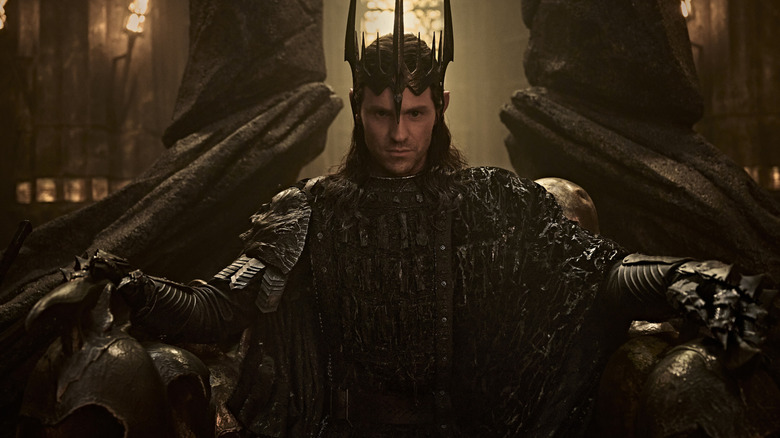
- The Sauron Arc: Charlie Vickers continues to be the show’s greatest asset. His portrayal of the Dark Lord—alternating between chilling cruelty and calculated manipulation—remains the most compelling aspect of the season. His internal monologues and his relentless pursuit of power provide the narrative with a much-needed sense of theatricality.
- The Celeborn Arrival: The long-awaited introduction of Celeborn, played by Jamie Campbell Bower, provides a significant emotional anchor for Galadriel, adding a layer of complexity to her character arc.
- The Khazad-dûm Detour: The political intrigue within the Dwarven halls, while visually striking, often feels like a "misguided detour." Despite strong performances from Owain Arthur and Sophia Nomvete, these scenes fail to integrate effectively into the broader conflict.
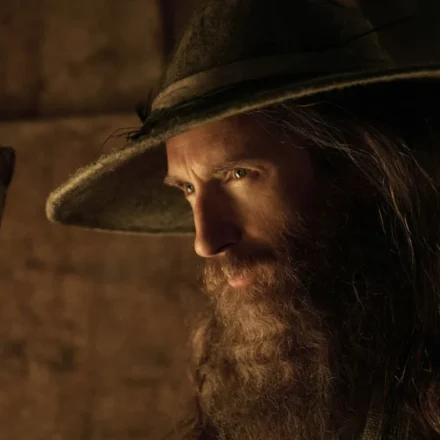
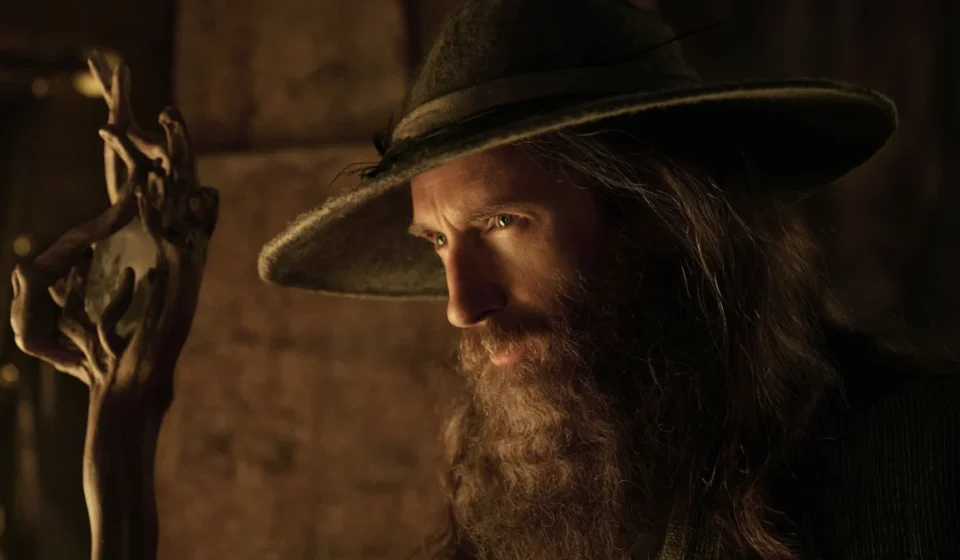
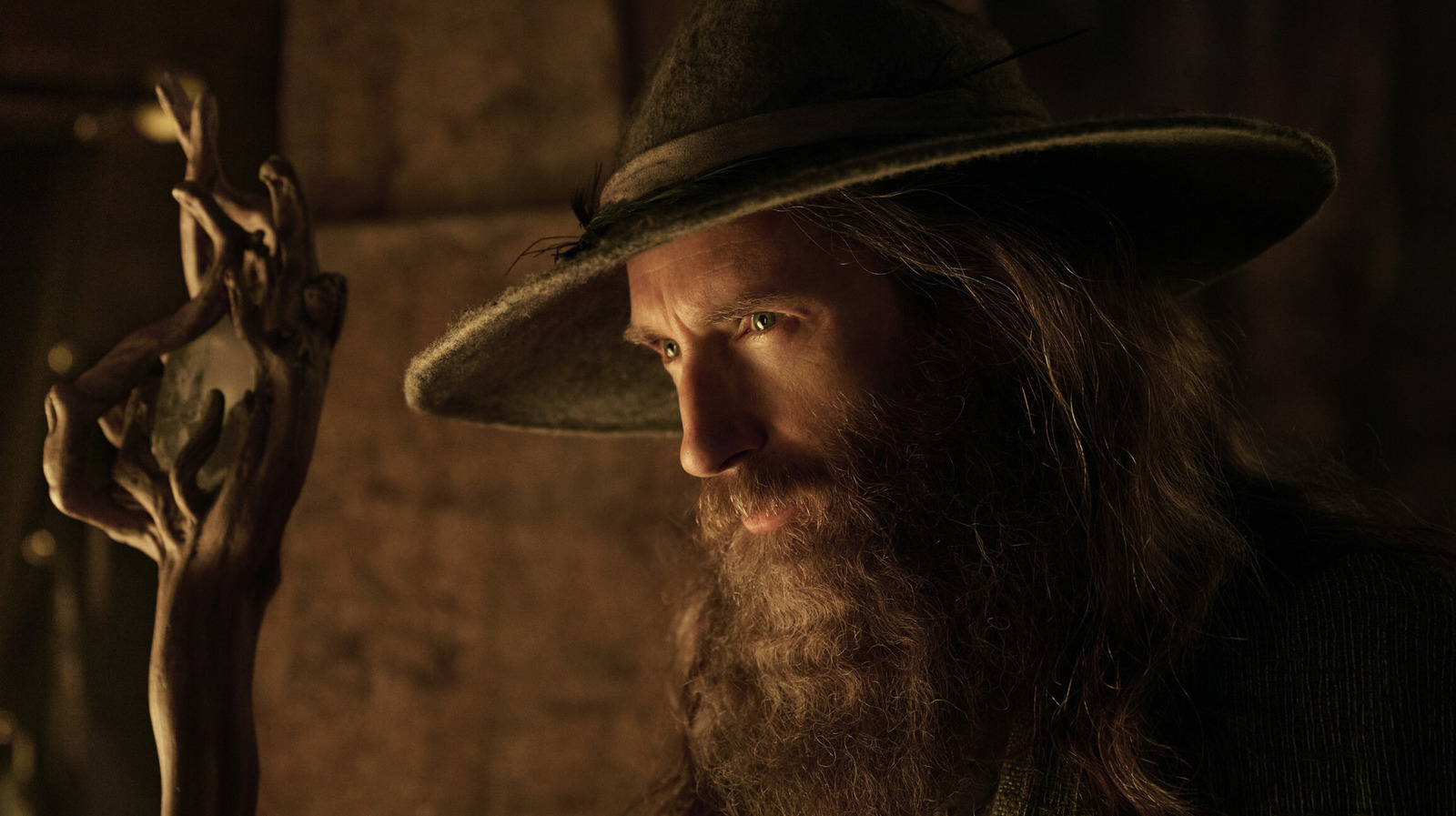
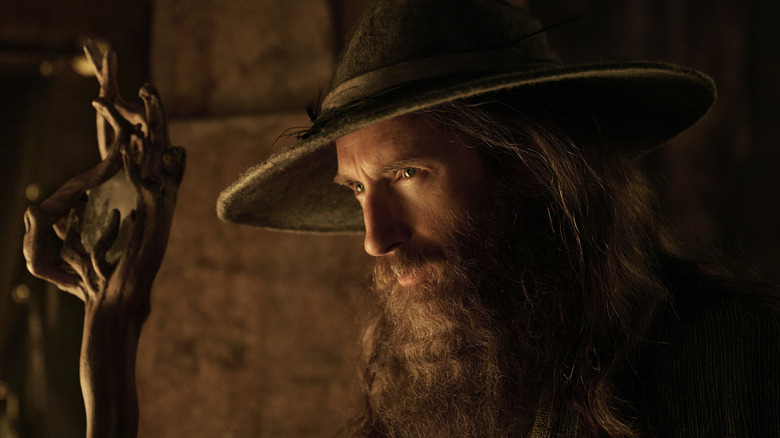
- The Desert of Rhûn: The ongoing mystery involving Gandalf and the Dark Wizard continues to simmer, yet it remains largely isolated from the events in Eregion and Mordor, contributing to the sense of a fragmented narrative.
Supporting Data and Production Context
To understand why Season 3 struggles, one must look at the structural choices made by the production team. Amazon’s decision to compress eight episodes into a three-week release window has sparked debate among industry analysts and fans alike. While this "binge-plus" strategy attempts to generate sustained conversation, it inadvertently highlights the pacing issues inherent in the script.
The Numbers Behind the Myth
- Budgetary Scope: With production costs reportedly exceeding $1 billion over five seasons, the expectation for world-building is immense. Visually, the series delivers, utilizing top-tier CGI and practical effects that make it arguably the most cinematic show currently on streaming platforms.
- The Ensemble Problem: By attempting to service too many locations simultaneously—Mordor, Khazad-dûm, Númenor, and the deserts of Rhûn—the show loses its narrative focus. Even with the removal of the Harfoot storylines, the cast remains bloated, preventing deeper character development.
- The Critical Consensus: With a current rating of 5 out of 10 from critics, the consensus suggests that the show is a technical masterpiece that fails to land its emotional beats, leaving a "creeping feeling that time is finally starting to run out."
Official Perspectives and Creative Direction
Showrunners J.D. Payne and Patrick McKay have consistently maintained that The Rings of Power is a five-season project. This long-term roadmap is designed to allow the story to unfold with "Tolkienesque" patience. However, in the fast-paced world of modern streaming, the luxury of patience is rarely granted.
During recent press junkets, the creative team has emphasized that Season 3 was intended to be a "reset." By trimming the ensemble and focusing on the moral erosion of key characters, they hoped to tighten the focus. While they successfully removed some of the more extraneous elements from previous seasons, critics argue these are "half-measures." The core issue remains: the show prioritizes grand concepts over intimate, character-driven storytelling, making the high-stakes drama feel surprisingly abstract.
Implications for the Future of the Franchise
The implications for the future of Middle-earth on television are significant. If Season 3 serves as the midpoint of the intended five-season arc, the series is currently failing to generate the cultural momentum required to sustain such a massive investment.
The Risk of Disconnection
The primary danger for Amazon is the alienation of both casual viewers and Tolkien purists. Casual viewers are often lost in the sheer volume of lore and the slow pacing, while purists remain divided by the show’s deviations from established canon. By failing to provide a consistent "hook" beyond the name "The Lord of the Rings," the series risks becoming a prestige project that is admired for its beauty but ignored for its substance.
The Path Forward
To regain its footing in seasons four and five, the show must prioritize:
- Narrative Convergence: The disparate plot threads must begin to impact one another more directly. The feeling that the characters are in different shows must be eliminated.
- Emotional Stakes: The abstract threat of the One Ring must be grounded in the personal lives of the characters. We need to see the cost of Sauron’s rise on the people of Middle-earth, not just hear about it in exposition.
- The Sauron Leverage: Lean into the character-driven villainy that is currently carrying the show. If the audience is rooting for the villain, it is time for the heroes to offer a more compelling counter-narrative.
Final Assessment: A Golden Cage
The Rings of Power is currently trapped in a golden cage of its own making. It is visually stunning, technically brilliant, and fueled by a genuine love for Tolkien’s world. However, it lacks the narrative urgency and emotional intimacy required to make the audience care about the outcome of the Second Age.
As the series approaches its final two seasons, the question is no longer whether the show can look like a masterpiece, but whether it can feel like one. Time, as the series itself notes, comes for us all—including the Dark Lord. For Amazon’s epic, the clock is ticking, and the window for a genuine, resonant recovery is closing rapidly.
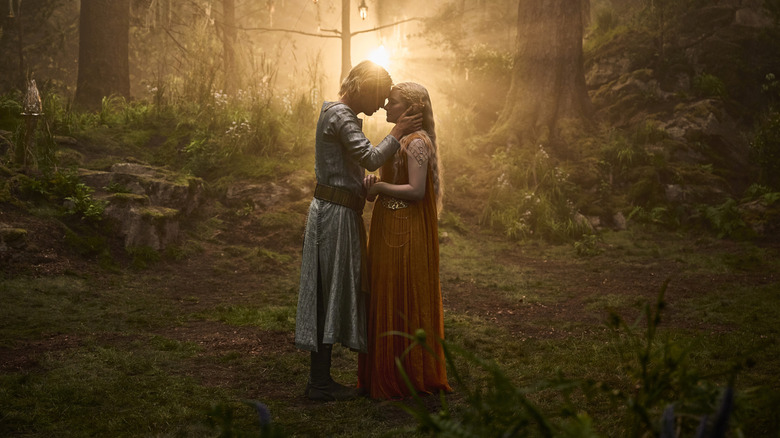
Season 3 of "The Lord of the Rings: The Rings of Power" premieres with four episodes on November 11, 2026, exclusively on Prime Video.