The High-Octane Paradox: Analyzing ‘The Mongoose’ and the Evolution of the Fugitive Folk Hero

The cinematic landscape has long been fascinated by the "outlaw on the road"—the fugitive who, through a combination of skill, circumstance, and a powerful engine, transforms from a common criminal into a media-driven folk hero. This tradition, rooted in the counter-culture grit of the 1970s, finds its latest entry in The Mongoose. Directed by veteran stunt coordinator Mark Vanselow and starring the perennial action icon Liam Neeson, the film attempts to bridge the gap between high-speed vehicular action and a poignant tribute to American veterans. However, as the dust settles on its high-speed chases, the film reveals a narrative that is as much a sleek commercial for automotive power as it is a simplified exploration of post-war trauma.
Main Facts: A Pedigree of Action and Advocacy
The Mongoose serves as the directorial debut for Mark Vanselow, a name well-known in Hollywood circles as Liam Neeson’s long-time stunt double and collaborator on projects such as The Naked Gun and the Taken franchise. This transition from stunt coordination to the director’s chair is evident in the film’s DNA; it prioritizes physical choreography and vehicular sequences over nuanced character studies.
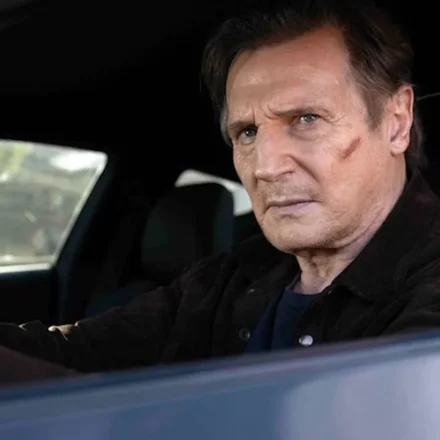
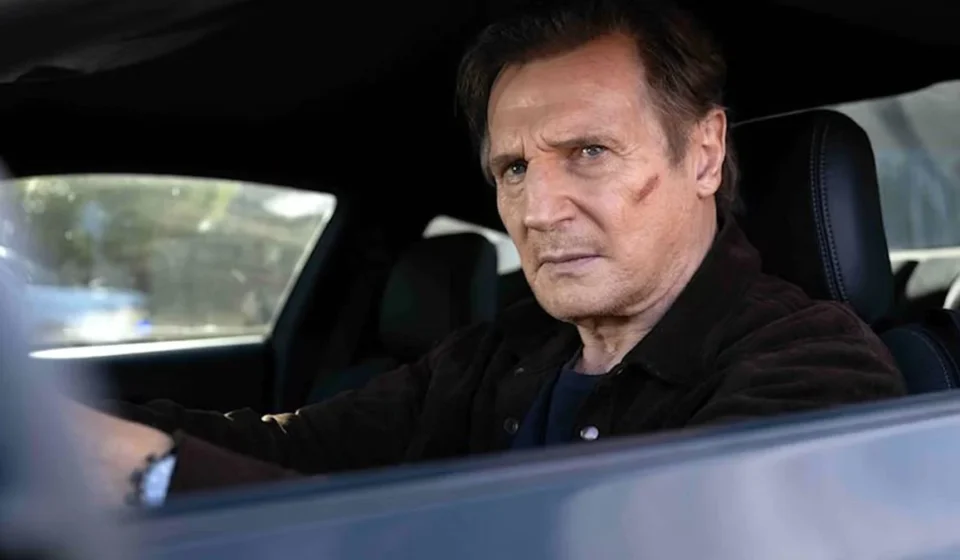
The film stars Liam Neeson as Ryan “Fang” Flanagan, a former Special Forces commander. The narrative is built upon a screenplay by Thompson Evans, which blends the "man on the run" trope with the "disenfranchised veteran" archetype. Supporting Neeson is a high-caliber ensemble including Academy Award winner Marisa Tomei as his ex-wife Tara, Ving Rhames as his loyal war-time comrade Tanker, and Michael Chiklis as the relentless Major Walter Pope.
The primary "character" alongside Neeson is a Shelby Super Snake, a high-performance muscle car that serves as Flanagan’s vessel for both escape and redemption. The film aims to pay homage to 1970s classics like Vanishing Point and The Sugarland Express, while also nodding to the "returned soldier" exploitation films like Rolling Thunder and First Blood. Yet, where those predecessors often wallowed in moral ambiguity and societal critique, The Mongoose opts for a more streamlined, "honor the troops" sentimentality.
Chronology: From Afghanistan to the Arkansas Asphalt
The narrative structure of The Mongoose employs an in medias res opening, thrusting the audience directly into a high-stakes roadblock evasion before circling back to provide context.
The Catalyst: 2005 Afghanistan
The story begins with a harrowing flashback to 2005. Ryan “Fang” Flanagan leads a Special Forces unit in a desperate escape from captivity. Alongside his teammates Tanker (Rhames) and Munch (Marcus Thomas), Fang manages to outmaneuver their captors. However, the victory is hollow, as the escape costs the life of their comrade, Wiz (Ryan Morgan). This event serves as the foundational trauma for Fang, establishing the PTSD that haunts him two decades later.
The Present: A Domestic Dispute Turned Deadly
In the present day, Fang is a man living on the fringes of the life he once knew. His marriage to Tara (Tomei) has dissolved, though a mutual respect remains. The plot is set in motion when Tara calls Fang from a hospital, having been physically abused by her current partner, a powerful and arrogant lawyer named Todd (Brett Tucker).
Against Tara’s wishes for peace, Fang travels to Todd’s Arkansas mansion to retrieve her belongings. The confrontation escalates rapidly when Todd arrives, armed and aggressive. In the ensuing struggle, Fang’s combat instincts take over, resulting in Todd’s accidental death. Faced with a legal system that may not favor a "broken" veteran and with his own vehicle disabled, Fang commandeers Todd’s red Shelby Super Snake and begins his flight toward the Texas border.
The Pursuit: A Tale of Two Lawmen
The chase begins with a degree of empathy. James Tilton (Maurice Marvel Meredith), a former Marine, leads the initial pursuit. Recognizing Fang’s service and psychological state, Tilton attempts to de-escalate the situation, offering Fang a chance to surrender with dignity.
However, the tone shifts as Fang crosses state lines. The pursuit is taken over by Major Walter Pope (Michael Chiklis), a man who views Fang not as a hero in crisis, but as a target to be neutralized. As Fang races toward a vague hope of freedom, he enlists the technical help of "Helene" (Stella Stocker), the Shelby’s sophisticated AI assistant, and the logistical support of his former brothers-in-arms, Tanker and Munch.
Supporting Data: The Mechanics of a Media Sensation
One of the film’s most distinct narrative choices is its use of real-world media figures to ground the fiction. CNN anchor Laura Coates plays herself, providing a running commentary on Fang’s flight. This stylistic choice serves several functions:
- Expository Narrative: Coates’ reporting fills in the gaps of Fang’s military record, Todd’s questionable legal ethics, and Major Pope’s history of professional misconduct.
- Public Sentiment: The film depicts a world where the public, fueled by 24-hour news cycles, quickly aligns with the fugitive. Fang becomes a viral sensation, with civilians offering him fuel and roadblocks of their own to hinder the police.
- The "Hero" Filter: By having a reputable journalist narrate the "facts" of Fang’s innocence and the victim’s villainy, the film removes any need for the audience to grapple with the morality of Fang’s actions.
Technically, Vanselow utilizes desaturated filters and rapid-fire editing to depict Fang’s PTSD episodes. While these sequences aim to provide depth, they often contrast sharply with Neeson’s performance. Neeson plays Fang as an even-tempered, almost jovial figure—at one point even taking a moment to gently coax a cat from under a bed. This "nice guy" persona, while making the character likable, arguably undermines the gravity of the psychological damage the film claims he is suffering from.
Production Perspectives: Stunts, Stars, and Subtext
While official studio statements often focus on the "pulse-pounding action," the creative choices made by Vanselow and Evans offer a deeper look into the film’s intent.
The Stunt-First Approach: Given Vanselow’s background, the film’s reliance on practical vehicular stunts is its strongest suit. The Shelby Super Snake is filmed with a reverence usually reserved for leading ladies, and the choreography of the high-speed chases avoids the over-reliance on CGI that plagues many modern action films.
The Tomei Factor: Critics have noted that Marisa Tomei "overdelivers" in a role that is essentially a sounding board for the male protagonist. Her performance provides the film’s only real emotional tether, grounding Fang’s motivations in something more tangible than just a desire to keep driving.
The Chiklis Antagonist: Michael Chiklis provides a necessary foil to the "saintly" veteran archetype. By playing Major Pope as an out-and-out villain who relishes the use of excessive force, the film simplifies the conflict into a binary of good vs. evil, ensuring the audience never questions who to root for.
Implications: The Legacy of the "Bland Tribute"
The Mongoose arrives at a time when the "Liam Neeson Action Subgenre" has become its own industry. While the film successfully delivers the kinetic energy expected of its star and director, its implications for the "fugitive folk hero" genre are more complicated.
The Erosion of Ambiguity
Classic films like Vanishing Point were successful because they reflected a genuine distrust of authority and a complicated view of American masculinity. In contrast, The Mongoose is so committed to "honoring the troops" that it strips the protagonist of any meaningful conflict. When Fang demands "racial harmony" during a police negotiation, it feels less like a character trait and more like a scriptwriter ensuring the hero is beyond reproach.
The Commercialization of PTSD
The film uses military trauma as a convenient plot device to explain Fang’s driving skills and his decision to flee, but it fails to explore the reality of the condition. By the film’s conclusion, Fang is vindicated by the "court of public opinion," suggesting that being a "war hero" is a blanket justification for any action, including those that result in loss of life.
Conclusion: Muscle Without Heart
Ultimately, The Mongoose is a film of high technical proficiency and low narrative ambition. It functions as a competent action vehicle for Neeson and a showcase for Vanselow’s stunt expertise. However, in its attempt to pay tribute to the men and women of the military, it provides a surface-level homage that lacks the "heart" found in the very 1970s classics it seeks to emulate. While it honors the sacrifice of veterans in word, its script fails to give them the complexity and humanity they deserve, resulting in a film that is fast, loud, and ultimately, somewhat hollow.