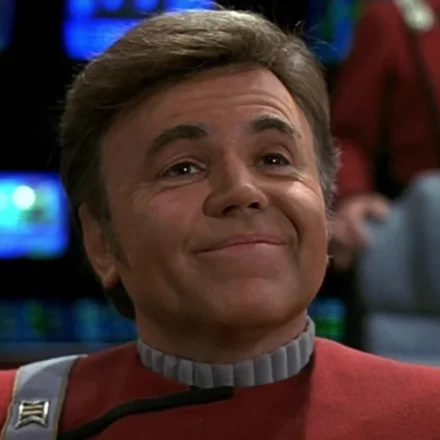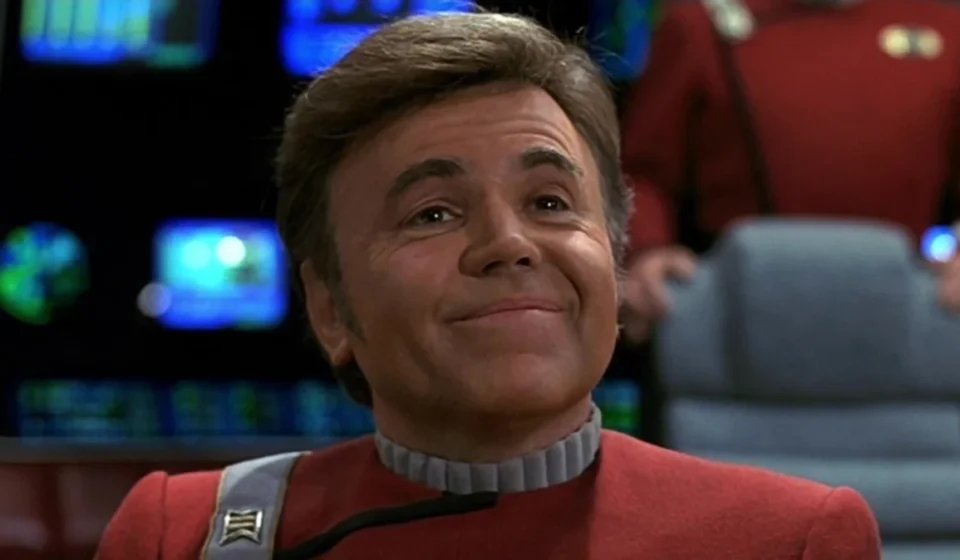

In the vast, interconnected tapestry of the Star Trek universe, few figures remain as endearing and historically significant as the late Walter Koenig. As the actor who brought the youthful, earnest Pavel Chekov to life in Star Trek: The Original Series (TOS), Koenig’s contributions to science fiction are foundational. Yet, for decades, a persistent question lingered among the franchise’s most ardent fans: why did the Original Series cast, specifically Koenig, not have a more substantial presence in the 1987 successor, Star Trek: The Next Generation (TNG)?
As it turns out, the answer lies in a combination of creative friction, the changing guard of Hollywood production, and Koenig’s own professional aspirations. While other legends of the bridge found their way back to the future, Koenig held a specific vision for his return—a vision that was ultimately sidelined, only to be realized in a truncated, symbolic form decades later.
Main Facts: The "TOS" Exodus and the TNG Transition
When Star Trek: The Next Generation premiered in 1987, it faced the daunting task of establishing its own identity while remaining tethered to the legacy of Captain Kirk and his crew. To bridge this gap, producers incorporated several "legacy" cameos. DeForest Kelley’s Dr. McCoy appeared in the pilot, "Encounter at Farpoint," providing a passing-of-the-torch moment for Data. Mark Lenard, James Doohan, and even Leonard Nimoy followed suit in later seasons, integrating the lore of the past into the narrative of the 24th century.
However, the absence of Walter Koenig was glaring. While his peers were occasionally utilized as historical touchstones, Koenig remained on the periphery of the TNG era, appearing only in the 1994 film Star Trek: Generations. But the reason for this absence wasn’t a lack of interest on the actor’s part. Koenig, who viewed his character arc in the original series as being frequently relegated to the background, was adamant that any return to the franchise had to offer more than just a nostalgic "walk-on."
Chronology: A History of Missed Opportunities
The desire for a meaningful return was well-documented. In an October 1989 interview with Starlog magazine, a pivotal publication for science fiction fandom at the time, Koenig laid out a specific, ambitious pitch for his inclusion in the TNG universe. He did not want to reprise the role of Pavel Chekov as a geriatric officer or a mere cameo prop.
"I don’t want to do a walk-on," Koenig famously stated. "I have an idea for an opening moment. Somebody has just come aboard the ship. They’re talking about him in general. He turns around and it’s [my] face. They say, ‘Well, Commander Chekov.’ ‘No,’ I say, ‘Lt. Commander Chekov, Pavel Chekov’s son.’ It’s a great opening."
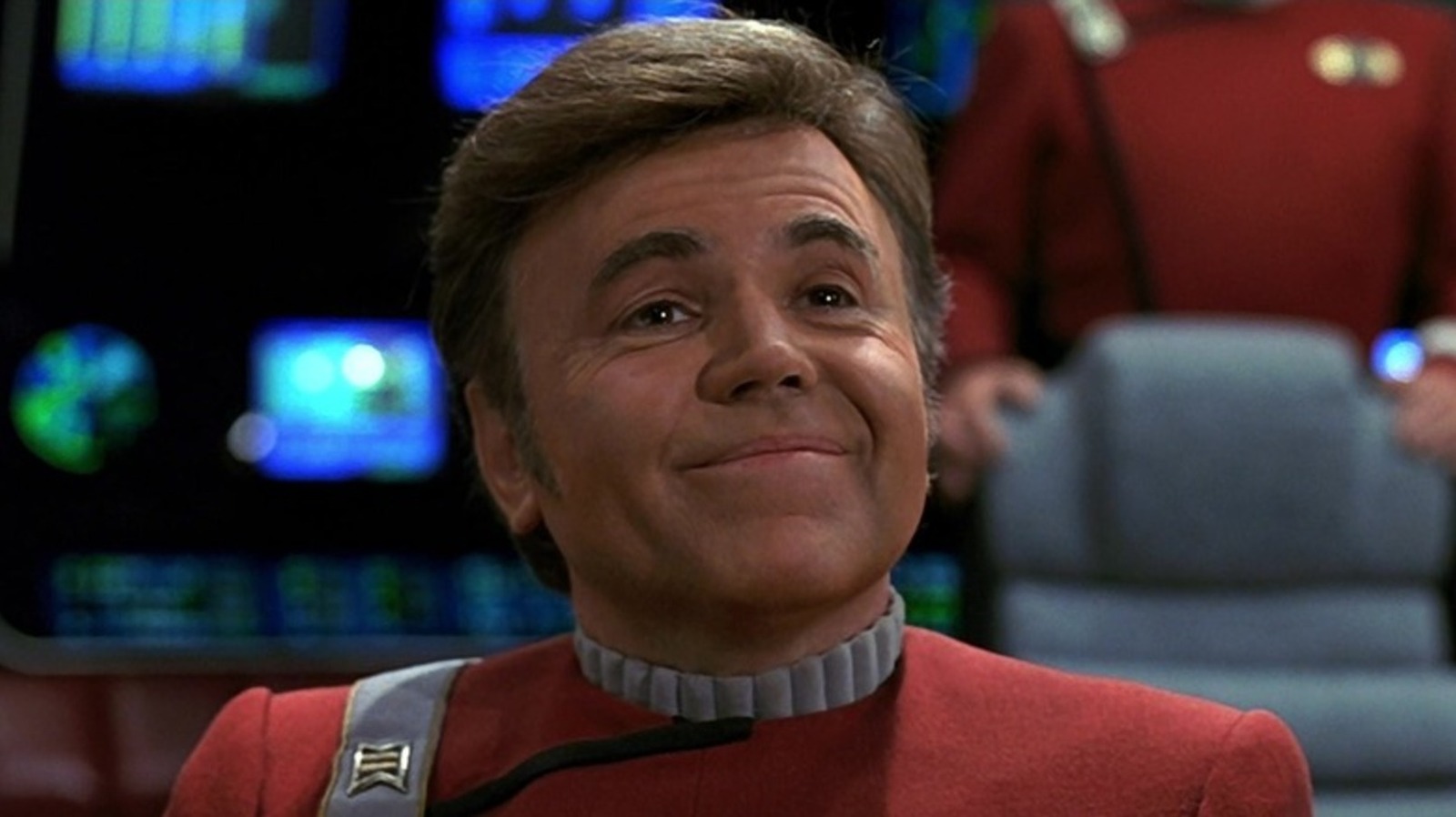
This pitch highlights a sophisticated understanding of serialized storytelling. Koenig recognized that The Next Generation was an ensemble piece that needed to honor the past while forging a future. By introducing a new generation of the Chekov family, he would have provided a narrative bridge between the 23rd and 24th centuries, effectively maintaining the "Trek" lineage without tethering the new show to the original crew’s physical limitations.
However, the pitch never materialized. The production team of TNG, focused on carving out a distinct space for the Enterprise-D crew, opted for nostalgic guest appearances rather than incorporating legacy characters as permanent or recurring cast members.
Supporting Data: The Professional Evolution of Walter Koenig
To understand why Koenig was so insistent on a "meaty" role, one must look at his career trajectory following the cancellation of Star Trek. Unlike some of his co-stars who found themselves typecast, Koenig sought depth. His later performance as the sinister, complex psychic Alfred Bester in the 1990s series Babylon 5 is widely regarded as one of his greatest achievements.
In Babylon 5, Koenig was given the opportunity to play a character with genuine moral ambiguity and significant narrative weight. This experience solidified his belief that his work as an actor should be defined by substance rather than the repetition of his most famous role. In the context of his 1989 Starlog interview, it becomes clear that Koenig felt underutilized during his time on the original Star Trek.
His tenure as Chekov was famously marred by a lack of character development. Even in the films, he was often sidelined. A notable example is his performance in Star Trek II: The Wrath of Khan. The script relied on a massive continuity error—Khan recognizes Chekov despite Chekov not being present during the original episode "Space Seed." Koenig famously noted this error to the production staff but, recognizing the rare opportunity to have a significant role in a major film, he chose to remain silent. This anecdote underscores the tension between Koenig’s desire for professional integrity and his pragmatic reality as a working actor.
Official Responses and Production Realities
The production philosophy of Star Trek: The Next Generation was notoriously protective. Creator Gene Roddenberry and the executive producers wanted the new crew to stand on their own merits. While they invited legacy actors to return for special episodes, there was an unspoken rule that the TNG cast—Patrick Stewart, Jonathan Frakes, Brent Spiner, and others—must remain the focus.
Furthermore, the "Chekov’s Son" pitch, while creative, would have required a long-term commitment or at least a multi-episode arc, which would have complicated the show’s established casting structure. At the time, the Star Trek franchise was still experimenting with how much of its past it could safely carry forward without overshadowing its present.
It wasn’t until the final season of Star Trek: Picard (2023) that the franchise finally nodded to Koenig’s creative vision. The show utilized a voiceover cameo of Koenig as Anton Chekov, the son of Pavel and the President of the Federation. This was a deliberate, poignant tribute—not only to the character of Pavel Chekov but also to the late Anton Yelchin, who had portrayed the younger version of the character in the 2009 reboot films.
Implications: What Might Have Been
The fact that Koenig’s vision was only realized as a brief, late-stage Easter egg raises questions about how the franchise treated its foundational talent. Had Koenig’s pitch for "Lt. Commander Chekov" been accepted in 1989, it could have set a precedent for a more fluid, multi-generational approach to the Star Trek canon. It might have allowed for a more organic transition between the eras, blending the wisdom of the old guard with the exploration of the new.
Ultimately, Koenig’s career proves that an actor’s legacy is defined by their range, not just their most iconic role. His transition from the naive navigator of the 1960s to the complex, malevolent Bester of the 1990s showcases a performer who refused to be limited by the constraints of a single bridge.
The story of the "Chekov son" pitch serves as a fascinating footnote in television history. It reveals a man who was deeply invested in the lore of the world he helped build, yet possessed the creative vision to see where that world could go next. While the producers of the 1980s may have missed the chance to capitalize on that specific narrative thread, the enduring appreciation for Koenig’s work—both as Chekov and beyond—continues to grow.
As Star Trek continues to expand into new iterations and timelines, the lesson remains: the legacy of the franchise is best served not just by repeating the past, but by listening to the creators who helped define it. Walter Koenig may not have received the substantial, recurring role he envisioned in 1989, but his impact on the series, his advocacy for his characters, and his refusal to be a mere "walk-on" ensured that he remained a vital, respected pillar of the science fiction community until his final days.