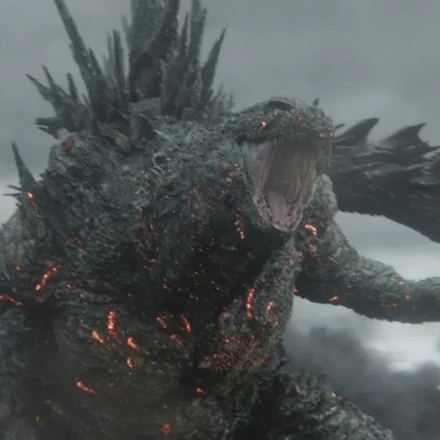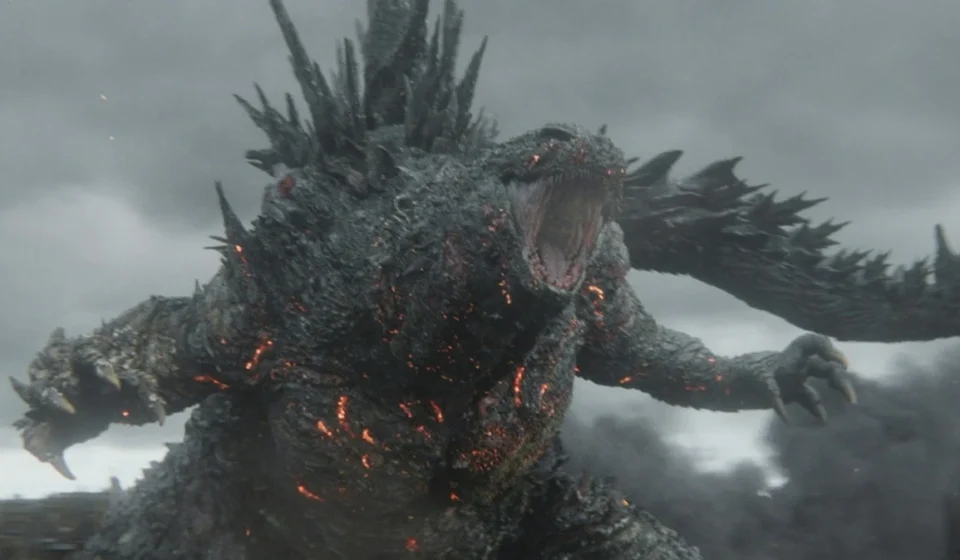

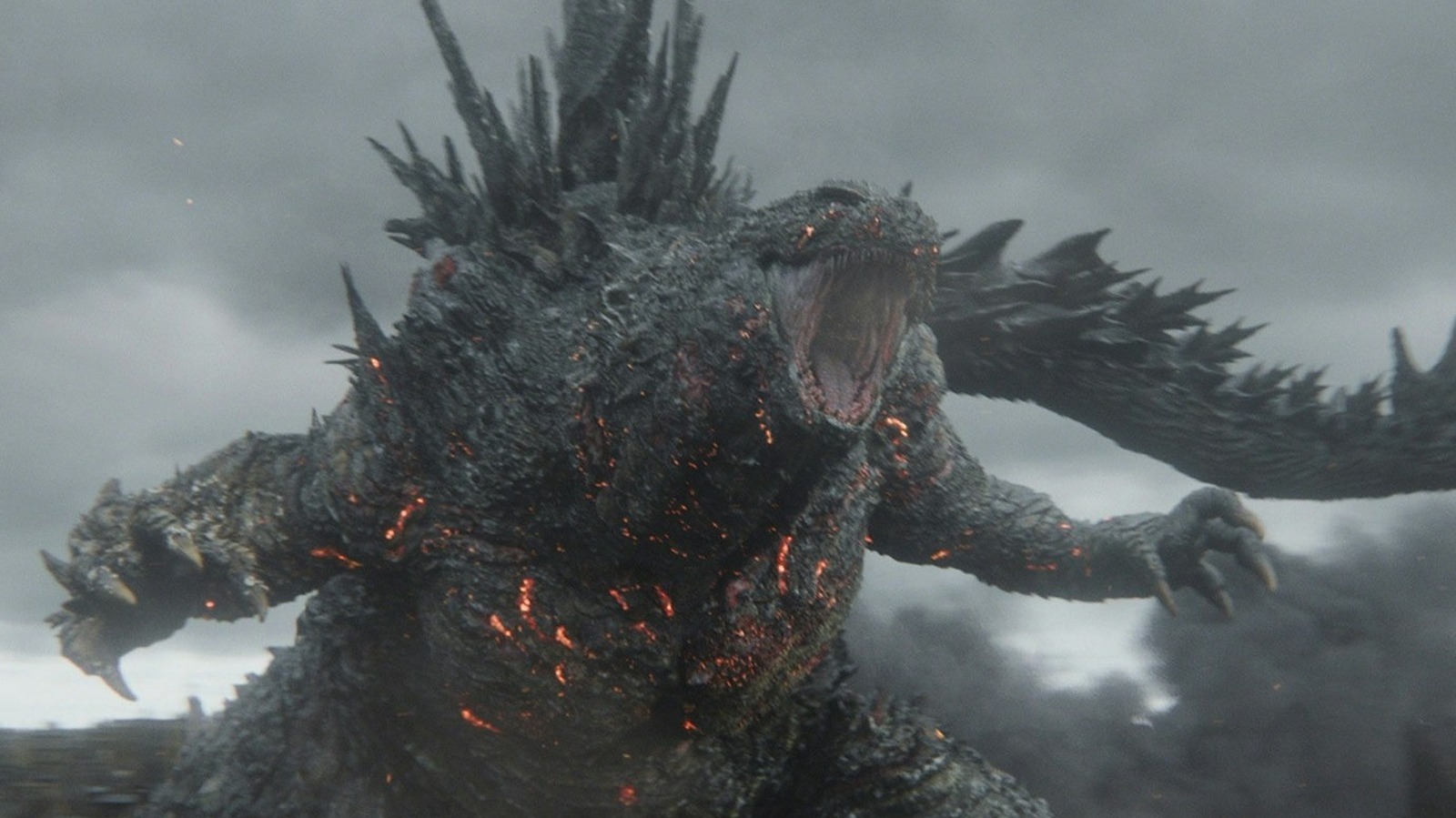
In the pantheon of cinematic monsters, few entities command the reverence and global cultural weight of Godzilla. Following the monumental, Oscar-winning success of Takashi Yamazaki’s Godzilla Minus One, the anticipation for its successor, Godzilla Minus Zero, reached a fever pitch. Now that the film has hit theaters, audiences are discovering that while the spectacle of a three-headed King Ghidorah terrorizing a post-war landscape is the primary draw, the film is hiding subtle, intricate tributes to the franchise’s storied history.
For the casual viewer, Godzilla Minus Zero is a masterclass in kaiju devastation. For the "hardcore" fan, however, the film serves as a love letter to the directors who helped shape the modern era of giant monster cinema. Among the rubble and the radioactive fire, two distinct cameos—Hideaki Anno and Jordan Vogt-Roberts—stand out as beacons of meta-commentary, bridging the gap between Japanese auteurism and Western monster-verse spectacle.
The Evolution of the King: From ‘Minus One’ to ‘Minus Zero’
To understand the weight of these cameos, one must first appreciate the trajectory of the Toho-produced Godzilla films under Takashi Yamazaki’s stewardship. Godzilla Minus One was lauded for its intimate, human-centric storytelling, grounding the supernatural horror of the kaiju in the visceral trauma of post-WWII Japan.
Godzilla Minus Zero aims to expand this scope. By introducing King Ghidorah—a decision that signifies a pivot toward the more "mythological" era of the series—Yamazaki has effectively opened Pandora’s Box. Ghidorah, with his gravity-defying lightning and extraterrestrial origins, transforms the grounded aesthetic of the predecessor into a broader, more cosmic arena. This narrative shift invites speculation: if Ghidorah can appear in this continuity, does this clear the path for the rest of the Toho rogues’ gallery? The implications for a burgeoning "Yamazaki-verse" are significant, suggesting that while the films remain human-focused, the scale of the threat is destined to grow exponentially.
A Tale of Two Cameos: Bridging the Divide
The inclusion of Hideaki Anno and Jordan Vogt-Roberts is not merely a "fun fact"; it is a strategic alignment of two distinct philosophies within the kaiju genre.
The Architect of Modern Kaiju: Hideaki Anno
Hideaki Anno’s contribution to the genre cannot be overstated. With Shin Godzilla (2016), he dismantled the traditional Godzilla tropes, turning the creature into a bureaucratic nightmare—a moving, evolving catastrophe that exposed the paralysis of the Japanese government during a national crisis. Anno’s work is characterized by deep political cynicism and a unique, frenetic visual language.
In Godzilla Minus Zero, Anno’s presence is fleeting but profound. During a sequence in which characters Koichi and Noriko are fleeing Tokyo via train, the camera lingers momentarily on a fellow passenger engrossed in a newspaper. That man is none other than Anno himself. By placing the creator of Shin Godzilla in a scene depicting the societal collapse caused by Ghidorah’s arrival, Yamazaki acknowledges the debt his own work owes to the "Shin" era. It is a passing of the torch—or perhaps a silent nod of mutual respect between two titans of the industry.
The Western Connection: Jordan Vogt-Roberts
If Anno represents the intellectual, socio-political side of kaiju cinema, Jordan Vogt-Roberts represents the kinetic, blockbuster energy of the American MonsterVerse. As the director of Kong: Skull Island, Vogt-Roberts revitalized the Western giant monster aesthetic, proving that a film featuring massive creatures could be both stylistically adventurous and commercially viable.
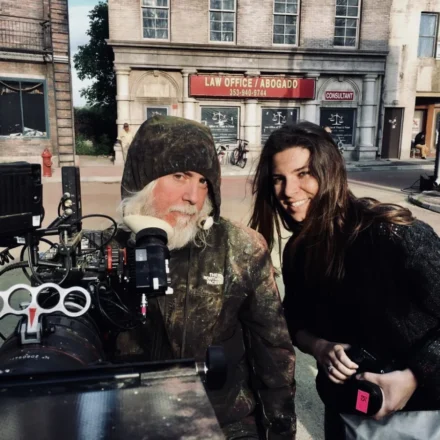
Vogt-Roberts’ cameo appears in the final act of the film, during a high-stakes sequence where American military personnel capture Professor Murakami. Unlike Anno’s subtle background role, Vogt-Roberts is integrated directly into the narrative tension. His presence highlights the international intrigue surrounding Godzilla, hinting at the geopolitical power struggle that invariably follows the discovery of an "Apex" predator.
Behind the Scenes: A Director’s Vision
The inclusion of Vogt-Roberts, in particular, has sparked conversation regarding the collaborative nature of modern filmmaking. According to director Takashi Yamazaki, the cameo was born out of a genuine friendship rather than a corporate mandate.
"Jordan makes quite frequent trips to Japan," Yamazaki noted in an interview with The Hollywood Reporter. "During one of his trips, he reached out to us, and we set up a dinner. That’s when he said, ‘Hey, I’d really love to be in the next Godzilla movie you’re working on.’ And I said, ‘Well, if you’re in Japan, perhaps there’s a scene we could work you into.’"
This anecdote highlights a fascinating aspect of the kaiju community: it is a tight-knit fraternity. Despite the historical friction between the "classic" Toho style and the newer American MonsterVerse, the creators themselves share a profound admiration for the craft. Vogt-Roberts’ desire to appear in a Toho-produced film serves as a bridge, effectively unifying the fandom under a single, global banner.
Supporting Data: The Impact of Cameos on Fan Engagement
The "Easter egg" culture has become a cornerstone of modern film marketing. For franchises as old as Godzilla—which has been running for nearly 70 years—these nods are essential for maintaining generational interest.
According to box office analysis and social media metrics, films that feature "legacy" or "industry-insider" cameos see a higher rate of repeat viewings among hardcore demographics. For Godzilla Minus Zero, the "Anno/Vogt-Roberts" hunt has become a popular topic on forums such as Reddit and Twitter, driving engagement and reinforcing the status of the film as a "must-see" event for enthusiasts. This engagement is crucial for Toho, as it shifts the narrative from "another Godzilla movie" to "a cinematic event for the fans."
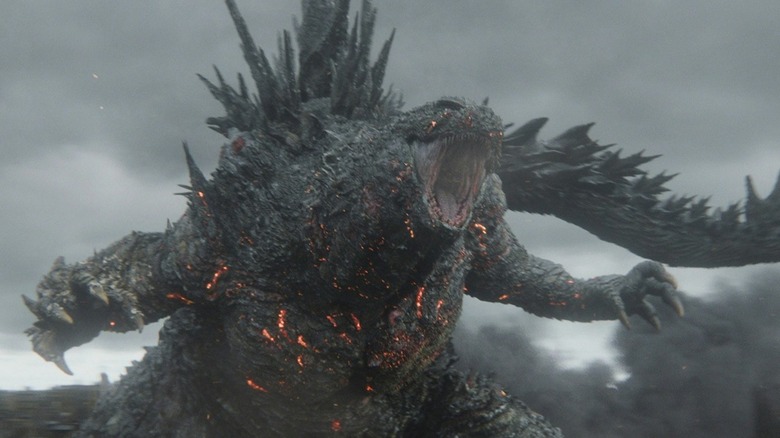
Implications: Where Does the Franchise Go from Here?
The presence of these two directors suggests that Yamazaki is looking to define a legacy that honors the past while acknowledging the global reach of the franchise. By anchoring the film in the post-war, humanistic trauma of Godzilla Minus One but decorating it with the nods to Shin Godzilla and Kong: Skull Island, Godzilla Minus Zero acts as a central hub for the franchise.
Thematic Resonance
The film succeeds because it balances the "silly" history of the Showa era with the "serious" tone of the contemporary era. It manages to feel like a classic monster movie without descending into the campiness that occasionally plagued the series in the 1970s. It remains grounded, focused on the human cost of being caught between two gods—Godzilla and Ghidorah—while still delivering the massive-scale destruction that audiences crave.
A Future of Collaboration?
Could these cameos lead to more formal collaborations? While Toho and Legendary Pictures maintain distinct creative paths, the willingness of figures like Vogt-Roberts to participate in Toho’s domestic projects indicates a lack of hostility. As the appetite for kaiju films grows, we may see more "crossover" elements—not necessarily in terms of plot, but in terms of shared creative DNA.
Conclusion: The King Remains Sovereign
Godzilla Minus Zero is a film that rewards the observant. It is a testament to the fact that, even after decades of radiation-fueled destruction, the King of the Monsters is still evolving. By inviting the architects of the modern genre to share the screen with his creation, Takashi Yamazaki has not only paid tribute to his predecessors but has also cemented his own position in the lineage of legendary Godzilla directors.
Whether one is a casual moviegoer drawn in by the roar of King Ghidorah or a lifelong fan scouring the frame for a glimpse of Hideaki Anno, Godzilla Minus Zero offers a rich, layered experience. It reminds us that Godzilla is more than just a monster; it is a shared global language, one that continues to be spoken, rewritten, and honored by the very people who love it most. As the dust settles on this latest entry, one thing is certain: the King has returned, and he has brought his friends with him.