The 2026 British Independent Film Awards: ‘Elsinore’ Dominates a Historic Year for British Cinema

The British independent film landscape has reached a creative zenith in 2026, a fact underscored by the release of this year’s British Independent Film Awards (BIFA) nominations. In a season defined by bold storytelling and a shift toward truly gender-neutral performance recognition, the biographical drama Elsinore has cemented its status as the frontrunner, securing a commanding 12 nominations.
As the industry prepares for the awards ceremony at London’s iconic Roundhouse, the 2026 cohort stands as a testament to the resilience and artistic diversity of the UK’s independent sector. From the final works of legendary auteurs to the raw, unfiltered debuts of new directorial voices, the BIFA nominations offer a comprehensive roadmap of the films that have defined the current cinematic zeitgeist.
The Rise of ‘Elsinore’ and the Path to Gold
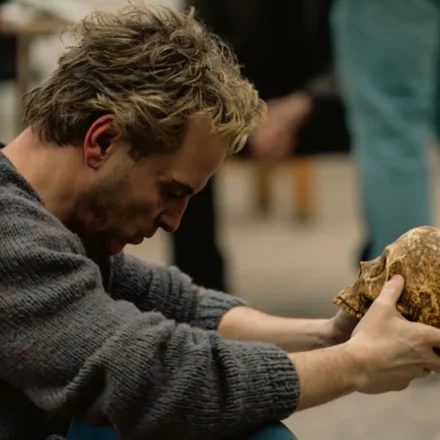
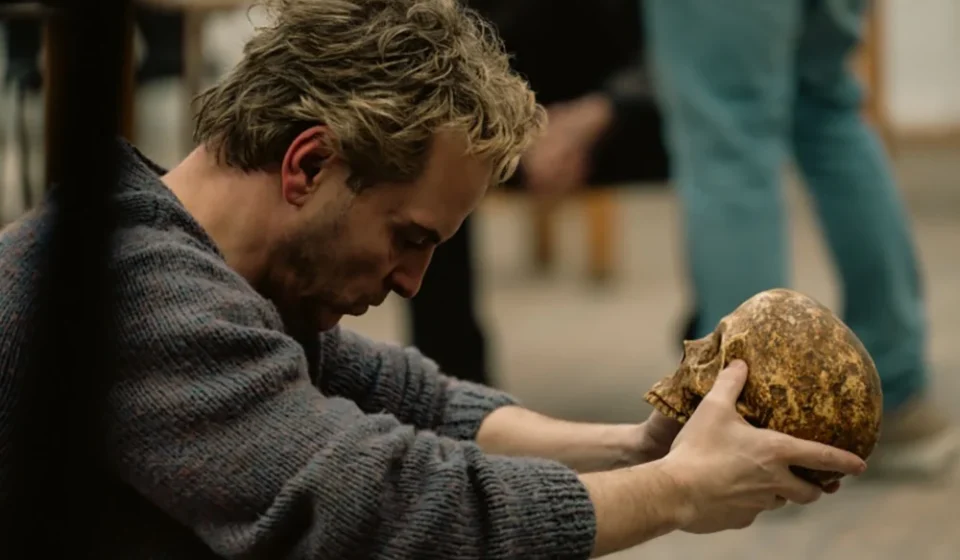
The biographical drama Elsinore, a Studiocanal production, has dominated the conversation since its opening-night premiere at the BFI London Film Festival. Directed by Simon Stone, the film chronicles the final, poignant chapter of the life of Chariots of Fire star Ian Charleson. The narrative centers on the actor’s courageous battle with AIDS while simultaneously preparing for his career-defining performance as Hamlet at the National Theatre.
Andrew Scott’s portrayal of Charleson has already been widely cited as a frontrunner in the 2026 Oscar race for Best Actor. At the BIFAs, Scott’s performance is the cornerstone of the film’s 12-nomination haul, which includes recognition for Best British Independent Film, Best Director for Stone, and a Supporting Performance nod for Billie Piper. The film’s success highlights a growing appetite for stories that marry the intensity of theatrical history with the intimate, often devastating realities of the AIDS crisis.
Chronology of the 2026 Awards Season
The announcement of the nominations, delivered on Tuesday by previous BIFA winners Jay Lycurgo and Posy Sterling, marks the official commencement of the final stretch of the awards season.
- November 24, 2026: The industry will turn its attention to the “Craft” categories, which will be unveiled via the BIFA social media channels. This digital-first approach ensures that the vital work of editors, sound designers, and visual effects artists receives focused attention before the main ceremony.
- December 6, 2026: The grand gala at the Roundhouse in London. This ceremony will crown the winners in the major categories, including Best British Independent Film, Best Director, and the various performance categories.
Between these two dates, the British film industry is expected to engage in a rigorous period of campaigning, screening, and discourse, as the nominated films—many of which have already become critical darlings—vie for the final votes of the BIFA jury.
A Landscape of Eclectic Contenders
While Elsinore holds the top spot, it faces stiff competition from an incredibly diverse field. Clio Barnard’s I See Buildings Fall Like Lightning has emerged as a major player with eight nominations, solidifying Barnard’s status as one of Britain’s most vital contemporary voices. Close behind is the directorial debut of actor Ashley Walters, Animol, which secured seven nominations, proving that the transition from in front of the camera to behind it remains a fruitful path for British talent.
The Welsh-language feature Effi O Blaenau and the enigmatic Queen at Sea both received six nominations, highlighting a shift toward regional storytelling and international collaboration within the British indie ecosystem. Perhaps most notably, the inclusion of Tender Loving Care, the final film from cinema icon Mike Leigh, has provided an emotional anchor to the awards. With three nominations, including the prestigious Best British Independent Film, the film serves as a poignant coda to a career that has defined British social realism for decades.
Performance Categories: The Gender-Neutral Milestone
The 2026 BIFAs are arguably the most progressive in the organization’s history, particularly regarding the gender-neutral lead performance category. By moving away from gendered binary categories, the BIFAs have allowed for a wider, more inclusive representation of acting talent.
In this year’s Best Lead Performance category, Andrew Scott finds himself in esteemed company. He is joined by:
- Juliette Binoche (Queen at Sea), an international icon whose presence in a British indie film underscores the global reach of the BIFA platform.
- Erin Doherty (Faith), an Emmy-winner delivering a powerhouse turn in her first lead role.
- Jonathan Jules (Florid), marking a breakout moment in a career that is clearly on the ascent.
- Tut Nyuot (Animol), representing the new wave of talent that the BIFAs are committed to spotlighting.
- Leisa Gwenllian (Effi O Blaenau), whose work reflects the depth of talent currently emerging from Welsh-language cinema.
Implications for the British Film Industry
The composition of this year’s nominees suggests several key trends in the British industry. First, there is a clear move toward genre fluidity. Films like Extra Geography, Straight Circle, and Florid—all of which received five nominations—demonstrate that first-time feature directors are moving away from traditional narrative structures, opting instead for atmospheric and character-driven storytelling.
Second, the “Breakthrough” categories are heavily saturated with fresh talent, suggesting that the pipelines for funding and development in the UK are successfully identifying and supporting new filmmakers. The inclusion of The Douglas Hickox Award (Best Debut Director) candidates such as Billy Lumby and Molly Manners points to a future where British cinema is increasingly decentralized, drawing from a variety of cultural backgrounds and aesthetic sensibilities.
Finally, the resilience of the cinema exhibition sector is celebrated through the “Cinema of the Year” category. In an age dominated by streaming, the BIFAs continue to champion the importance of the physical theatrical experience, recognizing venues like Abbeygate Cinema and The Ultimate Picture Palace for their commitment to bringing independent films to local audiences.
Official Responses and Industry Outlook
While the official jury members remain tight-lipped regarding the final ballots, industry insiders have noted that the 2026 cohort represents a significant "leveling up" in terms of production value and ambition.
"The 2026 nominations demonstrate that the British independent sector is not merely surviving; it is evolving," stated a representative for the BIFA committee during the announcement. "The mix of established masters like Mike Leigh alongside first-time directors like Ashley Walters creates a dialogue between the history of our industry and its future. We are seeing a hunger for stories that are culturally specific yet emotionally universal."
For Elsinore, the challenge now lies in maintaining momentum. With 12 nominations, the film is the clear target, but the history of the BIFAs is littered with “sure things” that were eventually surpassed by late-season surges from films like I See Buildings Fall Like Lightning or the visceral, raw energy of Animol.
Conclusion: A Celebration of Storytelling
As December 6 approaches, the eyes of the global film community will be fixed on London. The 2026 BIFA nominations do more than just reward technical and artistic excellence; they provide a snapshot of a national cinema that is increasingly confident in its own voice. Whether or not Elsinore sweeps the board, the true winner of this year’s awards is the audience, who have been gifted an array of films that challenge, provoke, and inspire.
From the quiet, devastating power of Mike Leigh’s final work to the ambitious, genre-defying debuts of new filmmakers, this year’s nominations ensure that the legacy of British independent film remains as vital, complex, and essential as ever.
Summary of Major Nominations
Best British Independent Film
- Effi O Blaenau
- Elsinore
- I See Buildings Fall Like Lightning
- Queen at Sea
- Tender Loving Care
Best Director
- Clio Barnard (I See Buildings Fall Like Lightning)
- Andrew Haigh (A Long Winter)
- Mark Jenkin (Rose of Nevada)
- Mike Leigh (Tender Loving Care)
- Simon Stone (Elsinore)
Best Lead Performance
- Juliette Binoche (Queen at Sea)
- Erin Doherty (Faith)
- Leisa Gwenllian (Effi O Blaenau)
- Jonathan Jules (Florid)
- Tut Nyuot (Animol)
- Andrew Scott (Elsinore)