Beyond the Shadows: The Complex Art of Digital Creature Performance in Netflix’s The Boroughs

The landscape of modern television horror is often saturated with jump scares and CGI behemoths, but Netflix’s The Boroughs—a series created by Will Matthews and Jeffrey Addis—has distinguished itself by prioritizing emotional resonance over simple shock value. The show, which chronicles a terrifying phenomenon within a retirement community, hinges on the presence of mysterious, parasitic entities. However, the true success of The Boroughs lies not in its premise, but in its execution, specifically the visual effects team’s ability to manipulate audience empathy through a sophisticated hybrid of practical and digital craftsmanship.
In the latest installment of the fxpodcast, VFX industry veterans pull back the curtain on the technical and creative hurdles of bringing these creatures—affectionately referred to by the showrunners as “the kids”—to life.
The Core Premise: A Parasitic Cycle of Time
At its onset, The Boroughs presents a deceptively simple horror hook. Residents of an idyllic, upscale retirement community are being targeted at night by an unknown entity. As the series progresses, however, the narrative peels back layers of dark science fiction. It is revealed that these creatures are the offspring of a central entity known as “Mother.”
These beings are effectively enslaved by the owners of the retirement community. In a disturbing twist on the fountain-of-youth trope, the owners utilize the creatures in a parasitic cycle: the beings drain the life force and "time" from the elderly residents, transferring that vitality to the wealthy owners to keep them biologically young. This revelation shifts the show’s genre from a standard monster-of-the-week thriller to a poignant commentary on mortality, greed, and the exploitation of the vulnerable.
Bridging the Gap: The Hybrid Performance Pipeline
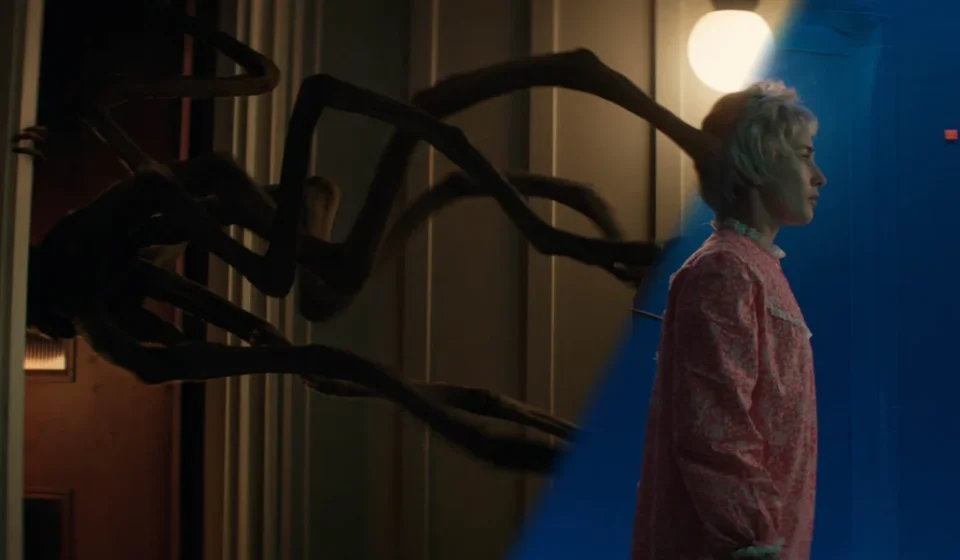
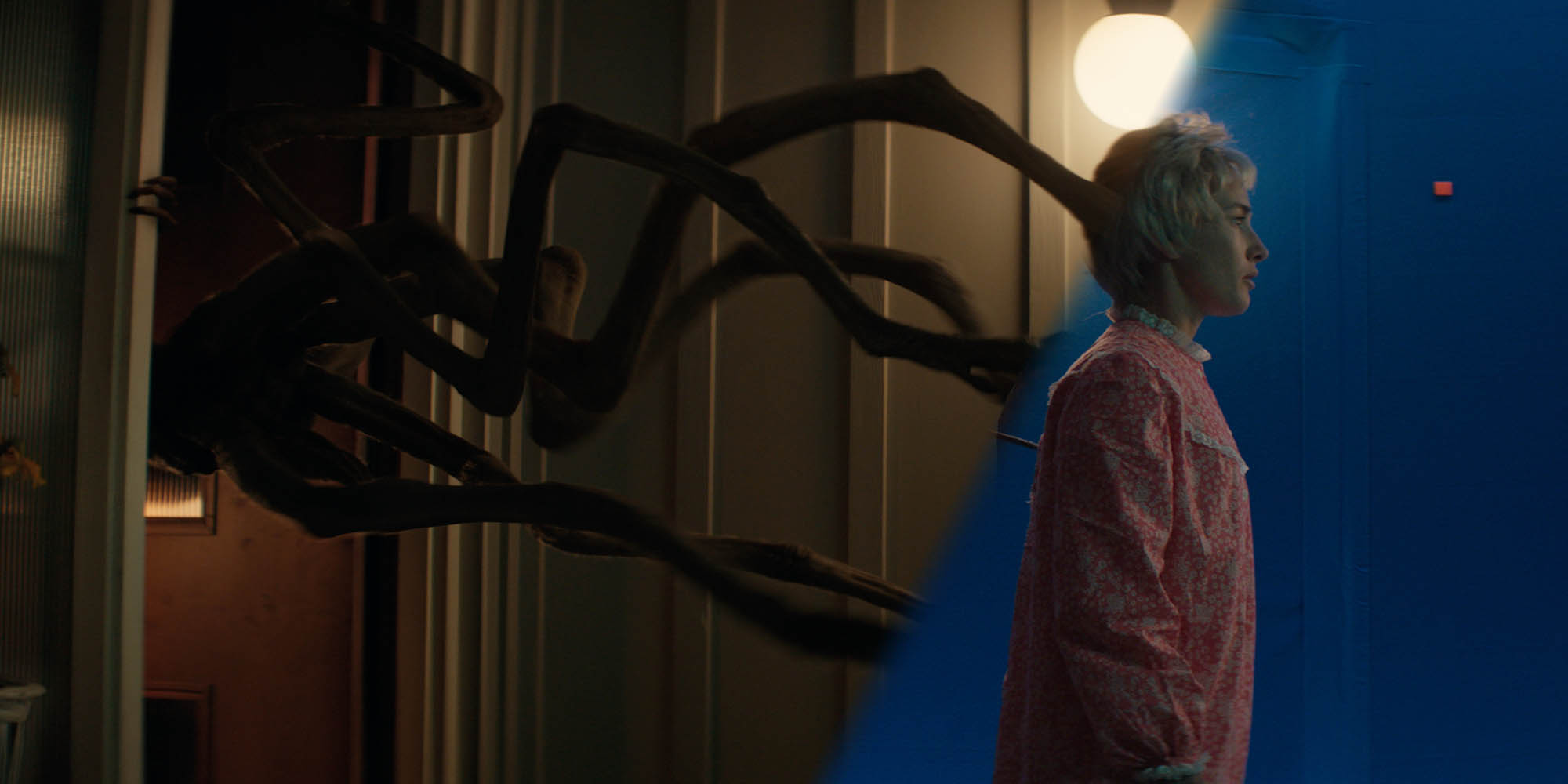
One of the most compelling aspects of the production of The Boroughs is its refusal to choose between practical effects and digital artistry. Often, modern productions fall into the trap of viewing these two disciplines as opposing religions. The Boroughs rejects this binary, operating instead under the philosophy that the "right answer is the one that serves the shot."
The Role of Practical Effects
Practical elements were essential for establishing a grounded presence on set. Puppetry and animatronics allowed actors to interact with a physical object, providing necessary lighting cues, tactile textures, and a tangible sense of weight within the scene. When an actor looks into the eyes of a creature that is physically occupying the space, the resulting performance is inherently more grounded and reactive.
The Digital Augmentation
Conversely, the digital work performed by the team at Industrial Light & Magic (ILM) provided the "impossible" elements that puppetry cannot replicate. Digital tools allowed for:
- Anatomical Complexity: Precise muscle simulation, tendon tension, and skin elasticity that react in real-time to the creature’s movement.
- Micro-Performance: The ability to tweak eye movements and subtle facial twitches, which are crucial for conveying internal emotional states.
- Locomotion: Animating the creatures with a fluid, unnatural gait that would be physically impossible for a puppet or a performer in a suit to achieve.
By blending these, the production created a "creature-performance pipeline" where the digital assets felt like a natural extension of the practical base, rather than a jarring transition.
Chronology of Character Evolution
The character arc of "the kids" was meticulously planned to mirror the audience’s changing perception of them.
- Phase One: The Threat. Early in the series, the creatures are obscured by darkness, camera angles, and erratic movement. The visual effects are designed to emphasize their role as predators, highlighting sharpness, speed, and mystery.
- Phase Two: The Investigation. As the mystery of the retirement community is unveiled, the VFX team begins to reveal more of the creatures’ anatomy. The focus shifts to their physical condition—showing the scars of their enslavement and the weariness of their existence.
- Phase Three: The Empathy. By the final episodes, the creatures are no longer presented as mere monsters. The animation choices—slumped posture, mournful eye movements, and a desperate, searching behavior—reframe them as "old, abused, exhausted beings." The goal of the visual effects was to guide the viewer from initial revulsion to a profound, tragic empathy for these entities as they seek to return to their source, Mother.
Supporting Data: Technical Mastery at ILM
The technical heavy lifting was led by overall VFX Supervisor Tara DeMarco and ILM VFX Supervisor Steve Ellis. In the deep-dive discussion, it was revealed that the sheer volume of data involved in simulating the creatures’ skin and muscle movement was staggering.
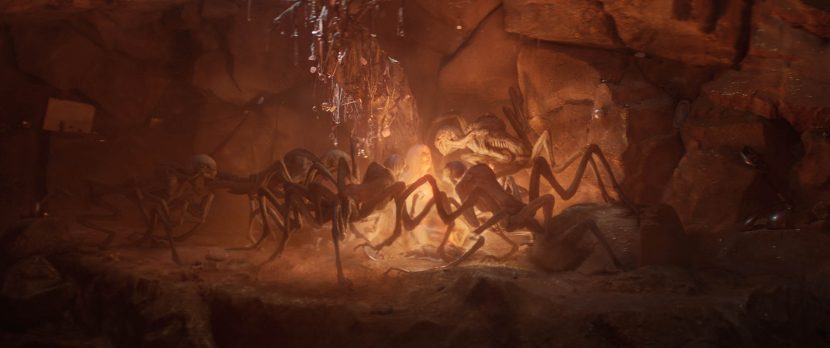
The team utilized advanced rigging systems to ensure that the "kids" moved with a consistent internal logic. Whether the creature was crawling across a ceiling or huddled in a corner, the digital skeleton had to obey the laws of the creature’s unique biology. This consistency is what allows the audience to subconsciously "believe" in the creature, even when it is performing actions that defy human biology.
Official Responses and Creative Vision
During the fxpodcast, Tara DeMarco noted that the design phase was driven by the showrunners’ specific vision. Will Matthews and Jeffrey Addis were adamant that the creatures needed to be "genuinely terrifying and ultimately heartbreaking."
Steve Ellis of ILM highlighted that the challenge was not just in the rendering, but in the animation. "You can have the most beautiful, high-resolution model in the world," Ellis noted, "but if the performance doesn’t convey the emotional exhaustion of these beings, the audience will just see a model." The team spent hundreds of hours in the "performance" phase, iterating on the minute expressions that signify the creatures’ longing and pain.
Implications for the Industry
The success of The Boroughs serves as a case study for the future of visual effects in television. As audiences become more sophisticated, the "uncanny valley" becomes easier to spot. The industry is moving toward a model where the blending of techniques—rather than a total reliance on one—is becoming the standard for high-end episodic content.
Furthermore, the show demonstrates that high-budget VFX can be used to serve character development rather than just spectacle. By using digital tools to facilitate a shift in audience perception, The Boroughs has set a new benchmark for how creature-based narratives can be told.
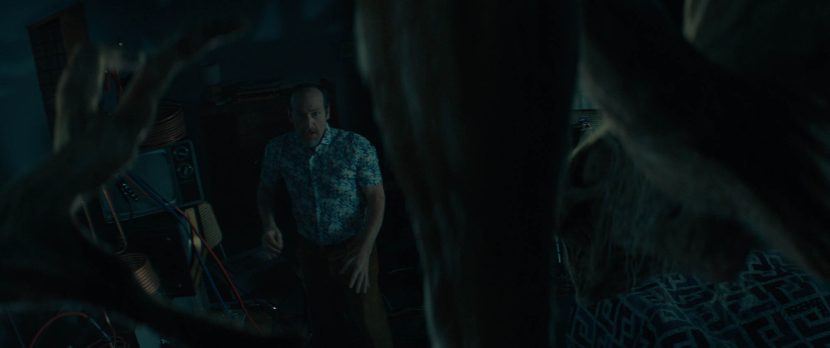
The implications for upcoming projects are clear: if you want to make a monster, you must first make it a character. The technology exists to build the anatomy, but it is the artistic application—the understanding of weight, intention, and emotional arc—that elevates the work from a technical achievement to a narrative success.
In conclusion, the work seen in The Boroughs is a testament to the collaborative nature of modern filmmaking. By bridging the gap between physical reality and digital artifice, the team has delivered a series that is as emotionally resonant as it is technically impressive. Whether one views the show as a horror piece or a tragic drama, the creatures remain the central pillar upon which the entire narrative rests, proving that in the hands of skilled artists, a "monster" can be the most human thing on screen.