The Sonic Landscape of Fall Cinema: A Comprehensive Guide to New Soundtracks and Wide Releases

As the autumn theatrical season hits its stride, cinema-goers are being treated to a diverse slate of films ranging from high-concept psychological thrillers to heart-pounding survival dramas and vibrant animated adventures. Beyond the visual spectacle, the auditory experience remains a critical pillar of cinematic storytelling. This week, we examine three major nationwide releases—Primetime, Heart of the Beast, and Forgotten Island—and the composers tasked with shaping their sonic identities.
The Main Facts: A Trio of Diverse Cinematic Experiences
This weekend, three distinct films make their way into theaters across the country, each backed by significant industry muscle and accompanied by robust musical companion pieces.
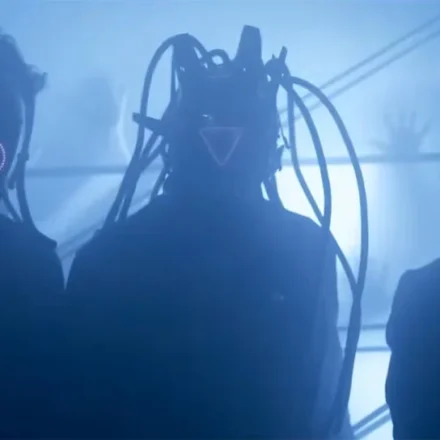
- Primetime: Directed by Lance Oppenheim, this psychological thriller features an ensemble cast including Robert Pattinson, Merritt Wever, Skyler Gisondo, Matthew Maher, and Bokeem Woodbine. The film arrives with an atmospheric score by Ari Balouzian, supplemented by a high-profile end-credits contribution from Phoebe Bridgers.
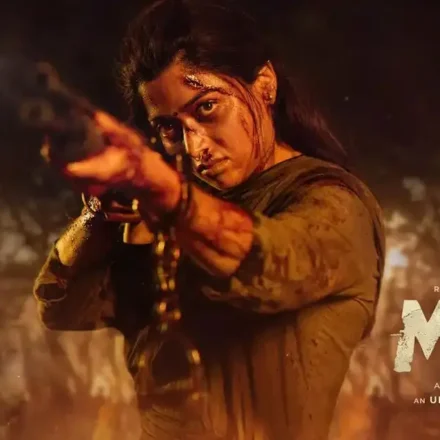
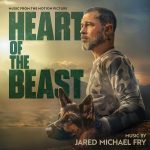
- Heart of the Beast: A high-stakes survival thriller from director David Ayer. Starring cinematic heavyweights Brad Pitt and J.K. Simmons, alongside Anna Lambe, the film relies on the tension-building score of composer Jared Michael Fry.
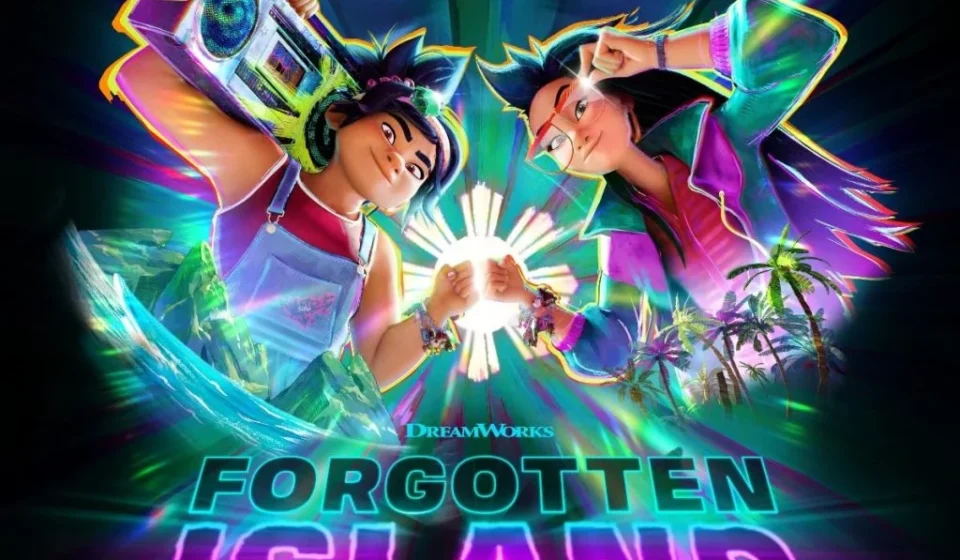
- Forgotten Island: An ambitious animated feature from DreamWorks Animation, directed by Joel Crawford and Januel Mercado. The film boasts a star-studded voice cast including H.E.R., Liza Soberano, and Lea Salonga, supported by a multi-faceted soundtrack featuring both an original score and pop-centric vocal performances.
Chronology: The Evolution of These Releases
The path to the screen for these films has been a culmination of months of post-production labor, particularly regarding their respective scores.
For Ari Balouzian, the work on Primetime represents a significant escalation in scale. Known previously for his work on Some Kind of Heaven and Ren Faire, Balouzian has spent the better part of the last year refining a soundscape that mirrors the unsettling nature of the film’s narrative. The soundtrack, released today via A24 Music, is designed not just to accompany the film, but to serve as a standalone listening experience that captures the psychological dread of the plot.
Meanwhile, the development of Heart of the Beast has been marked by the rigorous collaboration between director David Ayer and composer Jared Michael Fry. Having worked together on The Beekeeper, the duo established a shorthand that allowed for the rapid development of a sonic identity for this survival epic. Lakeshore Records’ release today marks the culmination of this partnership, arriving precisely as the film hits multiplexes.
Finally, the release of Forgotten Island follows a different marketing cadence. With its musical elements being central to the film’s identity, the soundtrack—featuring tracks by P-pop sensation BINI and lead star H.E.R.—was strategically released by Back Lot Music last Friday, providing audiences time to familiarize themselves with the music before the film’s wide theatrical debut.
Supporting Data: The Composer Profiles
The success of a film’s score is often predicated on the composer’s ability to bridge the gap between emotional resonance and technical precision.
Ari Balouzian (Primetime)
Balouzian has quickly established himself as a master of texture. His previous credits, such as Monsters of God and Atropia, show a penchant for minimalist arrangements that slowly bloom into overwhelming soundscapes. In Primetime, he pivots toward a more jagged, rhythmic approach, utilizing synths to heighten the paranoia experienced by Pattinson’s character.
Jared Michael Fry (Heart of the Beast)
Fry has built a reputation for gritty, grounded music. His transition from the action-oriented sound of The Beekeeper to the visceral, nature-focused tension of Heart of the Beast demonstrates his versatility. His use of low-frequency percussion and sustained brass serves as a heartbeat for the film’s survival-driven narrative.
The Musical Team Behind Forgotten Island
The musical landscape of Forgotten Island is a massive collaborative effort. By blending a traditional orchestral score with contemporary pop tracks from artists like H.E.R. and BINI, the production aims to appeal to a broad demographic. The decision to feature diverse musical styles reflects the film’s international setting and its focus on cultural identity.
Official Responses and Industry Context
In an era where streaming platforms often dominate the conversation, the commitment of studios like A24, Paramount, and Universal to wide theatrical releases remains noteworthy.
"The theater is still the primary sanctuary for the marriage of image and sound," says one studio executive familiar with the Primetime production. "When you hear a score like Balouzian’s through a high-fidelity surround sound system, you aren’t just watching a movie; you are physically inhabiting the director’s vision."
Furthermore, the integration of high-profile pop artists into film soundtracks—such as Phoebe Bridgers’ contribution to Primetime—is a strategic move to leverage cross-platform marketing. This trend of "curated listening" ensures that the film’s reach extends well beyond the two-hour runtime of the feature itself.
Implications: The Future of Film Scoring
The trend of simultaneous digital soundtrack releases alongside theatrical openings has fundamentally changed how we consume cinema. The digital album is no longer just a souvenir; it is a vital part of the film’s marketing ecosystem.
The Impact of "Genre-Fluid" Scoring
As seen in the works of Balouzian and Fry, the boundaries between genres are blurring. The traditional "thriller score" is being replaced by more experimental, ambient, and rhythm-heavy compositions. This shift implies that modern audiences are increasingly receptive to unconventional musical choices, provided they serve the emotional arc of the narrative.
The Role of Animation in Music
With Forgotten Island, the industry is seeing a renewed interest in the "musical-animated hybrid." By hiring a voice cast that includes accomplished musicians like H.E.R. and Lea Salonga, the film creates a feedback loop where the talent behind the characters is also the talent behind the soundtrack. This serves to build a deeper, more personal connection between the audience and the source material.
Economic Considerations
The financial success of these soundtracks also provides a secondary revenue stream for studios. When an original song gains traction on social media platforms or streaming services, it acts as a permanent advertisement for the film. The decision by labels like A24 Music, Lakeshore, and Back Lot Music to release these albums concurrently with the film’s release date is a calculated effort to capitalize on the peak of public awareness.
Conclusion: A Sonic Invitation
As these three films command the nation’s attention this weekend, the music accompanying them stands as a testament to the talent working behind the scenes. Whether it is the psychological weight of Primetime, the visceral tension of Heart of the Beast, or the melodic vibrancy of Forgotten Island, the soundtracks offer a window into the creative intent of the directors and their composers.
We encourage readers to explore these albums on their preferred streaming platforms. In an age of endless content, the intentionality behind a film’s score remains a reliable indicator of a project that is meant to be experienced, not just watched.
As we look toward the remainder of the autumn season, more titles will be added to our coverage. Stay tuned to this space for further updates, interviews with the creative teams, and deeper analysis of the scores that will define the cinematic year.
For full details on the soundtrack releases, including tracklists, composer commentary, and label information, please refer to our previous reports linked throughout this article.