Beyond the Cul-de-Sac: Deconstructing the Visual Spectacle of ‘The End of Oak Street’

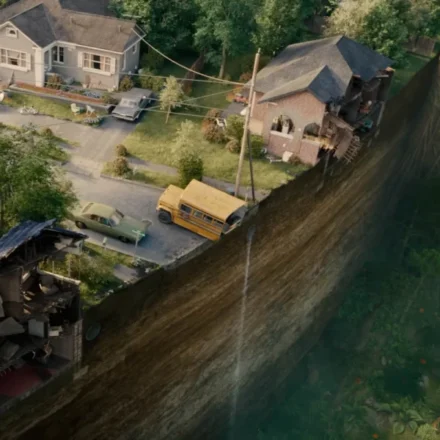
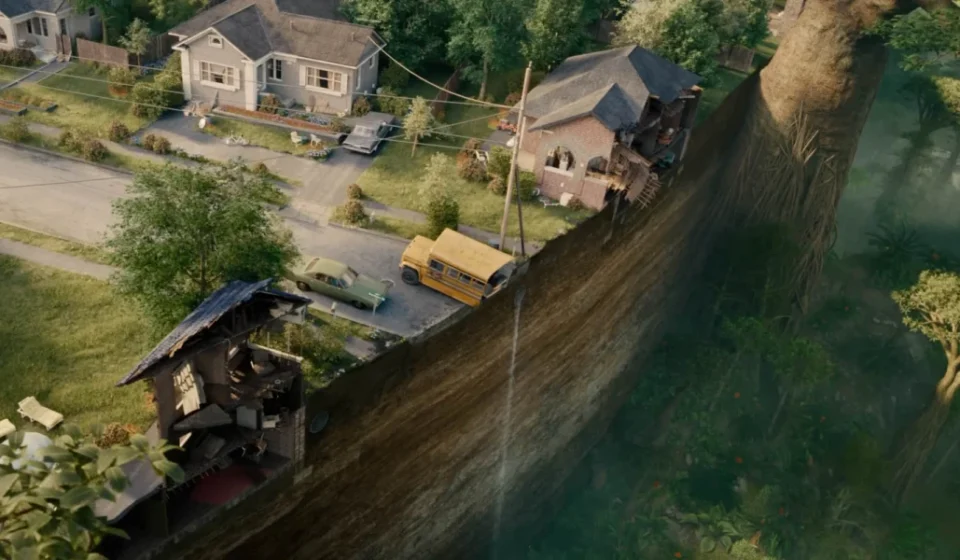
In the landscape of modern speculative fiction, few films have sparked as much critical discourse as David Robert Mitchell’s latest cinematic odyssey, The End of Oak Street. Starring Hollywood powerhouses Anne Hathaway and Ewan McGregor as the embattled heads of the Platt family, the film is a masterclass in atmospheric tension, suburban existentialism, and high-concept visual effects. As the narrative premise—a mundane neighborhood inexplicably uprooted from space and time—begins to unfold, audiences are thrust into a visual landscape that defies conventional physics.
In the latest installment of The VFX Show (Episode 309), the production team behind the industry-leading fxguide podcast dives deep into the technical scaffolding that supports this surreal journey. From the intricacies of the time-dilated set design to the nuanced integration of digital environments, this article explores the technical and narrative implications of Mitchell’s vision.
The Core Narrative: A Suburban Singularity
At its heart, The End of Oak Street is a family drama disguised as a science-fiction thriller. Anne Hathaway and Ewan McGregor portray a couple struggling with the routine pressures of modern domesticity until the very ground beneath their feet ceases to be anchored in the known world. When a mysterious, cataclysmic event transports their idyllic suburban neighborhood into an unknown, potentially infinite void, the Platt family is forced to reconcile their internal familial fractures with the external impossibility of their new reality.
Director David Robert Mitchell, known for his ability to imbue everyday settings with a sense of lingering dread, utilizes the "neighborhood" as a central character. The shifting temporal nature of the location—moving back and forth through various eras—serves as a metaphor for the stagnation and nostalgia inherent in the American Dream.
Chronology of Production: From Concept to Cut
The development of The End of Oak Street was a protracted process defined by a rigorous commitment to "in-camera" realism bolstered by cutting-edge digital post-production.
Pre-Production and Design
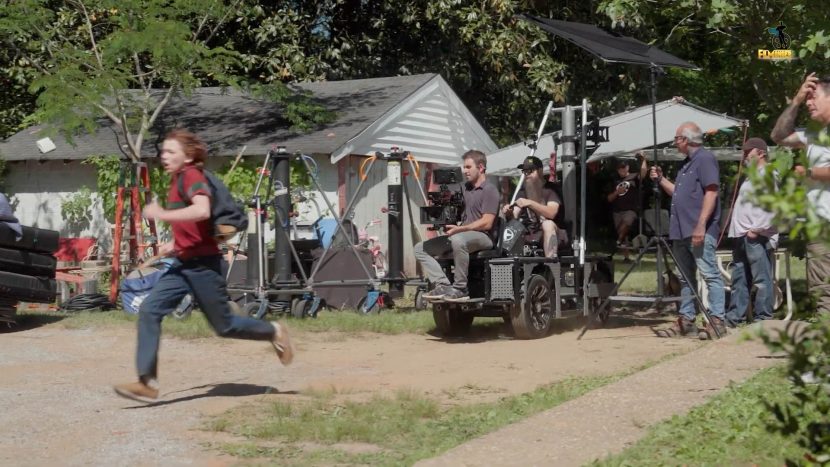
The production team spent over eighteen months in pre-visualization. Given that the film required a seamless transition between different historical eras within the same physical space, the design team opted to build modular sets that could be dressed and redressed to reflect different decades. This approach allowed Mitchell to maintain spatial continuity, ensuring that the audience felt the geography of the neighborhood even as the environment around it morphed.
The Shooting Phase
Principal photography took place under tight constraints, as the reliance on specific lighting conditions to simulate the "unknown" atmosphere of the void meant the team had a limited window for outdoor shots each day. The cinematography focuses on tight, claustrophobic framing that emphasizes the isolation of the Platt family, juxtaposed against the vast, empty horizon of their new, displaced reality.
Post-Production and VFX Integration
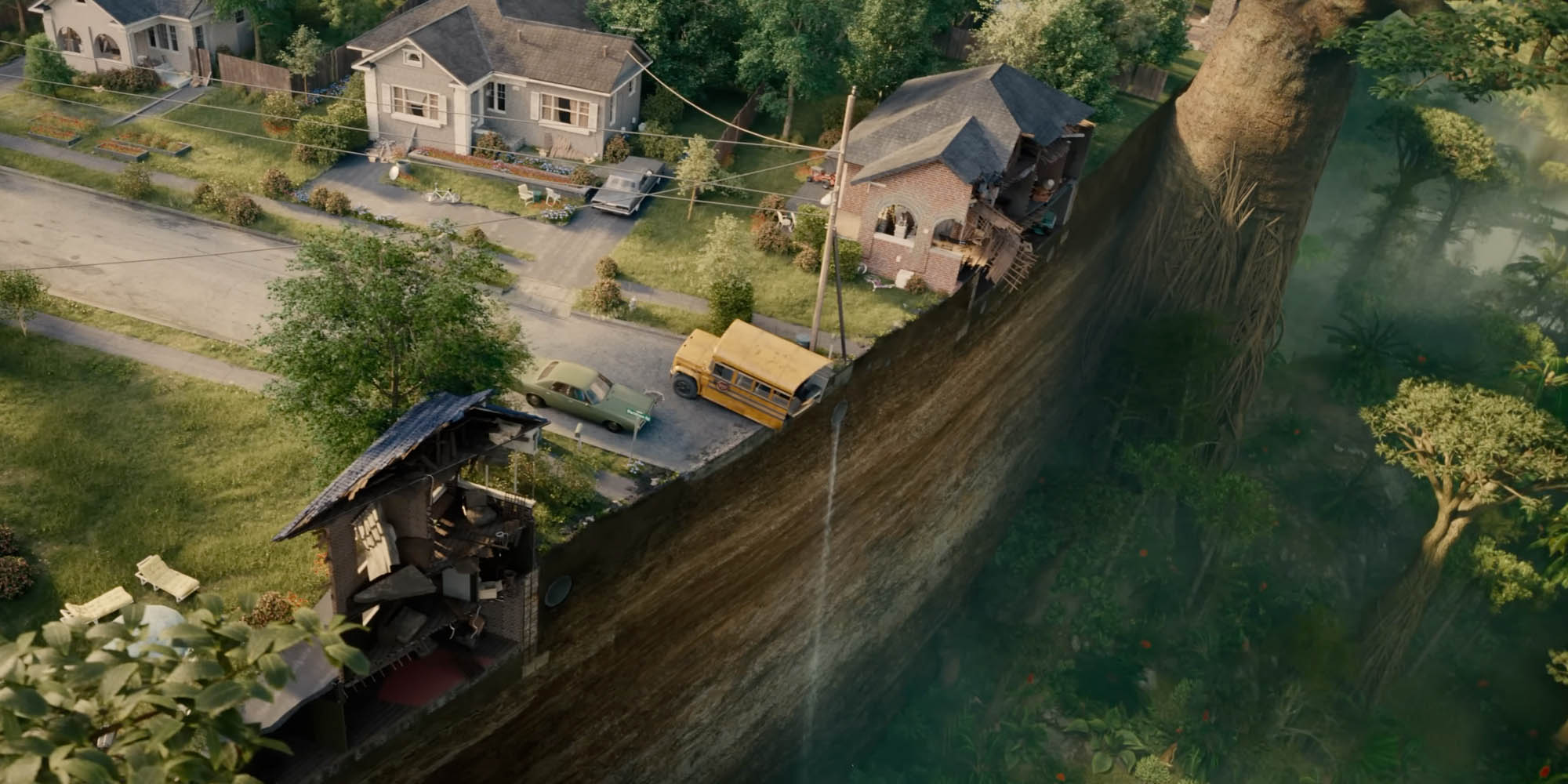
The post-production phase was a massive undertaking, overseen by industry veterans. The goal was never to create a "CGI-heavy" look, but rather to use visual effects to ground the impossible. By employing sophisticated compositing techniques, the team managed to blend the practical, physical set builds with digital extensions that define the "beyond" where the neighborhood now rests.
Supporting Data: The Technical Breakdown
In the latest fxguide discussion, hosts Matt Wallin, Jason Diamond, and Mike Seymour dissected the specific technical choices that define the film’s visual language.
The "Void" Environment
One of the most debated aspects of the production is the rendering of the void. Eschewing the typical "space-black" look of standard sci-fi, the production opted for a desaturated, ethereal aesthetic. This required an immense amount of work in color grading and light-scattering simulations. The team noted that the choice to keep the color palette muted allowed the performances of Hathaway and McGregor to remain the focal point, preventing the environment from becoming a visual distraction.
Practical vs. Digital
The balance between the physical sets and digital assets was carefully calibrated. The fxguide panel highlighted the use of high-resolution LIDAR scanning of the sets, which provided the VFX team with a digital twin for every prop and structure. This allowed for the seamless integration of digital "time-tears"—the visual markers of the neighborhood’s displacement—directly onto the physical geometry of the houses and streets.
The Critical Debate: What Worked, What Didn’t
The fxguide panel—featuring Matt Wallin, Jason Diamond, and Mike Seymour—engaged in a robust debate regarding the film’s effectiveness.
The Strengths
The panel praised the film’s tactile nature. "It feels lived-in," noted Mike Seymour during the episode. The commitment to maintaining the physical presence of the neighborhood, even while it is being deconstructed by temporal shifts, gives the film a weight that most green-screen-heavy productions lack. The performances were also a point of contention and celebration; the panel agreed that Hathaway and McGregor provide a grounding element that prevents the high-concept premise from feeling hollow.
The Weaknesses
However, the panel did not shy away from the film’s shortcomings. There was significant discussion regarding the film’s pacing in the second act. Some members of the panel felt that the obsession with the "rules" of the time-displacement overshadowed the emotional stakes of the Platt family. When the technical explanation of the "event" becomes too dense, the audience’s connection to the characters risks being severed. The panel debated whether the film would have been stronger had it leaned further into the psychological mystery rather than the sci-fi logistics.
Official Perspectives and Industry Implications
The film has served as a benchmark for how modern productions can handle environmental storytelling. Industry analysts suggest that The End of Oak Street will likely influence future projects that seek to bridge the gap between small-scale drama and large-scale visual spectacle.
By keeping the production focused on a single location, Mitchell has demonstrated that "world-building" does not require infinite planets or sprawling galaxies. Instead, it requires a mastery of perspective. The success of the film’s VFX, which prioritized light, shadow, and physical texture over digital density, has set a new standard for studios looking to maximize their budgets without sacrificing aesthetic quality.
The production team, supported by the editorial efforts of Jim Shen, ensured that every frame served the narrative. The result is a film that demands multiple viewings—not just to understand the plot, but to appreciate the layers of visual craft hidden within every frame of the suburban street.
Concluding Thoughts: Where Do You End Up?
As The End of Oak Street continues its run, the conversation surrounding its production techniques is far from over. The fxguide team invites listeners to join the debate. Does the film’s reliance on complex VFX enhance the story, or does it distract from the central emotional arc?
For those looking to gain a deeper understanding of the craft behind the film, the full episode of The VFX Show (309) is available now. You can listen via your favorite podcasting apps, including Apple Podcasts and Spotify, or watch the breakdown on the fxguide YouTube channel.
As always, the team welcomes your feedback. You can reach out to them directly via email at the address provided on the fxguide website. Whether you view the film as a triumph of modern science fiction or a cautionary tale of over-production, one thing is certain: the residents of Oak Street have left a mark on the cinematic landscape that will be studied for years to come.
Panel Members for This Week’s Discussion:
- Matt Wallin: Digital artist and industry analyst. Follow him on Mastodon or check out his latest work at mattwallin.com.
- Jason Diamond: VFX specialist and creative director at The Diamond Bros. Learn more at thediamondbros.com.
- Mike Seymour: Lead researcher and host at fxguide. Follow his ongoing analysis at fxguide.com.
Special thanks to Jim Shen for his tireless work in the editing and production of this episode.