
By [Your Name/Journalistic Staff]
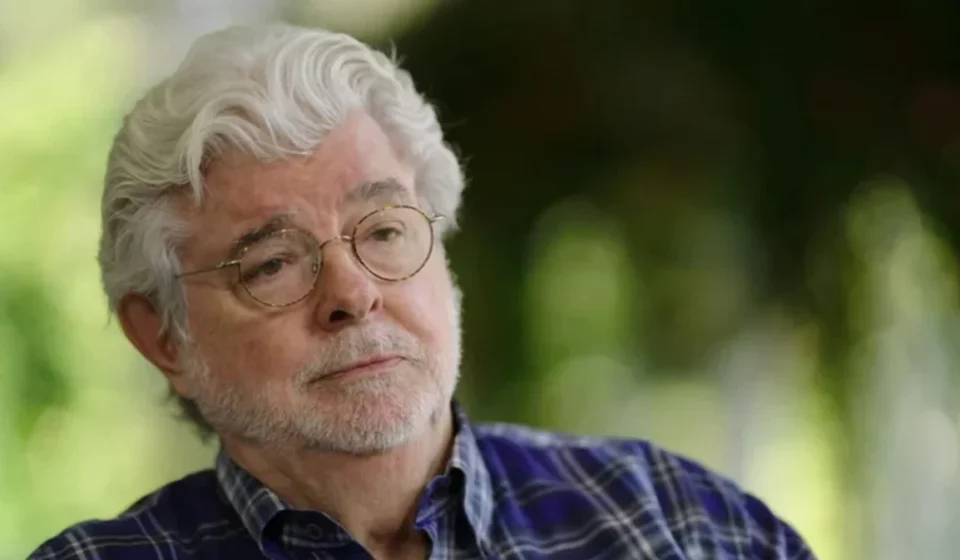
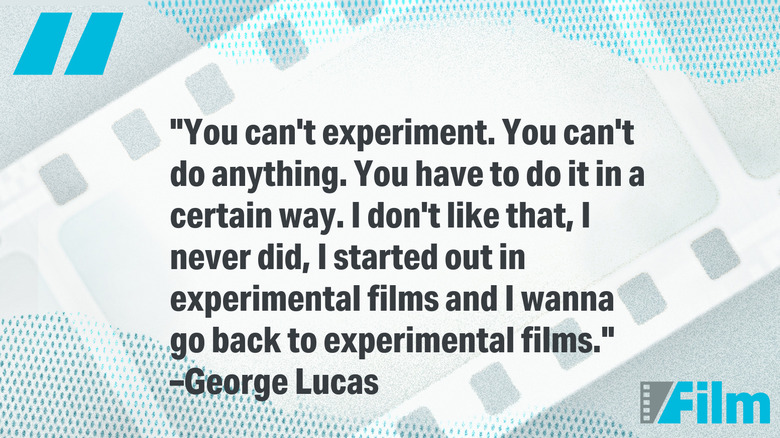
In the history of modern cinema, few figures cast a shadow as long—or as complex—as George Lucas. The man who essentially codified the "blockbuster" era and pioneered the digital revolution in filmmaking eventually found himself trapped within the very walls he built. The tension between the visionary independent filmmaker and the corporate architect of a global cultural phenomenon reached a breaking point in 2015, encapsulated in a candid, weary admission: "You can’t experiment. You can’t do anything. You have to do it in a certain way. I don’t like that, I never did, I started out in experimental films and I wanna go back to experimental films."
This sentiment, expressed during a seminal Vanity Fair interview leading up to the release of The Force Awakens, serves as the definitive epitaph for Lucas’ tenure at the helm of Lucasfilm. It is a reflection on the stifling nature of immense success and the price of creative autonomy in a studio-driven industry.
The Early Visionary: From Underground Racing to USC
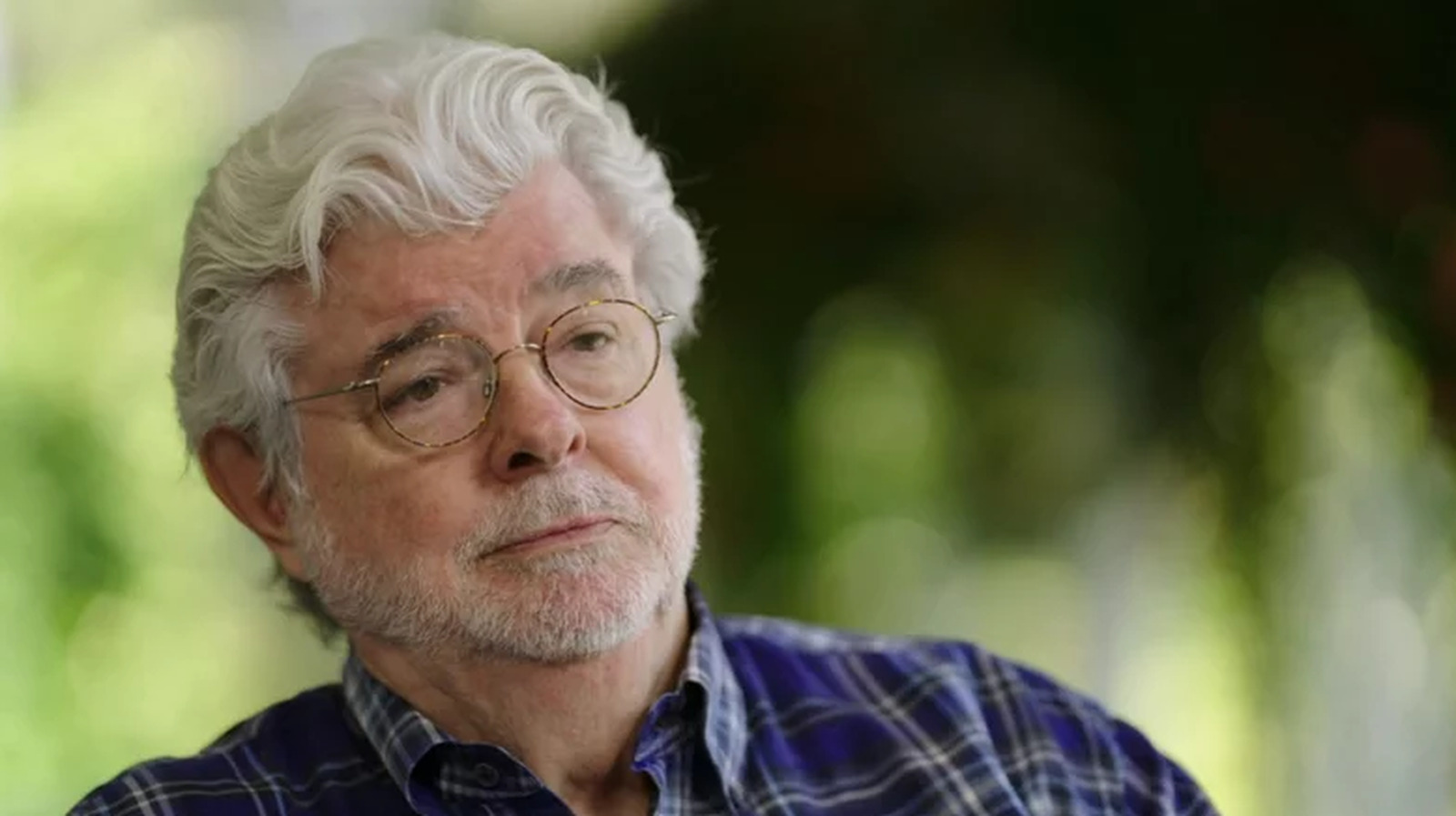
To understand the weight of Lucas’ 2015 statement, one must first understand the artist before the icon. Born in Modesto, California, in 1944, Lucas was not originally a student of film theory. His early passions were fueled by the roar of internal combustion engines; he was a dedicated racecar enthusiast, involved in the dangerous, underground circuits of his youth. It was a near-fatal automobile accident that redirected his trajectory, pushing him toward the University of Southern California (USC) School of Cinematic Arts.
At USC, Lucas was a standout member of "The Dirty Dozen," an elite cohort of young filmmakers—including future legends like Caleb Deschanel, Walter Murch, and John Milius—who challenged the rigid narrative structures of 1960s Hollywood. Even then, Lucas’ sensibilities were abstract and experimental. His student work was defined by its focus on visual rhythm and sensory experience over traditional dialogue-driven plots. This foundational interest in "pure cinema" remained the heartbeat of his creative process long after he achieved fame, often buried under the immense technical demands of the Star Wars franchise.
A Chronology of Disillusionment
The path from independent innovator to "The Maker" of the world’s most scrutinized franchise is marked by a gradual erosion of creative freedom.
- 1971–1977: The Maverick Era. With THX 1138 and American Graffiti, Lucas proved he could challenge the status quo, often fighting uphill battles against studio heads who did not understand his vision. Star Wars: A New Hope was famously a project that industry peers expected to fail, yet its unprecedented success changed the economic landscape of Hollywood forever.
- 1980–2005: The Weight of Expectations. Following the completion of the original trilogy, the public’s ownership of Star Wars began to rival, and eventually eclipse, that of the creator. By the time of the Prequel Trilogy, the scrutiny had become deafening.
- 2012: The Great Divorce. Lucas sold Lucasfilm to Disney for $4.05 billion. While framed as a passing of the torch, it was fundamentally a withdrawal from the front lines of a battlefield he no longer wished to occupy.
- 2015: The Breaking Point. In the lead-up to Disney’s sequel trilogy, the Vanity Fair interview crystallized his stance: he was done with the "franchise machine."
The Paradox of the "Jar Jar" Defense
Perhaps the most telling aspect of Lucas’ withdrawal is his stubborn, almost defiant, defense of his creative choices—most notably Jar Jar Binks. When asked in 2015 which Star Wars character he would be, he didn’t pick the heroic Luke Skywalker or the tragic Darth Vader; he chose the Gungan who became the lightning rod for fan vitriol.
This was not a mistake. It was a statement. Lucas’ attachment to Jar Jar represented a specific type of creative freedom: the ability to make choices that were aesthetically or tonally "risky," even if they were unpopular. When Lucas lamented that "people try to make decisions about what you’re going to do before you do it," he was speaking to the loss of the artist’s right to fail. In the modern era of fan-service-heavy filmmaking, the room for the "happy accident" or the "bold failure" has been replaced by a rigorous, market-researched predictability.
Implications for Modern Hollywood
The implications of Lucas’ departure from blockbuster filmmaking are profound. We live in an era where Intellectual Property (IP) is treated with a level of sanctity that precludes true innovation. As Lucas noted, the pressure to conform to "what people’s idea of Star Wars was" created a feedback loop that paralyzed him.
This is a recurring theme in the history of auteur cinema. When a director creates a world so vast that it becomes a cultural religion, they lose the ability to deviate from the scriptures. The irony, of course, is that the very tools Lucas pioneered—digital performance capture, advanced CGI, and immersive world-building—are now the industry standards used to churn out sequels that are arguably less experimental than the films he was making in the 1970s.
The Future of "Personal Movies"
Following his retirement from big-budget directing, Lucas hinted at a secret life as a filmmaker. He clarified that he would continue to direct, but the films would be for himself—"movies that will not be shown anywhere."
This suggests that for George Lucas, the joy of filmmaking was never about the box office receipts or the toy sales. It was about the process of manipulating light, shadow, and sound to express an idea. The tragedy of the modern Hollywood system is not that Lucas stopped making Star Wars films, but that the industry structure made it impossible for a man of his stature to continue experimenting within it.
Conclusion: The Legacy of the Outsider
George Lucas remains a singular figure in American culture. He is the man who created the most profitable franchise in history, only to realize that the fame and scrutiny were antithetical to the soul of an experimental artist.
His quote serves as a warning to the next generation of filmmakers: when you turn your art into a product, you surrender your right to be wrong. Lucas’ journey—from the underground race tracks of Modesto to the pinnacle of the digital revolution—is a testament to the fact that while technology can change the way we see movies, it cannot replace the essential, chaotic, and often unpopular spark of human creativity. As he retreats into his private, non-commercial work, we are left to wonder what kind of films he might have made had the world simply allowed him to experiment.