Cinematic Icon Susan Sarandon to Receive Top Honors at Rome’s Alice in the City Festival

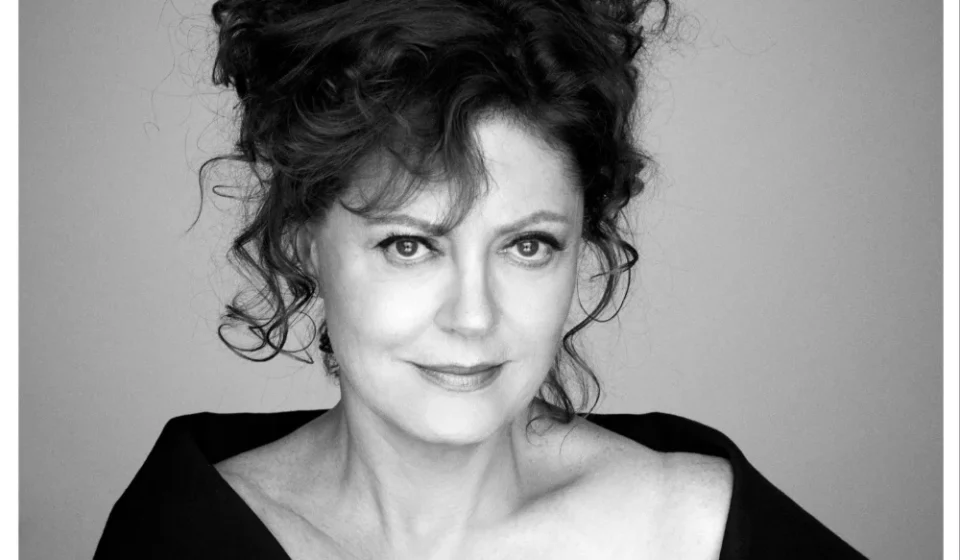
The Rome Film Festival’s prestigious "Alice in the City" sidebar—an independent program dedicated to celebrating the evolution of youth and children’s cinema—has announced that Academy Award-winning actress and activist Susan Sarandon will be the recipient of this year’s Womenlands Excellence Award. The honor, which recognizes women who have carved out singular paths in the realms of culture, entertainment, and activism, serves as a testament to Sarandon’s enduring influence on global cinema and her unwavering commitment to social justice.
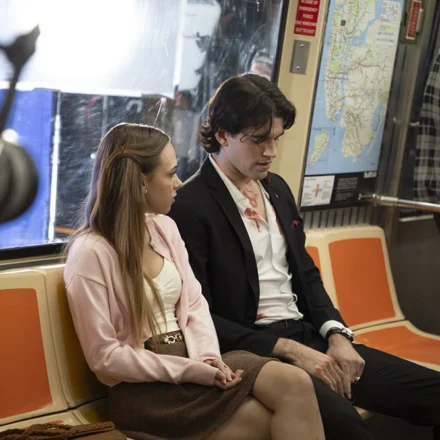
Sarandon’s attendance in the Eternal City is multifaceted. Beyond accepting the accolade, she will be present to spearhead the international launch of The Accompanist, the feature directorial debut of Silicon Valley star Zach Woods. The film, which garnered significant critical acclaim following its premiere at the Tribeca Film Festival in June, features Sarandon in a nuanced, gritty performance that reminds audiences of her unparalleled range.
The Accompanist: A New Chapter in a Storied Career
In The Accompanist, Sarandon portrays Sylvia, a character described as a chain-smoking, sharp-tongued woman who finds herself navigating the unpredictable waters of first-time foster parenthood. Tasked with caring for a spirited eight-year-old named Emily, Sarandon’s character is a departure from the polished, traditional archetypes often found in family-oriented dramedies.
The film has been hailed for its emotional honesty, balancing humor with the stark realities of human connection. For Sarandon, the role is another entry in a career-long commitment to playing women who defy conventional expectations. By choosing a project led by a first-time director like Woods, Sarandon continues to signal her interest in supporting emerging voices while simultaneously challenging herself with material that demands vulnerability and grit.
A Legacy of Defiance: Chronology of an Icon
To understand the significance of the Womenlands Excellence Award, one must look at the trajectory of Susan Sarandon’s career, which has spanned over five decades. Her filmography is not merely a list of titles; it is a map of evolving feminism and social consciousness in film.
The Formative Years
Sarandon’s rise began in the 1970s, a decade defined by cultural upheaval and the breaking of cinematic taboos. Her role as Janet Weiss in The Rocky Horror Picture Show (1975) transformed her into a cult icon, setting the stage for a career that would prioritize subversion over stardom.
The Mid-Career Renaissance
The 1980s and 90s cemented her status as one of the most bankable and respected performers in Hollywood. From the dark, atmospheric allure of The Hunger (1983) to the supernatural camp of The Witches of Eastwick (1987), Sarandon showed an affinity for roles that challenged the "damsel in distress" narrative.
However, it was the 1991 cultural touchstone Thelma & Louise that elevated her to a symbol of female liberation. Alongside Geena Davis, Sarandon explored the complexities of friendship, rebellion, and autonomy. This momentum culminated in her 1995 Academy Award win for Best Actress for her harrowing, empathetic portrayal of Sister Helen Prejean in Dead Man Walking, a film that also served as an early indicator of her lifelong commitment to political and social advocacy.
The Philosophy of Autonomy: Official Perspectives
The organizers of the Alice in the City program provided a rare, in-depth statement regarding their decision to honor Sarandon. They emphasized that her career cannot be distilled into a single archetype or a "model" of womanhood.
"From The Rocky Horror Picture Show to The Hunger, from The Witches of Eastwick to Thelma & Louise, to Dead Man Walking, Sarandon has spanned decades of cinema, building a gallery of female characters that cannot be reduced to a single model," the festival stated. "These are women who question identity, desire, power, rules, and freedom."
Perhaps most importantly, the festival highlighted her professional conduct off-screen: "The common thread running through her journey is not only the roles she has chosen. It is also her ability to maintain her own autonomy from the Hollywood system, bringing together artistic choices, personal freedom, and consistency of her own convictions."
This recognition is particularly poignant given the current climate of the film industry, where the pressure to conform to commercial interests often conflicts with personal integrity. By honoring Sarandon, the Rome Film Festival is validating a career model based on intellectual and moral consistency rather than mere box-office output.
Implications: Art, Activism, and the Hollywood "Shun"
The celebration of Sarandon’s career in Rome comes at a complex time in her professional life. In September, while attending the Venice Film Festival for the screening of Italian director Andrea Pallaoro’s The Echo Chamber, Sarandon spoke candidly about the repercussions of her political stance.
Sarandon, a vocal supporter of Palestinian rights, has been open about the professional costs of her activism. In discussions during the festival, she noted that she has faced significant pushback from Hollywood studios and industry gatekeepers, suggesting that her outspoken nature has resulted in a "shunning" that has impacted her career opportunities.
This tension between her status as a global cinema icon and her standing within the studio system adds a layer of weight to the Womenlands Excellence Award. The award is not just a lifetime achievement honor; it is a defiant gesture from the international film community. By celebrating her, the Rome Film Festival is effectively challenging the "Hollywood system" that Sarandon claims has sidelined her. It posits that an artist’s value is found not in their silence, but in the courage of their convictions.
Contextualizing the Womenlands Excellence Award
The Womenlands Excellence Award is a significant pillar of the Alice in the City sidebar. It is designed to spotlight women who have distinguished themselves in the worlds of culture, entertainment, and activism. Previous recipients have included Paz Vega, Nastassja Kinski, and acclaimed Italian director Laura Luchetti.
These women share a common trait: they are not merely performers or creators, but figures who have influenced the discourse surrounding their craft. By joining this list, Sarandon is being recognized for her role in shaping the cultural landscape of the 21st century as much as the 20th.
The Road Ahead: The Rome Film Festival 2025
The Rome Film Festival, which is scheduled to run from October 13 to October 25, is poised to be a major cultural event. With Sarandon at the center of the conversation, the festival will serve as a platform for discussions on the intersection of cinema and the real-world issues that inform it.
The inclusion of The Accompanist in the program is a strategic move that bridges the gap between Sarandon’s storied past and her future-facing artistic choices. It serves as a reminder that even after decades of achievement, she remains a working actor, constantly searching for stories that reflect the complexities of the human condition.
As audiences gather in Rome, they will not only be celebrating a legendary filmography; they will be witnessing a dialogue between a veteran artist and a rapidly changing industry. Whether through her on-screen performances or her off-screen advocacy, Susan Sarandon remains a figure who demands to be reckoned with—a testament to the power of the artist to stay true to themselves in an industry that rarely rewards the unconventional.
Supporting Data and Industry Context
- Event: Rome Film Festival (Alice in the City Sidebar)
- Dates: October 13–25
- Key Work: The Accompanist (Directed by Zach Woods)
- Award: Womenlands Excellence Award
- Historical Significance: Recognition of career autonomy and persistent activism.
In conclusion, the decision to honor Susan Sarandon is both a retrospective look at a transformative career and a contemporary statement on the importance of artistic freedom. As she prepares to take the stage in Rome, the discourse surrounding her life and work serves as a reminder of the enduring power of cinema to reflect the struggles, joys, and complexities of the human experience. Whether she is playing a foster parent in an indie dramedy or speaking truth to power in the public square, Sarandon remains a singular, indomitable force in the history of film.