The "No Strings Attached" Paradox: When Hollywood’s Casual Romances Defy the Script

Life, as the old adage goes, often imitates art. But in the case of Hollywood’s most high-profile romantic gambles, the script is frequently rewritten by the participants themselves. For years, the concept of a "friends with benefits" arrangement has served as the backbone of blockbuster rom-coms, typically concluding with the sobering realization that romantic entanglement and casual intimacy are inherently incompatible. Yet, in the real world of celebrity, these "no strings attached" pacts have led to everything from decade-long marriages to unconventional, modern lifestyle choices that challenge traditional relationship norms.
The Cinematic Blueprint and Real-Life Deviations
The fascination with the "friends with benefits" trope reached a fever pitch in 2011, a year that saw two major studio films—No Strings Attached, starring Ashton Kutcher and Natalie Portman, and Friends With Benefits, featuring Mila Kunis and Justin Timberlake—dominate the box office. The central thesis of both films was clear: mixing sex with friendship is a recipe for emotional disaster.
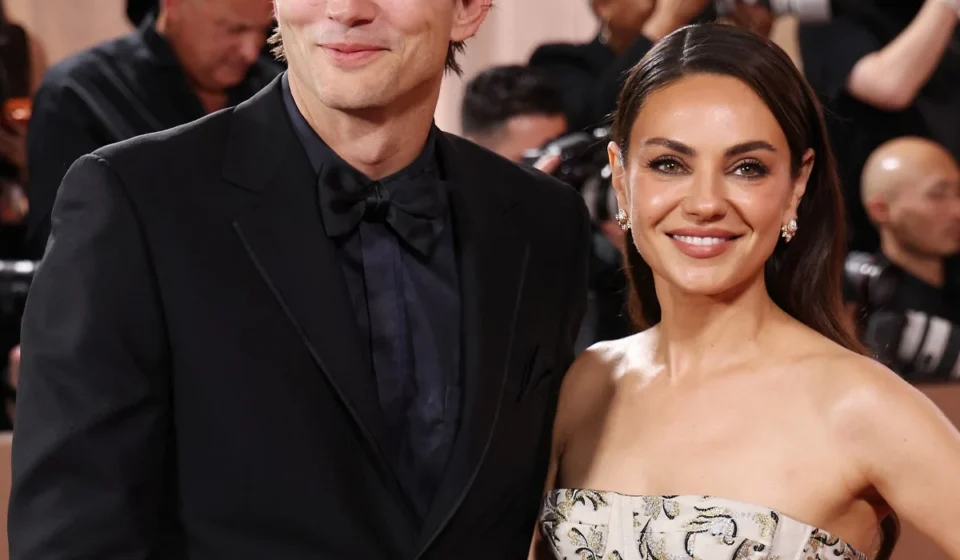
Ironically, Mila Kunis and Ashton Kutcher, who would later become one of Hollywood’s most enduring couples, found themselves living out the very plot they had portrayed on screen. Following the conclusion of their time on the cult classic That ’70s Show, the two reconnected years later at the 2012 Golden Globes. Both were single, and both shared a long-standing history of mutual trust.
"We were just like, ‘Let’s just hook up. Let’s have fun. We’re both single. We both trust each other. Everything’s great,’" Kunis recalled during a 2018 appearance on the WTF with Marc Maron podcast.
However, the "no strings" pact lasted roughly three months before the reality of their connection shifted. Kunis admitted that she began to develop genuine feelings, leading her to reach out to Kutcher to walk away before the situation became "too much." Instead of a clean break, Kutcher pivoted, famously inviting her to move in the very next day. Today, over a decade later, the couple remains married with two children—a cinematic "happily ever after" that arguably serves as the ultimate outlier to the cautionary tales they once helped market.
Chronology: A History of Casual Arrangements
While the Kutcher-Kunis romance is the most famous example of a pact turned permanent, the history of celebrity "situationships" spans decades, reflecting evolving attitudes toward dating and autonomy.
The 1990s: Early Reflections on Youthful Ambiguity
Long before he was an Academy Award-nominated director and global superstar, Bradley Cooper was a college-aged intern at the Philadelphia Daily News. In a 1993 op-ed, a young Cooper mused about his relationship with a high school best friend, Deborah Landes. His writing captured the quintessential confusion of young adulthood, where lines between platonic affection and romantic interest blur. "We really don’t know how to be anything other than best friends," he wrote at the time, noting that while their closeness looked like a relationship to outsiders, the label felt "too weird to imagine."
The 2000s and 2010s: The Era of Discretion
As the entertainment industry became more comfortable discussing non-traditional dynamics, stars like Matthew Perry began to pull back the curtain. In his 2022 memoir, Friends, Lovers and the Big Terrible Thing, the late actor revealed that his six-year romance with actress Lizzy Caplan began as a casual arrangement. Perry, who passed away in 2023, expressed a lingering sentimentality about the relationship, admitting that he often wondered "what if"—specifically, whether a proposal could have led to a traditional family life.
Similarly, during the mid-2010s, The Real Housewives of New York City star Sonja Morgan navigated a discreet arrangement with businessman Tom D’Agostino. Morgan described the relationship as a "nice understanding" between two adults in their 50s, emphasizing that such arrangements were common and pragmatic.
The 2020s: Redefining Autonomy at Any Age
In recent years, the conversation has shifted from "the risk of catching feelings" to the "benefits of independent companionship." Iconic actress Dyan Cannon, at 88 years old, has openly discussed her preference for maintaining multiple "friends with benefits" partners. Her stance reflects a growing trend among older adults who prioritize companionship over the legal and social constraints of traditional marriage. Likewise, Fran Drescher has been vocal about her "rotation" of partners, framing it not as a compromise, but as a deliberate choice for a woman who knows exactly what she wants—and doesn’t want—from a partner.
Supporting Data: Why the "Friends With Benefits" Model Persists
Sociologists and relationship experts have long debated the viability of the "friends with benefits" (FWB) model. Research suggests that while many of these arrangements do end in the dissolution of the friendship, a significant percentage—often cited in lifestyle studies—evolve into either long-term romantic relationships or remain stable, mutually beneficial, and strictly platonic-plus arrangements.
The "upside," according to proponents like Florence Henderson, who spoke of her own arrangements with great fondness in 2015, is the removal of the pressure to conform to traditional domesticity. Henderson, having been widowed, found that a "Same Time, Next Year" style of connection offered the perfect balance of intimacy and independence.
For celebrities, this model offers a specific buffer against the scrutiny of the public eye. When a relationship is defined as "casual," the media pressure to announce an engagement, a breakup, or a "scandal" is mitigated. It allows individuals to maintain their privacy while still enjoying the benefits of romantic or sexual companionship.
Official Responses and Public Perception
The public response to these revelations is often a mix of fascination and moralizing. When stars like Courtney Love discuss their "libertine" lifestyles—noting that they prefer partners who share the same lack of desire for traditional labeling—it challenges the public’s obsession with "who is dating whom." Love’s insistence on keeping her personal life private, citing the "jealousy" that can arise from public scrutiny, highlights the primary reason many celebrities opt for these arrangements: safety.
Conversely, the criticism often leveled at these arrangements—that they are emotionally immature or destined for heartbreak—is countered by the participants themselves. For the stars involved, the decision to engage in a non-traditional dynamic is frequently a sign of maturity, not an avoidance of it. It represents a clear communication of needs, boundaries, and expectations.
Implications: The Future of Celebrity Romance
What does the persistence of the "friends with benefits" model mean for the future of public relationships?
- Normalization of Non-Linear Paths: The Kutcher-Kunis arc demonstrates that relationships do not have to follow a linear path of "dating, engagement, marriage." By starting with a "no strings" pact, they were able to build a foundation of trust that later supported a more traditional commitment.
- The Rise of Independent Companionship: As demonstrated by Dyan Cannon and Fran Drescher, there is an increasing acceptance that marriage is not the "end goal" for everyone. The normalization of "rotations" or "casual partners" suggests that in the 21st century, individual happiness is being prioritized over societal scripts.
- The Privacy Defense: In an era of constant surveillance, keeping a relationship in the "friends with benefits" category provides a layer of protection. It keeps the relationship within a private sphere, shielded from the pressures of red-carpet appearances and press releases.
Ultimately, the "no strings attached" phenomenon reveals that human connection is far more complex than the scripts of 2011 rom-coms would have us believe. While the movies told us that these arrangements were meant to fail, the real-world experiences of these public figures suggest something else: sometimes, it is precisely the lack of strings that allows a connection to grow, evolve, or simply exist in a way that is honest, sustainable, and entirely on the participants’ own terms.
Whether it leads to an eleven-year marriage or a discreet, decades-long friendship, the common thread remains the same: the power to define the terms of one’s own intimacy.