The Invisible Architecture of Fear: Behind the Visual Effects of Stranger Things Season 5

The final season of the Duffer Brothers’ Stranger Things is more than just a television event; it is a masterclass in modern hybrid filmmaking. As the landmark Netflix series drew to a close, the challenge of depicting the Upside Down—a realm defined by its impossible geometry and terrifying inhabitants—fell to lead visual effects supervisor Betsy Paterson. Tasked with managing a three-year production cycle, Paterson’s mandate was not merely to oversee "digital versus practical" effects, but to weave these disciplines into a singular, seamless tapestry.
The resulting work, which marks a high-water mark for television VFX, serves as a rebuttal to the industry’s ongoing identity crisis: the persistent, often performative, public insistence that "everything was done in-camera." Stranger Things has never had the luxury of that fiction. By prioritizing physical, on-set interactions, the production ensured that the digital horrors of the Upside Down were tethered to the tangible reality of the performances, creating a sense of dread that is as visceral as it is technical.
The Philosophical Foundation: Bridging the Digital Divide
When Paterson joined the production at the inception of the Season 5 scripts, she brought a philosophy of "collaborative necessity." Her goal was to identify the exact point where a physical element—a stunt, a prop, or a lighting effect—could support a digital asset.
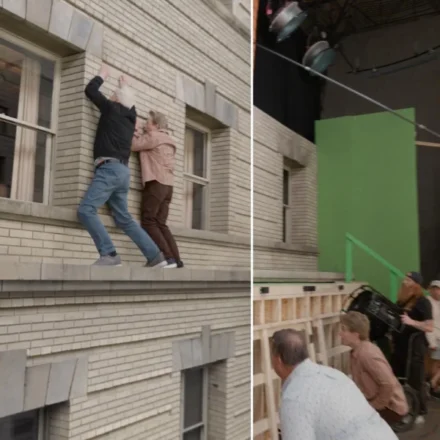
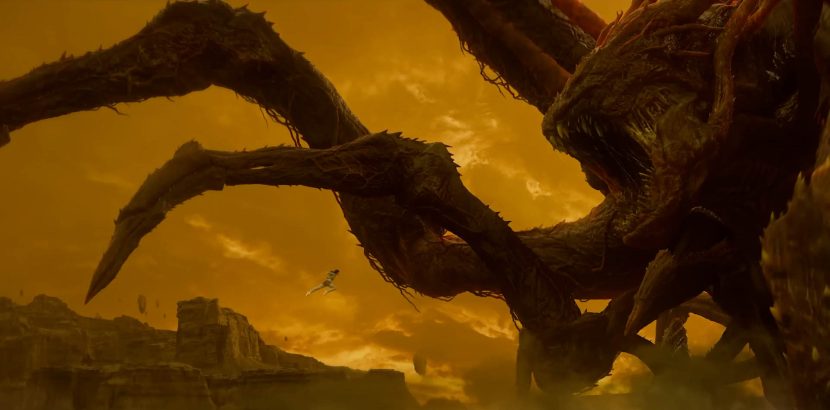
"We need to do as much as possible in the real world, and the line becomes when it is just not possible anymore," Paterson explains. This approach is evident in the show’s handling of its iconic monsters. A Demogorgon may be an entirely CG creation, but the vase it shatters, the table it dents, and the stunt performer it physically interacts with are real. By providing actors with physical resistance, genuine eyelines, and tactile props—ranging from weighted sandbags to sophisticated stunt-harness pulls—Paterson’s team ensured that the cast was not acting against "nothing."
Previsualization (previs) served as the production’s common language. It allowed the team to map out the geography of large-scale sequences, such as the final battle, while remaining flexible enough to accommodate the organic, improvisational choices made by actors during rehearsals. For a critical quarry sequence, the crew utilized an augmented-reality (AR) setup, allowing them to view the CG creature at scale through iPads on set. This provided the camera crew with accurate framing, while practical sand bursts signaled the monster’s footfalls, giving the actors a sense of timing and scale that is often lost in purely digital workflows.
Chronology of a Production: From Previs to Final Grade
The creation of Season 5 was a rigorous, three-year undertaking. The process began with a full year of intensive preparation, during which the VFX department acted as a hub, integrating with production design, stunts, and hair and makeup.
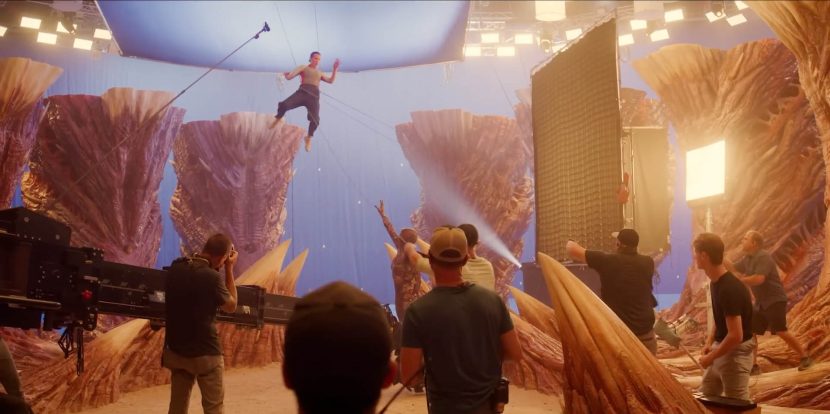
- Year 1: Foundation and Previs: The team established the visual language of the final season, creating digital storyboards that resolved complex spatial problems. By mapping out the environment of the quarry and other key locations, the production was able to "cheat" geography, allowing them to film on smaller, manageable sets while maintaining the illusion of vast, coherent spaces.
- Year 2: Principal Photography: The shoot was defined by a hybrid approach. Departments worked to build modular sets, such as the laboratory glass walls, which were designed to be adjusted or removed based on the needs of the shot. This meant that the cinematographer and the VFX team were in constant communication, ensuring that reflections and lighting hits could be managed both on set and in post-production.
- Year 3: Post-Production and Integration: The final year was dedicated to the heavy lifting of Wētā FX and ILM. With over 300 shots reviewed on peak days, the pipeline was characterized by constant iteration. The proximity of the colorist to the VFX team was a critical innovation; by involving the final grade early in the process, the team could apply representative LUTs to WIP (work-in-progress) shots, ensuring the lighting of digital creatures was perfectly matched to the scene’s final look.
Supporting Data: The Case of Vecna and Young Will
The most daunting technical hurdle of the season was the recreation of "Young Will." The production required a seamless de-aging process that would hold up under intense, sustained close-ups.
To achieve this, the team cast a young performer whose physical proportions mirrored those of a young Noah Schnapp. Through a combination of traditional CG facial modeling and an exhaustive reference library—comprising Season 1 footage, outtakes, and publicity material—Wētā FX was able to synthesize a digital performance. The process involved a high-density capture package, utilizing witness cameras on set to provide multiple viewpoints for the animators. The "mouth" remained the ultimate test; according to Paterson, the subtle muscle transitions required to make a digital face "speak" are the difference between an uncanny, distracting effect and a believable character.
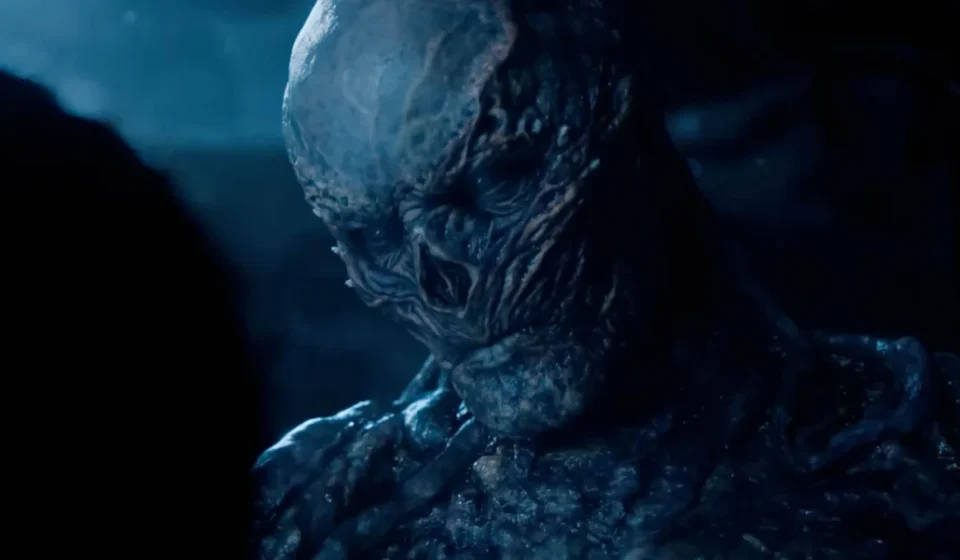
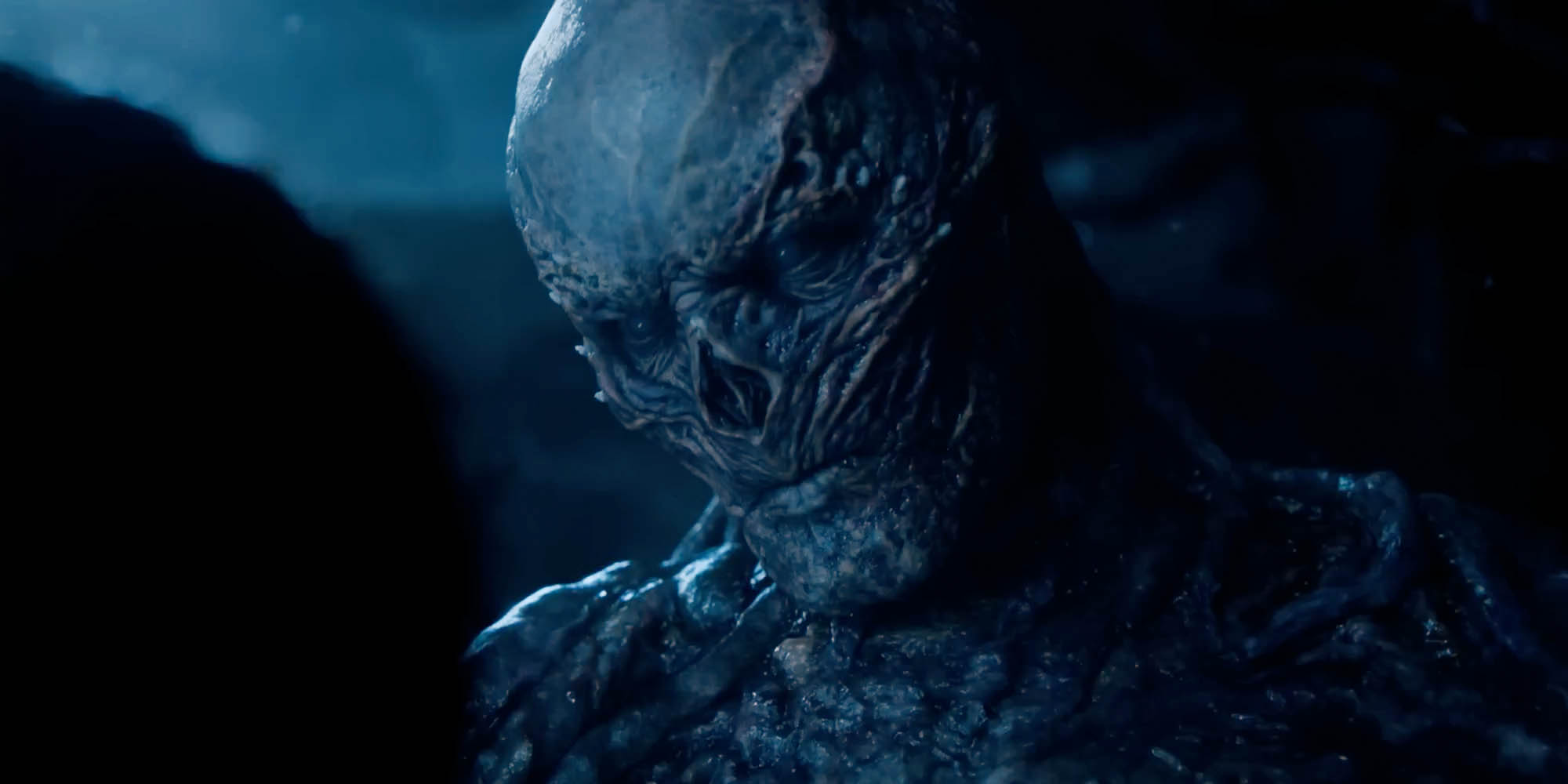
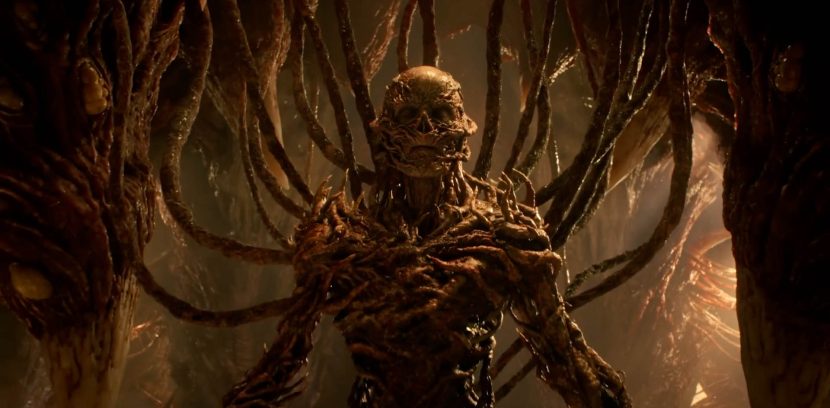
Vecna, portrayed by Jamie Campbell Bower, presented a different set of challenges. Rather than relying on a traditional motion-capture suit, which would have stripped Bower of his physical presence, the production opted for a hybrid approach. Bower wore a slim-profile suit with minimal tracking markers. This allowed him to remain the "frightening presence" on set, interacting with other actors in real-time. Even his request for shoulder and underarm padding—added to give his silhouette a more imposing, unnatural frame—was integrated into the digital model. This decision increased the paint-and-replace workload for the VFX team but provided an irreplaceable foundation of character performance that a blank CG suit could never replicate.
Official Responses and Collaborative Synergy
The success of Season 5 hinges on the "negotiated minimums" between departments. The VFX teams at Wētā FX and ILM, along with supporting vendors like Eyeline, Rodeo FX, and BigHug FX, operated under a mandate of total integration.
"Even if you are going to replace every pixel, it gives everyone a very solid point of reference for what the shot really is," says Paterson. This sentiment is echoed across the production. The collaboration between the Duffer Brothers and the supervisors ensured that the creative vision was never sacrificed to technical convenience.
A prime example is the "tendril in the mouth" sequence for Young Will. While the final organic tentacle is a digital creation, the production developed a specialized, scuba-style mouthpiece that allowed the actor to feel the sensation of the object between his teeth. This small, practical detail provided the basis for the actor’s physical reaction, which, in turn, informed the digital animation. By valuing the "small loops" between departments—the gimballed glass, the padding, the sand bursts—the production created a level of immersion that feels tangible rather than synthesized.
Implications: The Future of Hybrid Production
The legacy of Stranger Things Season 5 lies in its rejection of the binary choice between "practical" and "digital." The industry has long grappled with the idea that digital effects are an "easy out," but this season demonstrates that high-end VFX is most effective when it is treated as an extension of the production design, not a replacement for it.
The implications for the broader industry are clear:
- Early Integration is Non-Negotiable: By embedding VFX supervisors into the script-reading phase and the early stages of production design, the show eliminated the "fix-it-in-post" mentality.
- Performance-First Capture: The decision to retain as much of Jamie Campbell Bower’s performance as possible—even at the cost of significantly more digital cleanup—proves that audiences respond to the "human" element in a creature performance, even if the final result is 90% digital.
- The Death of the "Blank" Scene: The shift toward on-set AR and practical interaction cues marks a move away from the "green screen void." Future productions will likely adopt this model of "shared reality," where the digital and physical environments are designed to coexist from the very first day of production.
In conclusion, Stranger Things concludes its run by proving that the most convincing magic happens in the gray space between a physical prop and a rendered pixel. Through meticulous planning, a respect for the actor’s performance, and a refusal to rely on digital solutions as a crutch, Betsy Paterson and her team have set a new standard for what is possible in serialized, high-concept storytelling. The Upside Down may not be real, but after this final season, it is impossible to deny its weight.