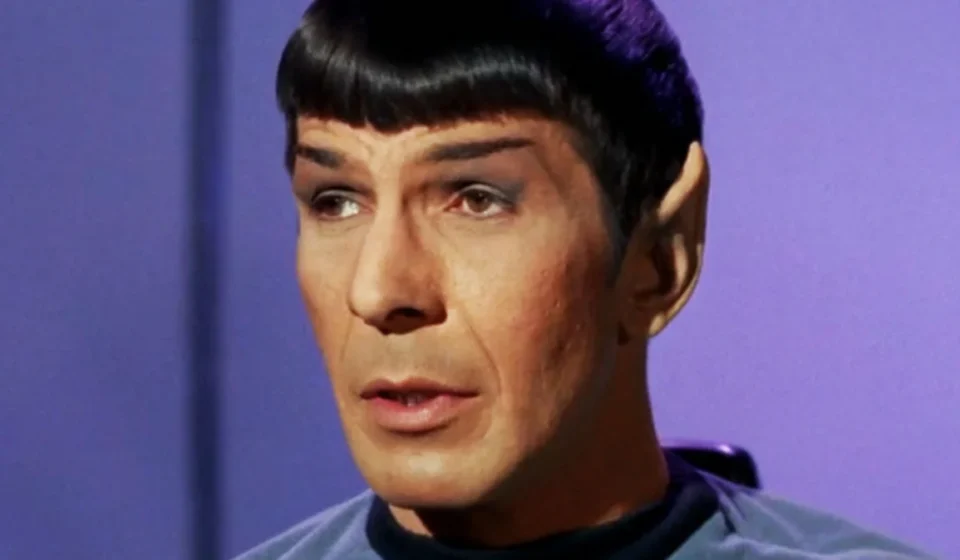

Long before Leonard Nimoy became an icon of logic, rationality, and extraterrestrial diplomacy as Mr. Spock on Star Trek, he was a prolific jobbing actor in the trenches of the 1950s and 1960s television industry. Among the hundreds of credits that populated his early career, none offer a more fascinating window into the shifting landscape of mid-century television than his guest-starring role in the short-lived, enigmatic Western series A Man Called Shenandoah.
While modern audiences primarily associate Nimoy with the futuristic corridors of the U.S.S. Enterprise, his path to the stars was paved in the dusty, treacherous terrain of the American frontier. Examining his role in A Man Called Shenandoah provides not only a glimpse into a forgotten television curiosity but also a nuanced look at the evolution of an actor who would eventually define a cultural phenomenon.
The Genesis of an Enigma: A Man Called Shenandoah
A Man Called Shenandoah hit the airwaves on ABC in September 1965, occupying a space in the television landscape that was already beginning to feel crowded with Western tropes. The series starred Robert Horton, who had previously achieved massive fame as the scout Flint McCullough on the long-running Wagon Train.
The premise of the show was inherently dramatic: a man is found shot and left for dead in the frontier of the 1870s. Upon awakening, he discovers he has total amnesia—he has no name, no past, and no memory of the violent events that led to his near-death experience. Given the moniker "Shenandoah" by a local doctor, the character spends his days wandering the West, attempting to reconstruct his fractured identity.
The series was a somber, character-driven affair that ran for only 34 black-and-white episodes before its cancellation in May 1966. Despite its brevity, it served as a high-quality showcase for guest stars, attracting heavy hitters like Ed Asner, Bruce Dern, Martin Landau, and Cloris Leachman. Among these luminaries was Leonard Nimoy, appearing in Season 1, Episode 17, titled "Run, Killer, Run."
A Chronology of Nimoy’s Western Career
To understand the significance of Nimoy’s appearance in A Man Called Shenandoah, one must look at the broader timeline of his career. Nimoy was a "working actor" in the purest sense, taking roles across a wide spectrum of genres. However, the Western was a dominant force in television programming during his rise, and Nimoy found himself cast repeatedly in these productions.
- 1957–1962: Nimoy appears in multiple episodes of Wagon Train, the very show that birthed the career of Shenandoah star Robert Horton. During this period, Nimoy was frequently typecast in roles requiring him to portray Native American, Mexican, or Spanish characters.
- 1962–1965: Nimoy’s Western resume grows exponentially. He features in episodes of Gunsmoke, The Virginian, Rawhide, and Broken Arrow (where he played three distinct characters).
- 1966 (January): Nimoy appears in "Run, Killer, Run," his single turn on A Man Called Shenandoah.
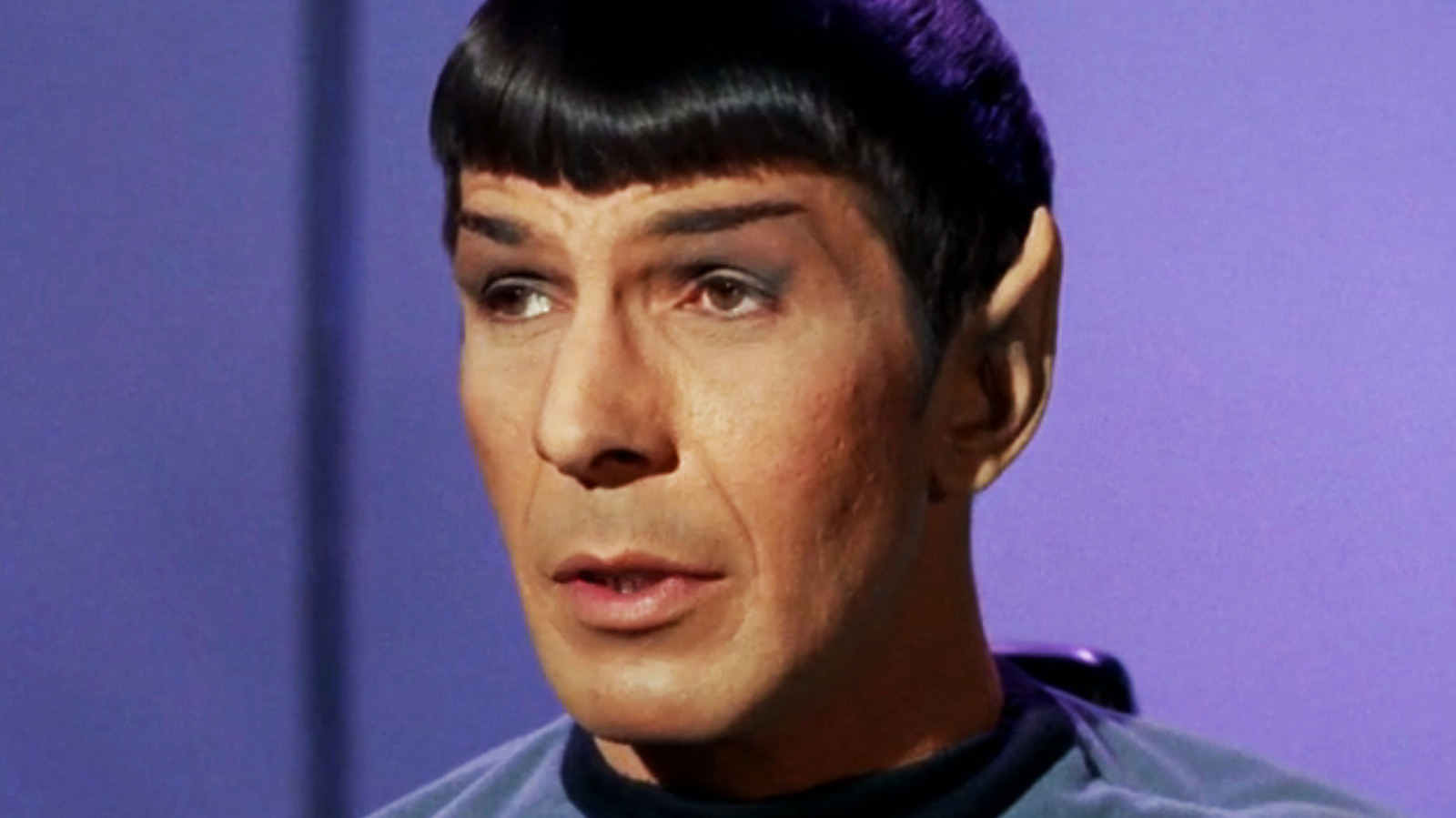
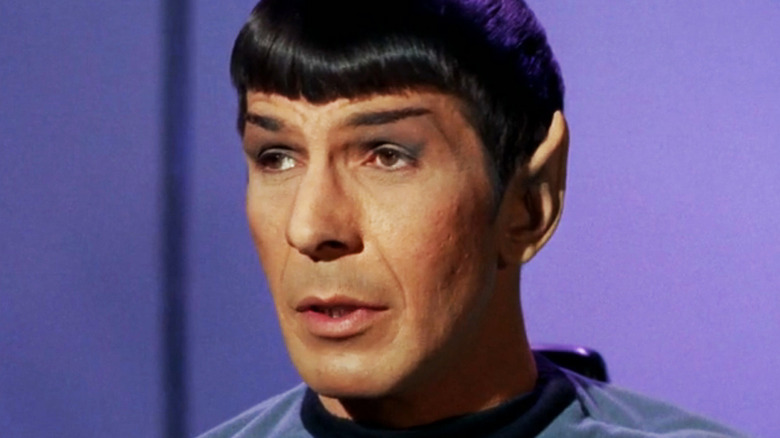
- 1966 (September): Four months after the cancellation of Shenandoah, Nimoy debuts as Mr. Spock in Star Trek, marking the end of his steady diet of Western bit parts and the beginning of his transformation into a pop-culture icon.
The Ethical Complications of Early Roles
One cannot discuss Nimoy’s pre-Star Trek career without addressing the industry’s problematic reliance on "ethnic" casting. Nimoy, a Jewish actor with no Native American ancestry, was frequently cast in roles representing indigenous peoples—a practice that was standard in Hollywood at the time but is now rightly viewed as a failure of representation.
In his later years, Nimoy was candid about these roles. In the book Stars of David: Prominent Jews Talk About Being Jewish, he provided a sobering reflection on the industry’s practices. "The first Indian role that I took was a role that a Native Indian turned down because the Indian character was so unredeemably bad," he noted. "I was happy to get the work, thank you very much."
This admission highlights the precarious position of actors in the 1960s, who often felt they had little agency in refusing roles. While these performances remain a "blemish" on his record, they serve as a historical marker for how far the industry—and Nimoy himself—would travel in the decades that followed. By the time he played Del Hillman in A Man Called Shenandoah, Nimoy was playing a "straight up" cowboy hitman, a role that moved away from the stereotypical "Indian brave" tropes he had been forced to inhabit previously.
"Run, Killer, Run": A Case Study in Character Acting
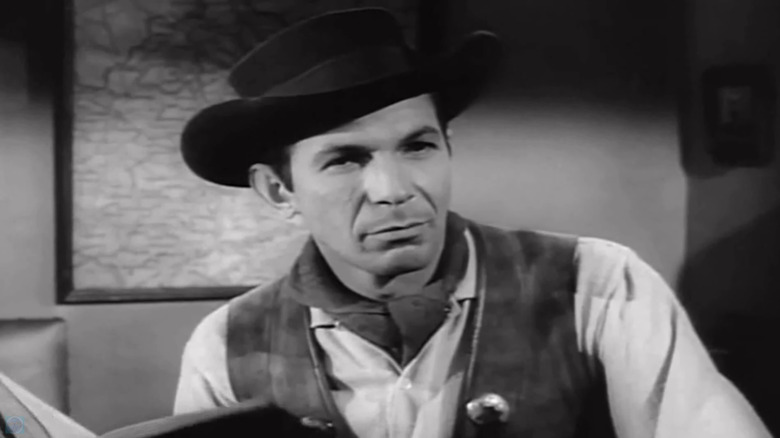
In the episode "Run, Killer, Run," Nimoy plays Del Hillman, a mercenary hired by a nervous hotel proprietor named Matthew Crawson. The plot revolves around the realization that Shenandoah (Horton) is a witness to a murder committed by Crawson. Hillman is the instrument of silence, a gunslinger tasked with eliminating the amnesiac hero for a fee of $200.
The episode is quintessential mid-60s television: taut, dialogue-heavy, and focused on the moral gray areas of the frontier. Nimoy’s performance as Hillman is notably effective. He brings a cold, calculated efficiency to the role, a stark departure from the emotional volatility often seen in the villains of that era.
Interestingly, Hillman ultimately fails in his mission. He is wounded by Shenandoah and ends up on a doctor’s table, where he is eventually smothered by his employer to ensure his silence. It is a grim, disposable role, yet Nimoy imbues Hillman with a sense of weary professionalism that elevates the episode. It is a masterclass in the kind of high-stakes, low-budget acting that defined the era, showcasing Nimoy’s ability to command the screen even in a guest-starring capacity.
The Intersection of Westerns and Science Fiction
There is a profound irony in the fact that Wagon Train—the very show that employed Nimoy as a recurring guest star—was a primary inspiration for Gene Roddenberry when he first pitched Star Trek. Roddenberry famously marketed Star Trek as "Wagon Train to the stars."
This connection highlights the fluid transition between genres in the 1960s. The skills required to survive in the Old West—the stoicism, the rhythmic dialogue, and the physical presence—were precisely what Nimoy would later synthesize to create the character of Spock. When he landed the role of the Vulcan science officer, he was not merely an actor stepping into a suit; he was a veteran of a thousand desert skirmishes, seasoned by years of portraying everything from a Mexican outlaw to a frontier hitman.
Implications for Modern Audiences
Why does this forgotten role matter today? For fans of Leonard Nimoy, it serves as a testament to the "hustle" of the mid-century actor. The image of Nimoy as an intellectual, soft-spoken icon of the future is juxtaposed brilliantly against the image of him as Del Hillman, a hired gun in a dusty, nameless town.
Furthermore, the cancellation of A Man Called Shenandoah—a show that never provided its lead with the closure of discovering his own identity—serves as a poignant metaphor for the fleeting nature of the television industry. Thousands of hours of content from that era remain lost in the shuffle of history, only to be rediscovered through the lens of the actors who eventually became legends.
The story of Nimoy’s time on Shenandoah is ultimately a story about the path to greatness. It reminds us that even the most iconic stars began as faces in the background, playing villains, scouts, and drifters, honing their craft in the shadow of the giants of their time.
Conclusion
Leonard Nimoy’s contribution to A Man Called Shenandoah was a small but significant piece of a much larger puzzle. It was a role that occupied a space between the era of stereotypical casting and the era of his eventual ascension to the stars. By revisiting these forgotten episodes, we gain a deeper appreciation for the man behind the Vulcan ears—a dedicated, versatile, and ultimately resilient performer who thrived in the rugged, unforgiving world of the Western long before he ever set foot on the bridge of the Enterprise.