The Anatomy of a Trap: Reflecting on ‘Saw II: Flesh and Blood’ Ahead of the ‘Genesis’ Revival

The Saw franchise has long been a polarizing titan of the horror genre. Since James Wan and Leigh Whannell’s 2004 debut, the series has moved beyond mere cinema, attempting to permeate the interactive landscape of video games. As anticipation builds for Saw: Genesis—the upcoming title spearheaded by the masters of psychological atmosphere at Bloober Team—the gaming community finds itself looking back at the franchise’s checkered history. To understand where the series is going, we must first dissect where it has been, specifically the visceral, often misunderstood, and critically maligned Saw II: Flesh and Blood.
The Legacy of Jigsaw in Interactive Media
The Saw series is built upon a foundation of moral philosophy disguised as torture porn. Translating this into a video game environment presents a unique set of challenges. How does one gamify the feeling of helplessness? How does one make the player feel the weight of a life-or-death decision?
In 2010, Zombie Studios attempted to refine the formula established by their previous effort, Saw: The Video Game. Released for the PlayStation 3 and Xbox 360, Saw II: Flesh and Blood aimed to expand the scope of the original’s claustrophobic puzzle-solving, moving the action into a wider variety of industrial and urban environments. While it failed to capture the hearts of mainstream critics, the game remains a fascinating artifact of the era—a period when licensed horror games were often rushed, underfunded, and struggling to find a mechanical identity.
A Chronology of Chaos: Setting the Narrative
Saw II: Flesh and Blood occupies a unique space in the Saw canon. Serving as a direct narrative bridge between the first and second films, the game follows Michael Tapp, the vengeful son of Detective David Tapp (famously portrayed by Danny Glover in the original film).
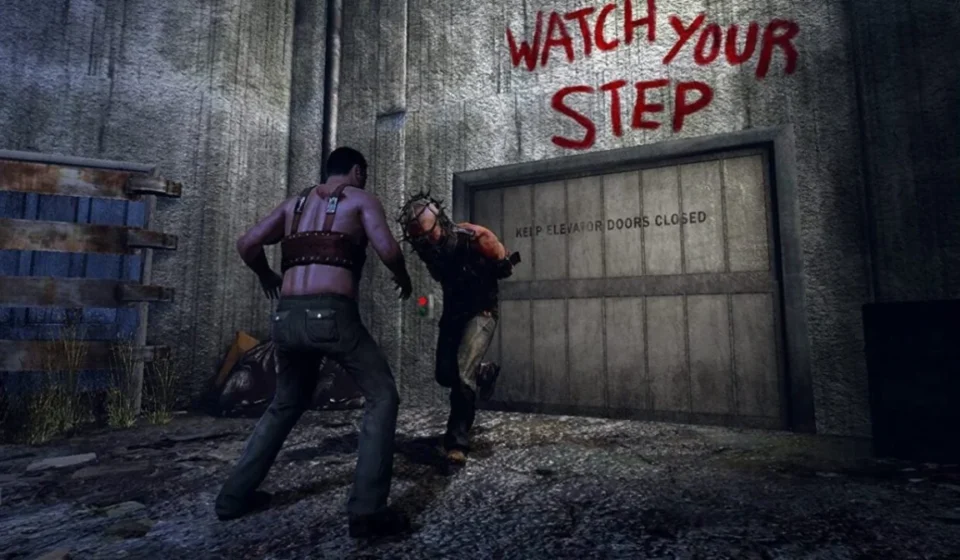
Michael’s journey is a grim descent into the inner workings of John Kramer’s twisted psyche. As he navigates decrepit hotels, abandoned industrial factories, and damp, claustrophobic sewers, the player is forced to confront the "Jigsaw Philosophy." Unlike the first game, which felt largely contained, Flesh and Blood pushed for a larger, more cinematic narrative.
The Structural Flow of the Game
The game’s progression is rhythmic, oscillating between high-tension environmental puzzles and brutal, QTE-heavy (Quick Time Event) combat sequences. For many, these QTEs were a point of contention. However, when viewed through the lens of the era’s design language, they mirrored the frantic, desperate nature of the Saw films. Players were required to act with the same split-second urgency as the characters trapped in Kramer’s deathtraps.
The "Flesh and Blood" Twist: A Narrative Masterclass
It is impossible to discuss this title without addressing its most ambitious narrative gamble. In a stroke of clever writing, the game opens not with Michael Tapp, but with a drug addict named Campbell. Through the early stages, the player assumes they are playing the protagonist’s narrative arc, only to be confronted with a choice that echoes throughout the entire experience.
The pivotal moment involves Campbell being forced to choose: save himself, or sacrifice himself for a stranger. It is only in the game’s final, harrowing moments that the player realizes the stranger they were tasked with saving was none other than Michael Tapp. This reveal adds a layer of retroactive complexity that few horror games of the 2010s dared to attempt.
Depending on the player’s choices, the game offers multiple endings. In one, the cycle of violence continues unabated; in another, the seeds are planted for Michael to potentially become a Jigsaw apprentice. While the films have yet to canonize Michael’s fate, the mere existence of these branching paths provided the game with a replayability factor that its contemporaries lacked.
Supporting Data: The Critical Reception
Despite its narrative ingenuity, Saw II: Flesh and Blood was met with a chorus of negative reviews. Critics at the time pointed toward technical inconsistencies, clunky combat mechanics, and a general lack of polish as the primary culprits for its failure.

Common critiques included:
- Repetitive Mechanics: While the puzzles were thematic, many felt they became monotonous by the game’s second act.
- Visual Fidelity: Despite the dark, grimy aesthetic, the game suffered from technical performance issues that hindered the intended "horror" immersion.
- Over-reliance on QTEs: Critics argued that the reliance on timed button presses stripped the player of agency, turning visceral traps into glorified rhythm games.
However, in the years since, a retrospective assessment suggests that the game was perhaps ahead of its time in terms of narrative structure. The desire to see the Saw franchise succeed as a modern horror-thriller experience remains, which is why the announcement of Bloober Team’s Saw: Genesis has generated such significant buzz.
Official Responses and Industry Context
The developers at Zombie Studios were working within the constraints of a licensed property, a notoriously difficult sector of the gaming industry. Their attempt to translate the Saw aesthetic—the rusty pipes, the flashing lights, and the voice of Tobin Bell—was largely successful in terms of atmosphere.
Now, with Bloober Team at the helm, the industry’s expectations have shifted. Having proven their prowess with the Silent Hill 2 remake and Blair Witch, Bloober Team possesses the pedigree to handle the psychological weight of the Saw license. Unlike the rushed development cycles of the early 2010s, modern studios are now focusing on "Prestige Horror," prioritizing atmosphere, pacing, and psychological depth over mere jump scares or repetitive combat.
Implications for the Future: Why ‘Saw: Genesis’ Matters
The failure of Flesh and Blood was not necessarily a failure of the Saw concept, but a failure of execution. The core elements of the franchise—traps that serve as metaphors for character flaws, a pervasive sense of dread, and a complex moral compass—are perfectly suited for the interactive medium.
The implications for Saw: Genesis are profound. If Bloober Team can marry the cinematic intensity of the Saw films with the mechanical sophistication of modern survival horror, they could redefine the franchise entirely. We are moving away from the era where licensed games were viewed as secondary products and into an era where they are treated with the same narrative reverence as their source material.
A New Chapter
If Saw: Genesis succeeds, it will likely be because it moves away from the QTE-heavy combat of the past and toward a more immersive, choice-driven experience. The goal shouldn’t just be to survive a trap; it should be to understand the "why" behind the trap. By focusing on the psychological toll of Jigsaw’s "games," the developers have the opportunity to make the player feel the exact same moral crisis that defines the franchise.
Conclusion
Looking back at Saw II: Flesh and Blood provides us with a clear roadmap of pitfalls to avoid and ambitions to pursue. While it may not be remembered as a technical masterpiece, it was a bold, experimental chapter in the horror genre’s relationship with gaming. It dared to ask questions about agency, sacrifice, and the morality of violence—questions that are more relevant today than ever before.
As we wait for the release of Saw: Genesis, we remain hopeful. The Saw franchise is not just about the blood; it is about the "flesh and blood" humanity that remains even when we are pushed to the brink of extinction. Let us hope that the next outing finally gives Jigsaw the interactive legacy he deserves—a game that is as smart as it is terrifying.