A Chronicle of Defiance: Pegah Ahangarani’s ‘Rehearsals for a Revolution’ Captures the Soul of a Nation

By Editorial Staff
September 16, 2026
In the landscape of modern documentary filmmaking, few works have arrived with the visceral, haunting urgency of Rehearsals for a Revolution. Directed by acclaimed Iranian actress and filmmaker Pegah Ahangarani, the film is not merely a historical account; it is a tapestry of memory, trauma, and the relentless, flickering flame of hope that has defined Iran for nearly half a century. Following a triumphant debut at the 2026 Cannes Film Festival, where it secured the prestigious L’Oeil d’Or for Best Documentary, the film has emerged as the definitive cinematic statement on the Iranian experience. As Sony Pictures Classics prepares to bring this vital work to US audiences on January 8, 2027, the film stands as a testament to the power of the personal archive in the face of systemic erasure.
The Core Narrative: A Portrait of Five Resistances
At its heart, Rehearsals for a Revolution is an intimate, kaleidoscopic exploration of the director’s own life story, refracted through the lives of those closest to her. Ahangarani centers the film on five distinct portraits—relatives and mentors who represent five different expressions of resistance. By threading these personal narratives into the broader fabric of Iranian history, Ahangarani avoids the clinical detachment of a traditional history lesson, opting instead for a deeply humanistic approach.
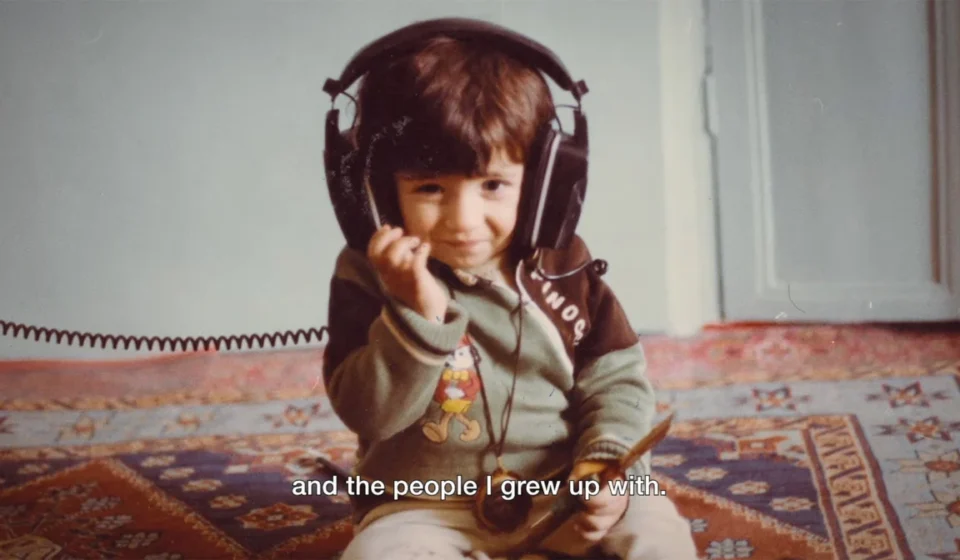
The film serves as an archaeological dig through time. Ahangarani meticulously sifts through personal archives, long-forgotten home videos, grainy footage from street protests, weathered newspaper clippings, and raw, recorded voices. These fragments are woven together to span more than 40 years of Iranian history, beginning with the seismic shifts of 1979 and culminating in the onset of the conflict in 2026. The result is a portrait of a nation in constant flux, shaped by the crushing weight of political repression yet eternally bound to the promise of a future revolution.

A Chronology of Struggle: From 1979 to the Present
To understand the weight of Rehearsals for a Revolution, one must understand the timeline it inhabits. The film functions as a bridge between the ideological fervor of the late 20th century and the geopolitical volatility of the mid-2020s.
The Foundation of Discontent (1979–1990s)
Ahangarani begins by grounding the viewer in the immediate aftermath of the 1979 revolution. Through the eyes of her mentors—many of whom were present for the initial uprising—the film captures the optimism of the early days, followed by the slow, systematic narrowing of civil liberties. This section of the film is vital; it establishes the "rehearsal" metaphor. The revolution, as presented by Ahangarani, was not a singular event but a series of attempts, failures, and ongoing efforts to reclaim the national identity.
The Years of Resilience (2000s–2020)
The middle act of the documentary navigates the complexities of the 21st century. Using a mix of archival television and personal family footage, the director illustrates the domestic reality of living under the shadow of sanctions and social restrictions. By focusing on the mundane—a family dinner, a whispered conversation, a forbidden song—Ahangarani highlights how resistance is often practiced in the quiet, private spaces of daily life.
The Contemporary Crisis (2021–2026)
The final movement of the film is perhaps its most harrowing. As the documentary reaches the events of 2026 and the eruption of the current war, the tone shifts from reflective to urgent. The footage of protests and the subsequent state responses are visceral. Ahangarani does not shy away from the pain of the present, framing the current conflict as the latest, and perhaps most difficult, iteration of the cycle of revolution she has been tracing since the film’s inception.

Supporting Data: Why This Film Demands Global Attention
The accolades surrounding Rehearsals for a Revolution are not merely a product of critical hype; they are a recognition of the film’s technical and emotional density.
- The Cannes Recognition: Winning the L’Oeil d’Or (The Golden Eye) at Cannes is the highest honor in the documentary world. Jurors praised the film for its "unflinching honesty" and its "innovative use of found footage to construct a new visual language of dissent."
- The Festival Circuit: Beyond Cannes, the film’s reception at the Telluride Film Festival and the Toronto International Film Festival (TIFF) solidified its status as the "must-watch" documentary of the year. Critics have consistently cited it as a "vital" document that provides a perspective on Iran rarely seen in Western media.
- Production Context: Produced by Kaveh Farnam and Adrià Monés, the film represents a sophisticated collaboration between international producers and the unique, localized vision of an Iranian artist. The production value, even when utilizing low-resolution archival footage, is high, suggesting a masterful editorial process that allows the disparate elements of the film to breathe.
Official Responses and Critical Acclaim
The industry reaction has been near-unanimous. Sony Pictures Classics, known for its discerning eye for international prestige, moved quickly to acquire the film, signaling that they see Rehearsals for a Revolution as a major contender for the upcoming awards season.
"Pegah Ahangarani has created a masterwork that transcends the boundaries of the documentary genre," noted a lead representative from the film’s distribution team. "It is a rare piece of cinema that functions simultaneously as a personal memoir and a historical document of world-altering significance."
Critics have been equally vocal. Reviewers have lauded the film’s central thesis: that history is not just made by armies or leaders, but by the families who continue to love and hope in the face of insurmountable odds. The film’s tagline, "Remember us. Our hearts burned with love," has become a rallying cry for viewers who find themselves moved by the raw vulnerability of the subjects.

Implications: A New Era for Iranian Cinema
The significance of this film extends beyond its critical success. Rehearsals for a Revolution challenges the prevailing Western narrative of Iran. By providing an internal view—an account of the country written by one of its own—Ahangarani forces global audiences to confront the humanity of a people often reduced to headlines and geopolitical abstractions.
The Power of the Archive
Ahangarani’s methodology suggests a template for future filmmakers. In an era where digital footprints are easily scrubbed and historical narratives are frequently rewritten by the state, the preservation of personal archives becomes an act of defiance. The film argues that if we do not document our own lives, the state will do it for us—and it will do so with the intent of erasing our history.
The Role of the Artist in Exile
As a filmmaker navigating the complex relationship between her home country and the global community, Ahangarani’s position is precarious yet powerful. The film effectively functions as a bridge, bringing the stories of those who cannot speak for themselves to an international stage. This raises questions about the responsibility of artists in the diaspora and the transformative power of visual storytelling in international diplomacy and human rights advocacy.
Conclusion: A Must-Watch for the Global Citizen
As we approach the release date of January 8, 2027, the anticipation for Rehearsals for a Revolution is palpable. It is a film that demands to be seen not just by cinephiles, but by anyone concerned with the state of global liberty, the ethics of memory, and the endurance of the human spirit.

Pegah Ahangarani has delivered more than a documentary; she has delivered a lifeline. By piecing together the broken shards of the past, she has created a mirror in which the viewer is forced to look at their own relationship with freedom, sacrifice, and the enduring power of hope. Whether in the theaters of North America or through the eventual expansion of its reach globally, Rehearsals for a Revolution will undoubtedly stand as the definitive historical record of a decade defined by struggle.
In the words of the director, the film is an invitation: "We must remember. Even when the world tries to make us forget, our love and our history are the weapons they cannot take away." When the lights go down and the screen flickers to life this January, the world will have the opportunity to bear witness to that truth.