The Weight of Guilt: Analyzing Gabriel Martins’ ‘On Behalf of My Son’ and the Architecture of Grief

Introduction: A Study in Accountability and Loss
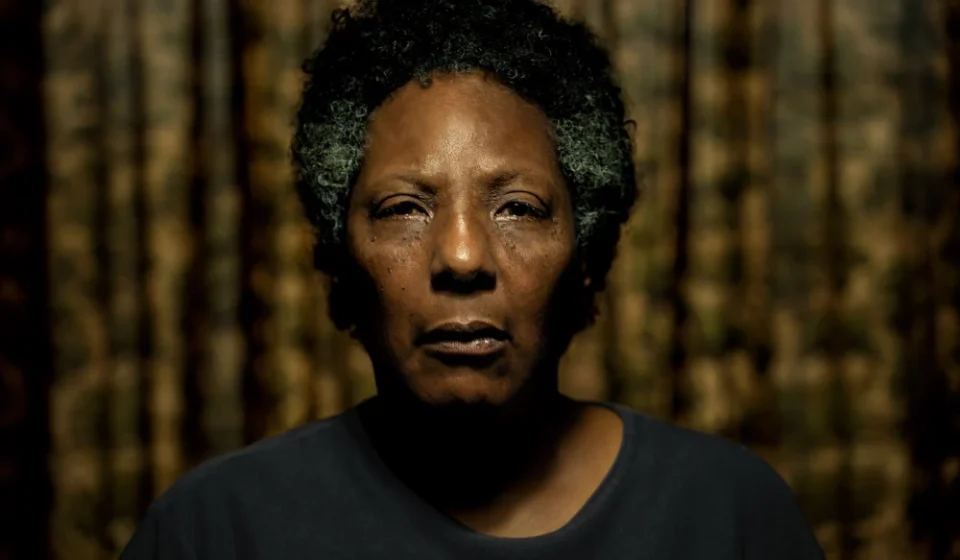
In the landscape of contemporary Brazilian cinema, few directors have captured the intimate rhythms of the domestic sphere with as much sensitivity as Gabriel Martins. Following the international acclaim of his previous work, Martins returns with On Behalf of My Son (original Rifas), a sprawling, 150-minute drama that seeks to navigate the treacherous waters of collective tragedy and individual penance. At its heart, the film is a character study of Vicentina, portrayed by Rejane Faria, a mother forced to shoulder the moral debt of her son’s fatal error.
While the film is anchored by a powerful premise—the "apology tour" of a mother whose son caused a catastrophic bus accident—its execution has sparked intense critical debate. The film oscillates between a visceral, harrowing depiction of urban disaster and a repetitive, labored exploration of mourning. As Martins attempts to paint a multifaceted portrait of Black Brazilian life in Belo Horizonte, the film’s structural choices often threaten to overshadow its emotional core.
Main Facts: The Catalyst of Tragedy
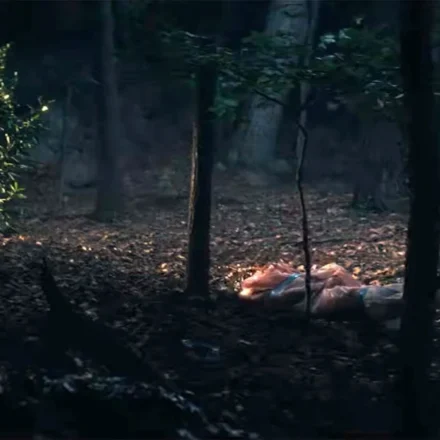
The narrative engine of On Behalf of My Son is a singular, devastating event: a bus accident in the city of Belo Horizonte. The driver, Wesley (Renato Novaes), appears distracted in the moments leading up to the crash, a detail that Martins captures with haunting subtlety. When the vehicle finally veers off course, the resulting carnage is presented with a shocking realism that sets a high-stakes tone for the remainder of the film.
The protagonist, Vicentina, is Wesley’s mother. An elderly woman who navigates her world with a crutch and a disaffected demeanor, she is suddenly thrust into the public eye as the "mother of the killer." The film’s primary conflict arises not from a legal battle, but from an internal moral mandate: Vicentina decides to personally visit the families of every victim to apologize on behalf of her son.
Key Narrative Elements:
- The Protagonist: Vicentina, a woman whose stoicism is tested by the public’s vilification of her son.
- The Antagonist: The abstract force of public opinion and the "gossipy" media cycles that speculate on Wesley’s intent.
- The Mission: A grueling, neighborhood-to-neighborhood pilgrimage of contrition.
- The Setting: The working-class districts of Belo Horizonte, depicted with a focus on "rundown textures" and authentic urban life.
Chronology: From Mundane Routine to Moral Pilgrimage
The Prelude: Unassuming Portraits
The film opens with a series of quiet, observational portraits of the passengers. We see the faces of those who will soon be lost, imbuing the upcoming tragedy with a sense of stolen potential. This segment establishes Martins’ "deft eye for place," focusing on the quiet dignity of the daily commute.
The Impact: The Crash and the Reveal
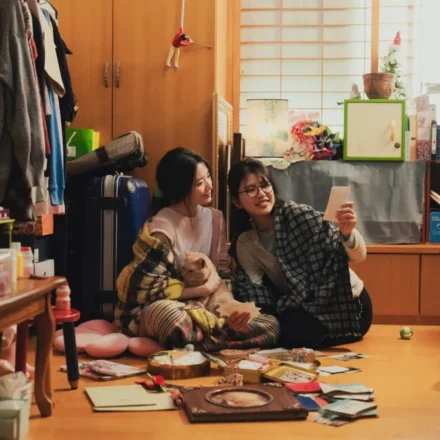
The transition from the mundane to the horrific occurs with the bus accident. Following the crash, the focus shifts to Vicentina’s home life. In a masterclass of dramatic irony, the audience watches her perform household tasks, unaware that her life has changed forever, even as she curtly ignores the phone calls that carry the news.
The Aftermath: The Identification and the Twin
Once informed of the tragedy by her neighbor Joana, Vicentina enters the "thorny territory" of grief. The arrival of Wesley’s twin brother (also played by Novaes) introduces a supernatural or "ghostly" element to the house, as his physical presence serves as a constant, painful reminder of the deceased driver.
The Pilgrimage: The Apology Tour
The bulk of the film’s second and third acts is dedicated to Vicentina’s visits. She travels between neighborhoods, meeting grieving spouses, parents, and lovers. This sequence is designed to show the "ripple effects" of the accident, but as the runtime stretches toward two-and-a-half hours, the repetition of her rehearsed apology begins to define the film’s rhythm.
The Resolution: The Search for Wesley’s Truth
In the final stages, Vicentina meets Fred, a death-metal frontman with dwarfism who was a close friend of Wesley. This encounter provides a window into her son’s secret life, offering a brief respite from the cycle of guilt before the film concludes on the lingering question of how Vicentina will continue to live.
Supporting Data: Artistic Execution and Technical Analysis
The Performance Paradox
Central to the film’s reception is the performance of Rejane Faria. While Faria is an "adept" actress capable of summoning deep despair, critics have noted a disconnect between her acting style and the film’s needs. Her portrayal is characterized by "pursed lips" and "loud thoughts writ large," a stilted approach that some argue works against the film’s volatility. By repeating the same emotional beats in each apology scene, the performance risks becoming "rote" rather than revelatory.
Cinematographic Language
Martins employs a dual visual strategy:
- Observant Distance: Wide shots are used to document Vicentina’s arduous journeys across the city, emphasizing her isolation and the physical toll of her age.
- Intimate Closeups: Upon arrival at each victim’s home, the camera moves in tight, forcing the viewer to confront the "rankling discomfort" of these forced interactions.
Structural Labor
The film’s 150-minute length is a point of significant contention. By including so many encounters with victims’ families—such as the "battered lover" played by Fábio Leal—the film risks diluting the impact of each individual story. The "structural necessity" of these scenes often means that potentially affecting characters "quickly fade from view" to make room for the next stop on the tour.
Official Responses: Reception and Critical Context
While On Behalf of My Son has been praised for its ambition, the critical consensus suggests a film of "powerful premises but labored execution."
- On the Script: Critics have highlighted that the "intimate mystery" of Wesley’s state of mind is often sidelined by the repetitive nature of the apology tour. The film "gestures at thorny complexities" that it doesn’t always allow to fully bloom.
- On Gabriel Martins: As a director, Martins is lauded for his ability to depict "Black Brazilian lives" without falling into the hyper-violent tropes popularized by films like City of God. His work is seen as a "multifaceted cultural portrait" that offers a more nuanced view of the country’s socioeconomic struggles.
- On the Cast: Giovanni Venturini’s performance as Fred has been singled out as "heartbreaking," providing a much-needed emotional anchor that helps Vicentina (and the audience) understand the man Wesley actually was, rather than the monster the media portrayed.
Implications: Brazilian Cinema on the Global Stage
A Departure from "Favela Chic"
For decades, North American audiences’ perception of Brazilian cinema was dominated by the "Favela Chic" aesthetic—fast-paced, violent, and centered on crime. On Behalf of My Son represents a significant shift. It focuses on the "detailed, rundown textures" of working-class life and the internal psychological landscapes of its characters. This move toward "slow cinema" and domestic drama reflects a maturing industry that is confident in exploring the quiet tragedies of the everyday.
The Representation of Black Identity
The film is an important contribution to the representation of Black Brazilians. By placing an elderly Black woman at the center of a moral and philosophical odyssey, Martins challenges traditional casting and narrative norms. The film’s tour of Belo Horizonte serves as a sociological map, showing the diversity of experiences within the Black community, from the death-metal subculture to the religious and domestic spheres.
The Burden of Contrition
Thematically, the film raises difficult questions about collective versus individual guilt. In a world increasingly driven by "cancel culture" and instant media judgment, Vicentina’s journey is a radical act of face-to-face accountability. However, the film’s "tedious focus on hitting the same beats" serves as a meta-commentary on the nature of apology itself: it is often a repetitive, exhausting, and ultimately incomplete process.
Conclusion: An Intriguing, if Flawed, Exploration
On Behalf of My Son remains a significant, if polarizing, entry in Gabriel Martins’ filmography. It is a film that demands patience, offering a "safe distance" from which to observe the complexities of grief. While its "stilted emotions" and "repetitive execution" may alienate some viewers, its commitment to depicting a side of Brazil rarely seen on the international stage ensures its place in the conversation about the future of global drama. It is a cinematic tour that, despite its dead ends, manages to tell us more about the "characters’ struggles than an up-close depiction of their inner lives ever could."