The AI Evolution: How Impossible Objects Redefines Boutique VFX with HP ZGX Hardware

In the high-stakes world of premium advertising and feature film visual effects, the margin for error is razor-thin. When a studio is tasked with crafting a commercial for a global automotive giant like Porsche, Cadillac, or Subaru, the demand for photorealism is absolute. Any flicker, artifact, or lack of visual fidelity is not just a technical failure—it is a brand liability.
Impossible Objects (IO), a boutique visual effects powerhouse based in Los Angeles, has spent the last two years solving this specific problem. By architecting a custom, artist-driven pipeline that marries traditional compositing with fine-tuned generative AI, IO is managing to output studio-level volumes with a fraction of the traditional overhead. At the heart of this transformation lies a strategic hardware upgrade: the deployment of HP ZGX Nano AI stations, powered by the NVIDIA GB10 Grace Blackwell Superchip.
Main Facts: A New Paradigm for Boutique Studios
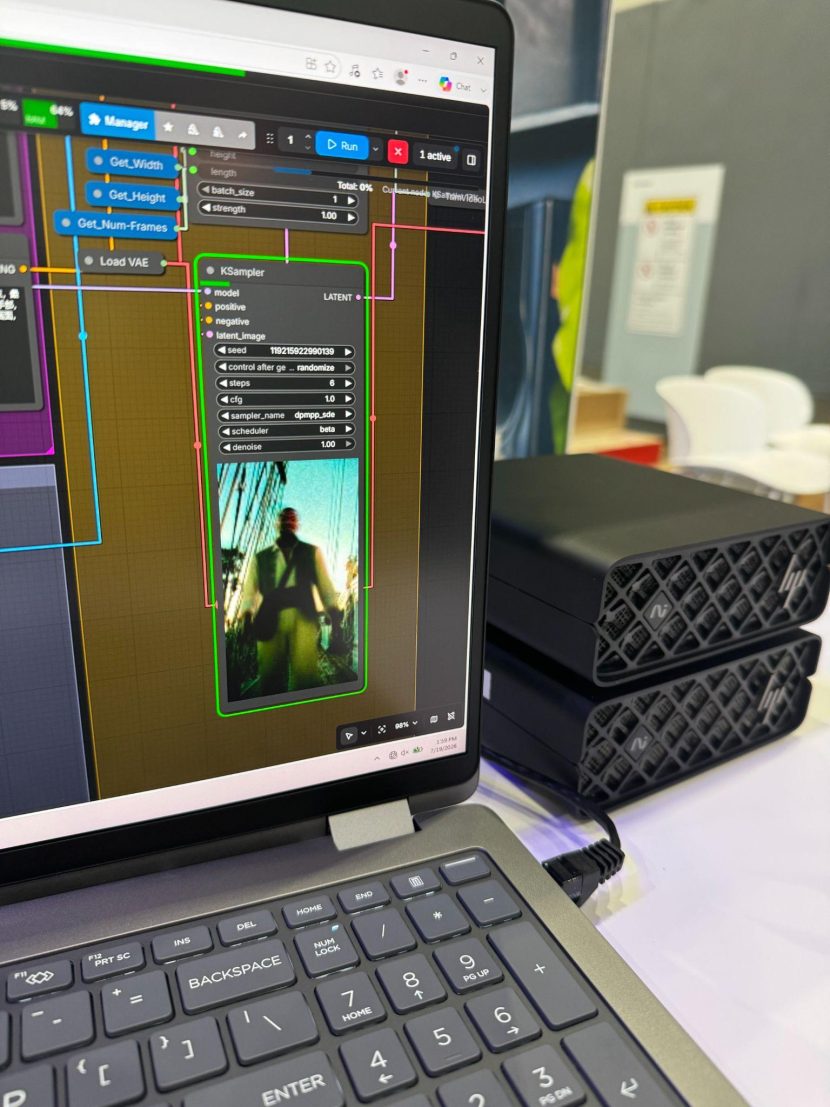
Impossible Objects has positioned itself as an industry outlier. While many studios are either resisting AI or adopting it as a "black box" solution, IO has opted for a "hybrid" model. This approach relies on ComfyUI as the backbone, but with a critical twist: they do not rely on generic, off-the-shelf generative models. Instead, they train and fine-tune models based on their own proprietary footage.
"The spots we do for car brands are highly scrutinized," explains Nhan Le, AI Lead at Impossible Objects. "General AI video models simply cannot deliver the level of photorealism demanded of this kind of work. We’ve found a sweet spot where we combine traditional 2D compositing and VFX with custom-trained models. This allows us to maintain the artistic integrity of the shot while leveraging the speed of generative workflows."
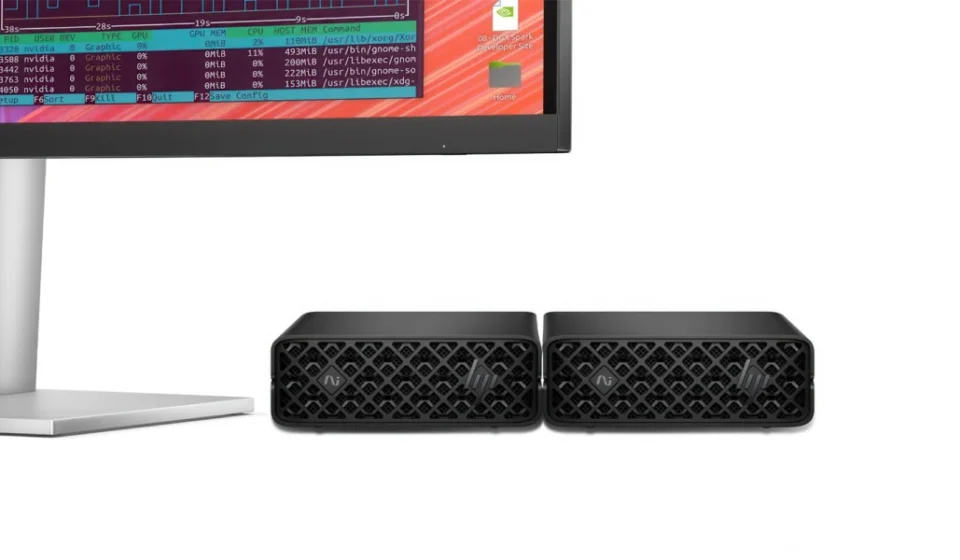
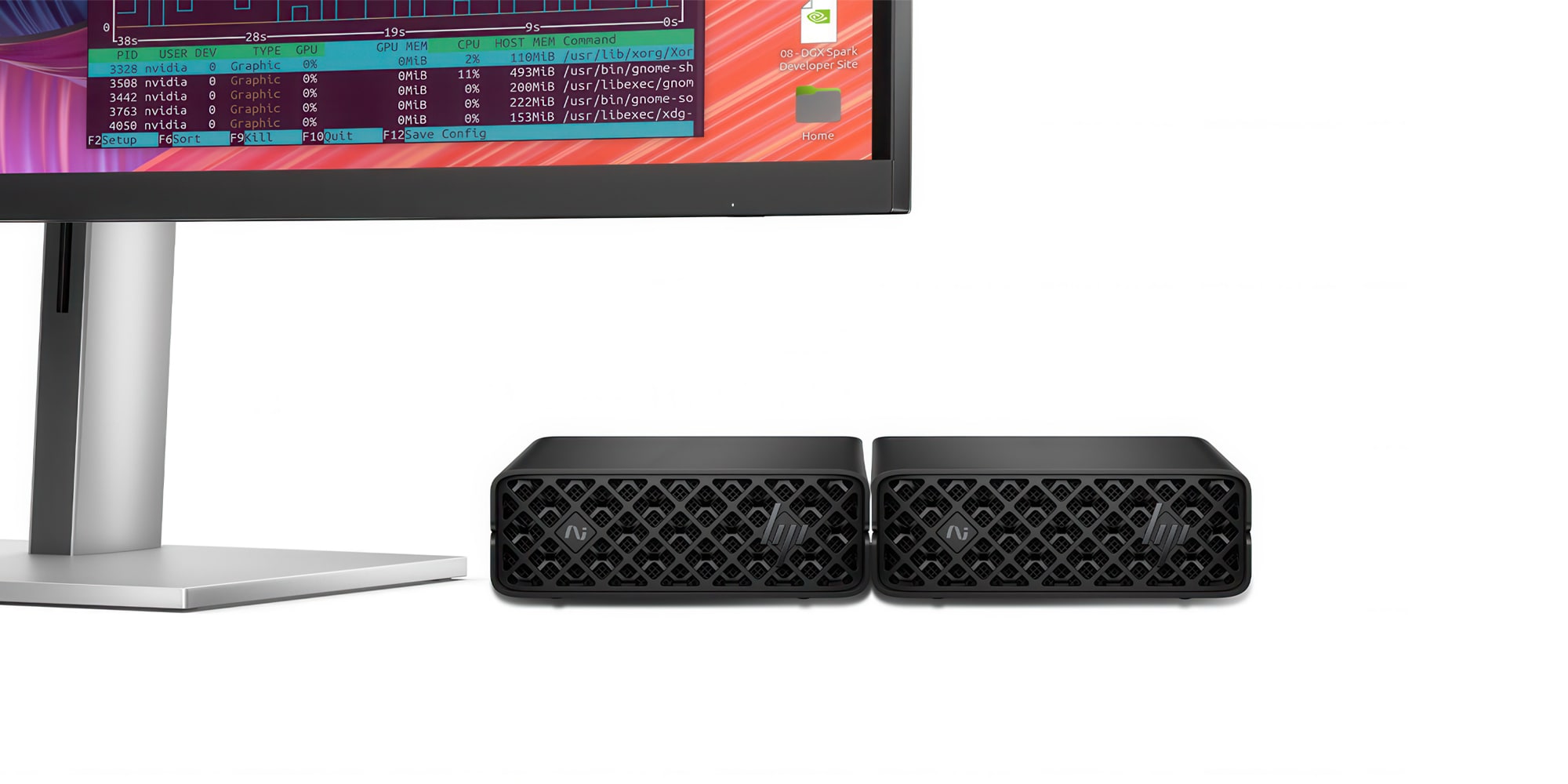
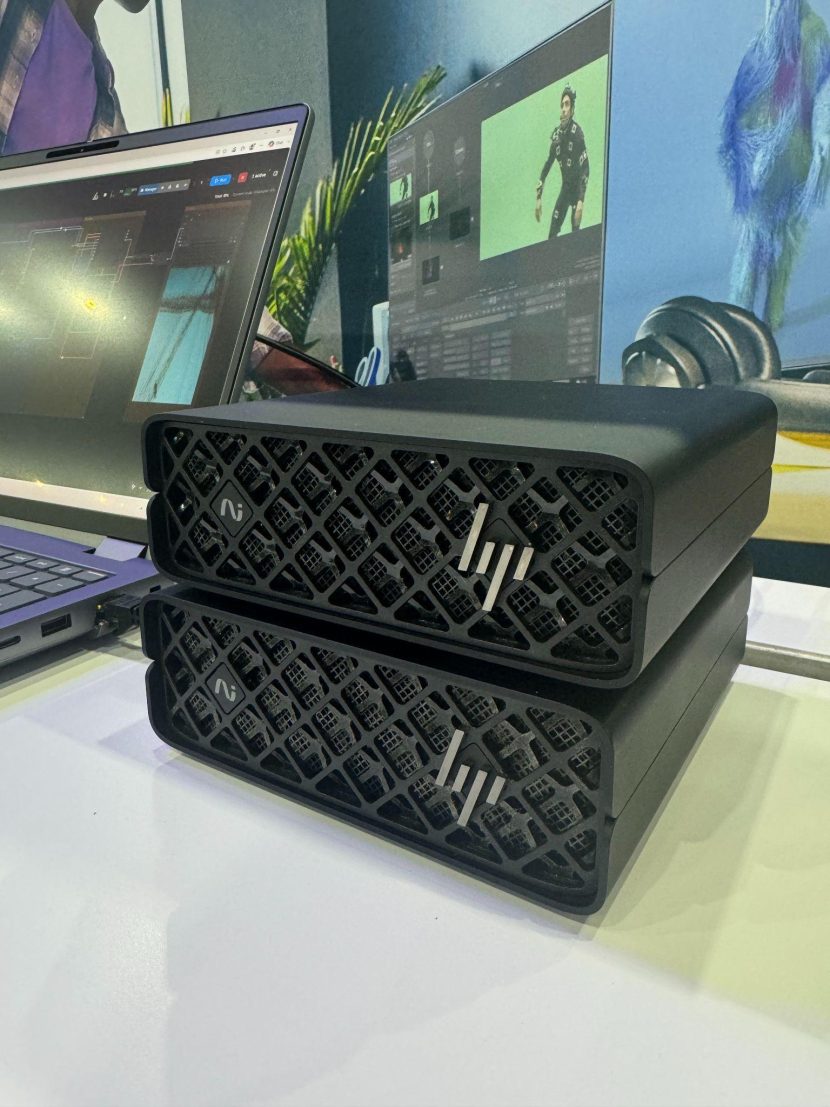
To sustain this high-compute environment, the studio recently integrated two HP ZGX Nano AI stations. These compact, powerhouse units are designed specifically for intensive AI workloads, providing the local, on-premise compute necessary to bypass the latency and security risks associated with cloud-based LLMs.
Chronology: The Journey to Scalability
The integration of AI at Impossible Objects was not an overnight transition. It was the result of a rigorous two-year Research and Development cycle.
- Phase 1: R&D and Foundation (2024-2025): The IO team, led by Le and creative engineer Aiden Silver, focused on building an internal toolset that allowed for "repeatable solutions." They recognized early on that if they could automate the "grunt work"—such as lighting matching or rotoscoping—they could empower their artists to focus on high-level creative decisions.
- Phase 2: Security and Provenance Optimization: As the studio began working with top-tier brand IP, the risks of cloud-based AI became a bottleneck. The team transitioned to local, open-source models that they could control entirely in-house.
- Phase 3: Hardware Scaling (Present Day): With the arrival of the HP ZGX Nano G1n units, the studio moved from experimental AI workflows to a fully scalable production pipeline. By utilizing the 200 Gbps ConnectX-7 ports to cluster the two units, IO effectively doubled their memory capacity, allowing for the rendering of 4K video and higher-resolution, complex AI models.
Supporting Data: The Power of Localized Compute
The transition to HP ZGX Nano stations was driven by a need for throughput and security. In the current VFX landscape, "uploading to the cloud" is a non-starter for many major brands concerned about IP theft or the leakage of proprietary designs.
The ZGX Nano provides a localized solution that keeps all assets behind the studio’s firewall. Key technical specifications that have impacted IO’s workflow include:
- Memory Scalability: By clustering the ZGX Nano units, the team has solved the common limitation of "VRAM walls," allowing them to load larger, more detailed models that maintain consistency across long-duration shots.
- Throughput Efficiency: The ZGX Toolkit allowed for rapid configuration, enabling the studio to connect remotely to the stations almost immediately. This has reportedly doubled, and at times tripled, the studio’s daily throughput compared to their previous hardware setup.
- Consistency in "Latent Memory": A breakthrough for IO has been their method of manipulating "latent memory." By capturing their own footage and fine-tuning models to recognize specific details—like the curvature of a car bumper or the reflection of a city skyline—they ensure that the generative output remains consistent across an entire commercial sequence.
Official Responses: The Human-Centric AI Philosophy
For the founders of Impossible Objects, the primary goal of integrating AI was never to replace the artist. Instead, it was to "unlock backend shortcuts."
"People like Nhan and his counterpart Aiden Silver are amazing creative engineers," says Jerad Anderson, co-founder of Impossible Objects. "They have paved a way that marries AI into production in a way that firmly plants a flag in craft and the human element. We aren’t throwing away our traditional workflows; we are bolstering them."
Le echoes this sentiment, emphasizing that the infrastructure serves the creative, not the other way around. "Every time we start a job now, we think of scalability. How can we empower the artist to focus on making the final work look amazing? We use AI to handle the tedious frame-by-frame adjustments, like lighting or tracking, so the artist can handle the narrative and the look."
Implications: The Future of Render Farms and Multi-Agent AI
The success of the current IO setup has broad implications for the VFX industry at large. As studios face increasing pressure to deliver high-quality content in shorter timeframes, the "Boutique-as-a-Studio" model is becoming a viable alternative to massive, multi-national facilities.
The Rise of Smart Render Farms
The next frontier for Impossible Objects is the development of a "smart" in-house render farm. By using the unified clustering of the HP ZGX Nanos, IO is planning to implement multi-agent AI systems to manage their render queue. Unlike traditional render farms, which simply process jobs in a linear fashion, an AI-managed farm can prioritize, troubleshoot, and optimize resource allocation in real-time.
Redefining Virtual Production
The studio is already seeing major wins in the realm of virtual production. Previously, tracking data from LED volumes was a labor-intensive, often inaccurate process that could delay post-production for weeks. By using AI to infer tracking data directly from the footage, IO is bypassing the need for manual data synchronization. This "blessing," as Le calls it, allows studios to take footage as-is and perform complex set extensions with near-perfect accuracy.
The Competitive Advantage
The ability to maintain ownership of their AI models—and by extension, the ownership of their intellectual property—gives Impossible Objects a significant competitive edge. As the industry grapples with the legal and ethical complexities of generative AI, studios that can guarantee "provenance" (the ability to trace the origin of every asset used in a model) will be the ones that win the contracts of major global brands.
Conclusion: A Blueprint for the Modern Studio
Impossible Objects is not just using AI to make things faster; they are using it to redefine the limits of what a smaller team can achieve. By investing in high-performance, local hardware like the HP ZGX Nano and adopting a philosophy of "hybrid craft," they have successfully mitigated the risks of the AI era while capitalizing on its immense creative potential.
As the industry continues to evolve, the "IO model" serves as a compelling blueprint. It suggests that the future of VFX lies not in fully automated, "hands-off" generative systems, but in a symbiotic relationship between human artistry and high-compute AI infrastructure. For studios looking to punch above their weight, the message is clear: when the infrastructure is right, the possibilities for creative output are limited only by the artist’s imagination.
For more information on how to optimize your studio’s AI infrastructure, contact HP today. To see the work of Impossible Objects, visit www.impossible-objects.co.