
In the annals of gaming history, few things are as tantalizing as the "what-if" scenarios surrounding canceled projects. Thanks to a massive, unauthorized data leak from Valve’s Steam servers, the gaming community has stumbled upon a significant piece of horror cinema history: a fully functional, playable prototype of a Scream multiplayer game. This discovery, which has sent shockwaves through both the horror and gaming enthusiast circles, reveals that years before the asymmetrical horror genre became a staple of the industry, a renowned studio was already experimenting with the terrifying potential of Ghostface.
The discovery was first brought to light by user "Roly Poly Reaper," who meticulously sifted through a mountain of leaked Steam files to uncover the buried project. As it turns out, the development of this prototype appears to have been helmed by Fatshark—the Swedish studio currently celebrated for their work on the high-octane Warhammer: Vermintide and Warhammer 40,000: Darktide franchises.
The Genesis of a Slasher: Main Facts
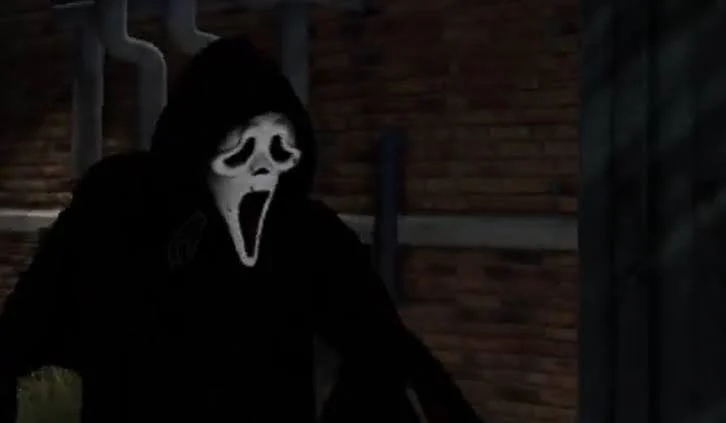
The unearthed project is an asymmetrical multiplayer horror game, a genre that would not see mainstream dominance until the releases of Dead by Daylight in 2016 and Friday the 13th: The Game in 2017. In this Scream prototype, the core gameplay loop mirrors these modern titans: one player takes on the mantle of the iconic, mask-wearing killer, Ghostface, while the remaining players assume the roles of survivors tasked with navigating a dangerous environment and evading death.
The files, which include multiple builds of the project, indicate that the game was in active development around February 2011. This timeframe is particularly notable, as it predates the theatrical release of Scream 4—the film that saw the franchise return to the big screen after a decade-long hiatus. Through the use of custom emulators, fans have managed to revive the build, allowing the public to finally witness what this early iteration of the Woodsboro nightmare looked like in action.
A Chronology of the Lost Project
To understand the significance of this find, one must look at the timeline of the gaming landscape during the late 2000s and early 2010s.
2010-2011: The Pitch Phase
Evidence found within the "Scream_Pitch" and "Screampitch_inside" folders suggests that this project never transitioned from the conceptual or pitch phase into a full-scale production. The existence of these folders implies that Fatshark, acting as a developer, likely created this prototype to demonstrate their vision to potential stakeholders or to secure the licensing rights from the franchise’s owners at the time.
The final build, dated February 2011, provides a snapshot of a studio experimenting with mechanics that were, at the time, highly unconventional. While horror games existed, the "4v1" asymmetrical multiplayer format was largely unproven territory. Fatshark’s early foray into this space suggests they were years ahead of the curve, potentially identifying a market for licensed horror long before it became a multi-million dollar industry.
2011-2026: The Digital Burial
Following the February 2011 build, the project seemingly vanished. Whether the pitch was rejected by the rights holders, the licensing costs proved too high, or Fatshark shifted their focus toward the IP-heavy projects that would eventually define their success, the Scream game was shelved. For fifteen years, the code sat dormant within Steam’s deep-storage servers, hidden from the public eye until the recent massive data breach brought it to the surface.
Supporting Data and Technical Context
The technical nature of this leak is unprecedented. By accessing the Steam depot labeled "Scream Prototype," researchers have been able to deconstruct the game’s architecture. Roly Poly Reaper’s efforts to make the project playable via emulation have provided critical insights into how the game functioned.
The Mechanics of Fear
The gameplay, while rudimentary by modern standards, features the essential DNA of the slasher genre. The Ghostface character in the build is designed to be a hunter, relying on stealth and environmental pressure, while the survivors focus on objective-based gameplay to secure their survival.

The aesthetic of the game appears to align with the tone of the Scream franchise: self-aware, tense, and focused on the cat-and-mouse dynamic. By analyzing the assets, developers and fans have noted that the game likely utilized a version of an engine that Fatshark was comfortable with during that era, though the proprietary nature of the build makes it difficult to pinpoint exactly which tools were used.
The Significance of the Developer
The involvement of Fatshark adds an extra layer of intrigue. In 2011, Fatshark was a smaller entity compared to the powerhouse it is today. Their interest in the Scream license suggests a studio that was deeply invested in multiplayer systems, even in their early days. It raises the question of whether the Scream project served as a foundational training ground for the cooperative, enemy-horde, and asymmetric design philosophies that would eventually lead to their massive successes with the Warhammer series.
Official Responses and Industry Silence
As of this writing, there has been no official statement from either Fatshark or the current rights holders of the Scream franchise regarding the leak. In the gaming industry, such silence is common when dealing with leaked, abandoned, or unauthorized content.
However, the industry’s lack of response does not diminish the impact of the discovery. For legal and intellectual property reasons, companies rarely comment on "lost" projects, particularly those that were never officially announced or greenlit. The discovery remains a fan-driven phenomenon, existing in a gray area of internet history where the preservation of gaming heritage clashes with the realities of corporate copyright.
The Implications: Why It Matters
The discovery of the Scream prototype is more than just a curiosity; it is a profound look at how the gaming industry evolves.
1. The "What-If" of Asymmetrical Horror
Had this game been released in 2011, it might have fundamentally changed the trajectory of the horror genre. By beating Dead by Daylight to market by five years, a polished Scream game could have established the rules of the asymmetrical genre, potentially setting a standard that would have influenced every subsequent horror title. It challenges the assumption that the genre’s success was purely a product of the mid-2010s gaming climate.
2. Digital Preservation
The incident highlights the precarious nature of digital game development. We often think of software as a permanent medium, but this leak proves that entire projects—complete with art assets, sound design, and code—can be effectively erased from history. The work done by the community to emulate and preserve this "Scream" build is an act of digital archeology, ensuring that a piece of creative labor is not lost forever.
3. The Power of Leaks
This discovery serves as a reminder of the sheer volume of data housed within platforms like Steam. While the unauthorized nature of the leak raises ethical concerns regarding security and corporate privacy, it is undeniable that these leaks provide a level of transparency into the "black box" of game development that would otherwise be inaccessible. We are seeing the raw, unpolished, and often discarded dreams of developers, offering a more humanized view of the industry.
Conclusion
The story of the lost Scream prototype is a compelling chapter in the history of interactive horror. It presents a haunting vision of what might have been: a high-stakes, licensed multiplayer experience that could have defined an era. While it will likely never be released in an official capacity, its existence as a playable piece of software is a testament to the persistence of fans and the hidden history buried within our digital infrastructure.
As we continue to explore the depths of this leak, we are reminded that for every game that makes it to store shelves, there are dozens of others that die in the shadows—projects that, like the victims in a Scream movie, were simply in the wrong place at the wrong time. For now, we have the ghost of Ghostface, a reminder of a project that was, for a brief moment in 2011, ready to take a stab at the history books.