
By Alex Billington
September 4, 2026
The history of mountaineering has long been dominated by a singular, Western-centric narrative: the conquest of the unconquerable. For decades, the 1953 summit of Mount Everest was framed as a British triumph, a crowning achievement of the Commonwealth. However, as the global perspective on exploration shifts to acknowledge the indigenous voices that made these feats possible, a new cinematic force arrives to set the record straight.
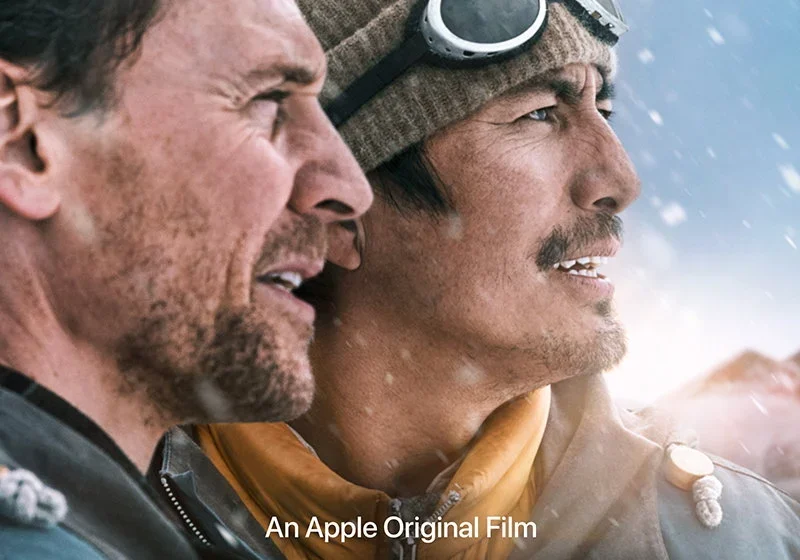
Apple TV’s Tenzing, directed by the visionary documentarian Jennifer Peedom, is not merely a biographical drama; it is a profound reclamation of history. By focusing on the life of Tenzing Norgay—the Tibetan Sherpa who stood atop the world alongside Sir Edmund Hillary—Peedom transitions from her acclaimed career in mountain documentaries to her first narrative feature, delivering a film that promises to be the definitive account of the 1953 expedition.
The Core Narrative: Beyond the Summit
At its heart, Tenzing is a story of dualities. It juxtaposes the cold, calculated ambition of the British expeditionary force with the spiritual reverence of a man who viewed the mountain not as a challenge to be defeated, but as a sacred deity.
The film stars Genden Phuntsok as Tenzing Norgay, a performance that is already garnering significant pre-festival buzz for its understated power and emotional depth. Opposite him, Tom Hiddleston portrays Sir Edmund Hillary with a nuanced vulnerability that captures the New Zealander’s internal struggle between personal ambition and his growing bond with his Sherpa partner. Rounding out the stellar cast is Willem Dafoe as Colonel John Hunt, the expedition leader whose rigid adherence to rank and protocol provides the film’s central conflict, and Caitríona Balfe as Jill Henderson, the expedition secretary who serves as a vital bridge between the worlds of the British climbers and the Sherpa community. Thinley Lhamo provides the emotional anchor of the film as Dawa Norgay, Tenzing’s first wife, whose support and intuition guide Tenzing through the political minefield of the expedition.
A Chronology of the Climb: A Story Long Overdue
To understand the significance of Tenzing, one must look at the timeline of the 1953 expedition. The British-led attempt was the ninth expedition to Everest, and it was marked by immense geopolitical pressure. Following the closure of Tibet to foreigners, the British were acutely aware that if they failed, the race to the top would be won by the Swiss or French teams.

- The Preparation (Early 1953): As the expedition team assembles, Tenzing Norgay is initially treated as a guide and a servant. The film highlights the systemic prejudice of the era, where the Sherpas were seen as human assets rather than partners.
- The Political Ascent: Through the advocacy of individuals like Jill Henderson, Tenzing begins to assert his position. The film chronicles his struggle to gain a seat at the table, forcing Colonel Hunt to recognize that the summit is impossible without the expertise and endurance of the Sherpa people.
- The Final Push (May 29, 1953): On this historic morning, Hillary and Norgay emerge from the high-altitude camp to make their final approach. While history books have often focused on the moment of the summit, Peedom’s film focuses on the silence between the two men—the moment where "empire, rank, and aspiration fall away," leaving only two individuals facing the thin, biting air of the world’s ceiling.
The Director’s Lens: Why Jennifer Peedom?
Jennifer Peedom is perhaps the most qualified filmmaker on the planet to tackle this subject. Having directed Solo, Miracle on Everest, Sherpa, Mountain, and River, Peedom has spent years living, breathing, and filming on the slopes of the Himalayas.
Unlike directors who rely heavily on CGI to simulate the majesty of the peaks, Peedom’s background in high-altitude cinematography ensures that Tenzing carries a visceral authenticity. Her previous documentary work, particularly Sherpa, exposed the tragic inequalities in the mountaineering industry, highlighting the risks Sherpas take for the glory of international climbers. Tenzing is the logical culmination of this career-long pursuit to center the Sherpa narrative. It is an act of cinematic justice, shifting the gaze from the British flag planted at the top to the man who made sure the flag arrived there safely.
Official Responses and Industry Anticipation
The industry response to the teaser has been overwhelmingly positive. Critics have praised the film’s visual language—the way it captures the terrifying beauty of the "Death Zone" while maintaining an intimate focus on the human drama occurring within the tents.
In a recent press statement, Apple TV noted: "Tenzing is a testament to the power of partnership. It is a film that asks us to reconsider what it means to lead, what it means to follow, and who truly owns the history we are taught."
The film is set for a prestigious world premiere at the 2026 Telluride Film Festival, followed by a gala screening at the Toronto International Film Festival. The dual-festival rollout signals Apple’s high expectations for the film, placing it firmly in the conversation for the upcoming awards season.
Implications: The Legacy of the Mountain
What makes Tenzing essential viewing is its refusal to shy away from the complexities of the 1953 expedition. The film highlights the "competing ambitions" of the era: the British need to demonstrate imperial dominance following the decline of the British Empire, and Tenzing’s spiritual calling to stand at the peak of Chomolungma.

By framing the mountain as a sacred entity rather than a resource, the film aligns with modern conversations regarding environmental stewardship and indigenous rights. It forces the audience to confront the "conquest" mentality that has defined Western exploration for centuries.
Furthermore, the film’s exploration of the bond between Hillary and Norgay serves as a template for cross-cultural collaboration. In an age of increasing global division, the story of two men from vastly different worlds finding common ground in the most inhospitable place on Earth feels more relevant than ever.
Looking Ahead: The October Release
As we approach the autumn, the anticipation for Tenzing continues to mount. The film is scheduled for a limited theatrical release in the United States on October 9, 2026, before its global streaming debut on Apple TV+ on October 16, 2026.
For those who have followed Jennifer Peedom’s career, this is not just another movie; it is a career-defining piece of work. For the general audience, it is a rare opportunity to see a historical event they think they know, told from a perspective that brings long-overdue honor to a hero of the Himalayas.
As the teaser trailer concludes with Tenzing’s line, "Perhaps we should join forces," we are reminded that history is not just about who reached the top first—it is about who walked the path together. Tenzing is, without question, one of the most significant films of 2026, and a cinematic journey that demands to be experienced on the largest screen possible.
Technical Specifications and Production Details
- Director: Jennifer Peedom
- Screenplay: Luke Davies
- Producers: Desray Armstrong, Iain Canning, Luke Davies, Jennifer Peedom, Emile Sherman, Liz Watts
- Production Company: Apple Original Films
- Release Date (Theatrical): October 9, 2026
- Release Date (Streaming): October 16, 2026
Whether you are an armchair adventurer, a student of history, or simply a fan of high-stakes, character-driven drama, Tenzing is set to be the must-watch film of the fall. Keep an eye on local listings for the limited theatrical engagement; this is a film designed to sweep you off your feet and carry you to the roof of the world.