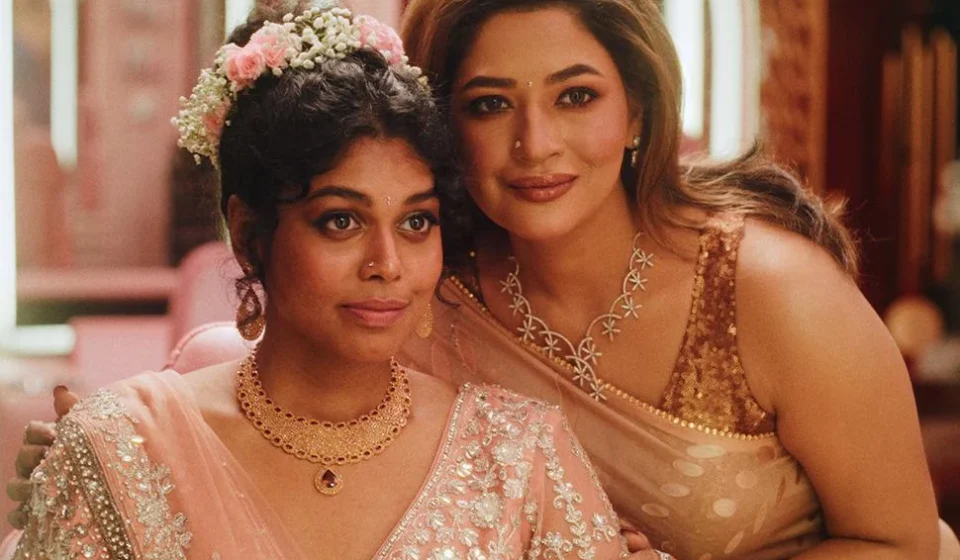
Beyond the Altar: How South Asian Cinema is Dismantling the Myth of the ‘Perfect Bride’

For decades, the global appetite for South Asian cinema has been fed a steady diet of matrimonial spectacle. From the vibrant, sprawling joy of Mira Nair’s Monsoon Wedding to the gritty, aspirational mythmaking of Slumdog Millionaire, and the reality-TV dominance of Netflix’s Indian Matchmaking, the subcontinent’s screen exports have often centered on the same reliable tropes: the auntie-matchmaker, the cursed bride, and the resplendent, high-stakes wedding.
However, a quiet, visceral revolution is occurring on the international festival circuit. Filmmakers from India, Pakistan, and Bangladesh are moving beyond these well-worn archetypes, using the language of genre—horror, folklore, and psychological drama—to interrogate the patriarchal structures that underpin these rituals. The latest contribution to this subversion is Rubaiyat Hossain’s The Difficult Bride, which premieres this week at the Venice Film Festival’s Orizzonti section. It serves as a haunting, unflinching look at the "marriage-industrial complex" and the violent, often grotesque, expectations of beauty placed upon women.
A New Wave of Subversive Storytelling
The shift began in earnest with works that refused to play by traditional rules. Rohan Kanawade’s Sundance-winning Cactus Pears offers a tender, quiet exploration of two men navigating a bond that defies Western labels of "self-actualization" or "happy endings." In Pakistan, filmmaker Sarmad Khoosat’s Lali weaponizes the "cursed groom" trope, folding it into a darkly comic folk-horror narrative that shifts the burden of destiny. Meanwhile, Tamil director P.S. Vinothraj’s The Adamant Girl exposes the terrifying reality of forced exorcisms performed on women deemed "difficult" by their families.

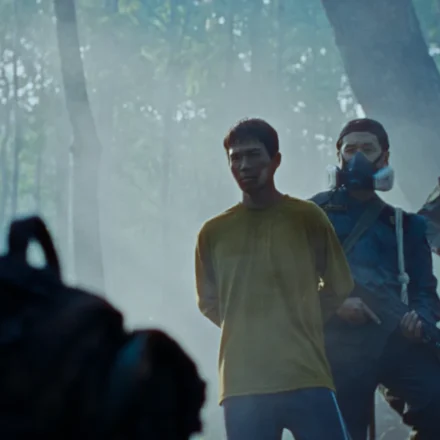
Bangladeshi cinema, in particular, has become a hotbed for this thematic defiance. The 2021 Cannes entry Rehana featured a powerhouse performance by Azmeri Haque Badhon as a professor seeking vengeance for a student’s assault. Similarly, Nuhash Humayun’s Moshari (2023) transformed the humble mosquito net into a tool of survival in a monster-ridden dystopia. These films, while directed by men, have successfully utilized genre to mask biting social critiques. Now, Rubaiyat Hossain, a leading voice in this movement, is taking that critique into the deeply intimate, claustrophobic interiors of the bridal experience.
The Anatomy of The Difficult Bride
The Difficult Bride tracks the psychological unraveling of Zai, a Western-educated woman in Dhaka, as she approaches her wedding day. The film is not a traditional romantic drama; it is a visceral descent into the "interiority of the female body." Zai finds herself trapped within the confines of "Mayfair," a legendary, high-end beauty salon.
Hossain’s inspiration for the film is rooted in a childhood urban legend. "A bride died in [a salon like] Mayfair because there was a snake inside her ornate flowered bun," Hossain told IndieWire. "As a seven-year-old, I visualized it. As I grew, it stayed with me. There’s a metaphor in there about beauty, femininity, and desire. The story is intrinsically supernatural."

The film alternates between two starkly different worlds: the palatial, blood-red interiors of the elite salon—where the silence is as oppressive as the expectations—and the decaying, snail-infested condo where Zai seeks refuge. Throughout the film, Zai is flanked by symbols of the natural, often "repulsive" world: monkeys, lizards, and mosquitoes. These are not merely symbolic; they are, according to the director, an honest reflection of her own childhood fears.
"I was very scared of brides," Hossain admits. "When I saw my aunts getting married, the way their makeup was done, and the way they were crying before they would be put into a car… I was scared."
Chronology of a Production
The development of The Difficult Bride was marked by personal and creative challenges that bled into the final product.

- Pre-Production: Hossain spent months scouting visual references, pulling from Nina Menkes’ Brainwashed: Sex-Camera-Power and the classic cinematography of Satyajit Ray’s Charulata. She cast Zaineen Chowdhury Karim, who was originally hired as the First Assistant Director, because of an "innocence and raw honesty" that couldn’t be manufactured.
- Production: The film was shot largely within Hossain’s own home in Dhaka. During this period, the director suffered the loss of two close family members and her pets of 14 years. This real-life grief informs the film’s atmosphere of mourning and entrapment.
- The "Grotesque" Performance: In a scene involving a painful platelet-rich plasma injection, actor Azmeri Haque Badhon insisted on using her real doctor to ensure the procedure’s authenticity. The result was so visceral that it left the crew disturbed, marking a departure from the polished artifice usually associated with bridal cinema.
- Festival Run: Following its Venice premiere, the film will travel to the Toronto International Film Festival, positioning it at the forefront of the global conversation on feminist cinema.
Breaking the Marriage-Industrial Complex
While critics often categorize these films as "body horror," Hossain pushes back against the label. She insists that the film is about the "embodied memory and the uncanny of femininity."
"I’ve been calling it a feminist supernatural," she explains. "It’s not so much about marriage as it is about beauty… Every bride wants to be beautiful and perfect. My film questions what consists of beauty, beauty from whose point of view, and beauty to appease whose desire."
The film’s dialogue, particularly a poem Zai writes in her isolation, serves as a manifesto for the project. The lines—"I am never a woman but something carnal and hungry"—capture the central conflict: the reduction of a human being into a vessel for the male gaze and the reproductive machine.

The Implications of "New" Cinema
The rise of these films has significant implications for how global audiences consume South Asian stories. For decades, the "exotic" and "festive" nature of South Asian weddings provided a comfortable, digestible window into the region for Western viewers. By injecting the "uncanny"—the lizards in the room, the snakes in the hair, the blood in the needle—filmmakers like Hossain are forcing audiences to confront the "heteronormative rot" that often hides behind the glitter of the lehenga.
This is a movement of reclamation. By turning the camera away from the external spectacle of the wedding and toward the internal hellscape of the bride, these filmmakers are asserting that they are "much larger" than the roles of wife, mother, or object of desire.
As The Difficult Bride hits the screen, it invites viewers to look past the makeup and the turmeric rituals. It challenges the industry to stop asking, "What makes a beautiful bride?" and start asking, "What is being suppressed to maintain that beauty?" In the hands of directors like Hossain, the answer is often violent, raw, and profoundly human.

The success of these films suggests that global audiences are not, in fact, tired of South Asian stories. Rather, they are starving for stories that trade in authenticity over artifice—stories that recognize that behind every "perfect" bride is a person struggling to reclaim a self that existed long before the wedding bells ever rang.