


The conclusion of the third season of Apple TV+’s dystopian juggernaut, "Silo," has left audiences in a state of profound disorientation. Titled "Troy," the finale serves as a masterclass in narrative subversion, abandoning the traditional "answers-first" approach typical of serialized sci-fi in favor of a sprawling, high-stakes mystery that forces viewers to re-examine everything they thought they knew about the origins of the underground cities.
While the early episodes of the season were marked by a sluggish pace and confusion regarding protagonist Juliette Nichols’ (Rebecca Ferguson) fractured memory, the final chapters erupted into a full-scale rebellion. With the activation of the lethal "Safeguard" protocol and the convergence of the long-gestating flashback narratives featuring Daniel Keene (Ashley Zukerman), the show has effectively wiped the slate clean for a Season 4 that promises to be nothing short of a paradigm shift. However, as the dust settles on the ruins of the old world, five critical questions remain at the forefront of the viewer’s consciousness.
The Catalyst of Chaos: The Atlanta Nuclear Detonation
The most harrowing sequence of the finale—a chilling, visceral depiction of a nuclear strike in Atlanta—serves as the cornerstone of the season’s tragedy. For years, the show has posited the silos as a "break-glass-in-case-of-emergency" measure. The visual of a nuclear device detonating in plain sight of the nascent silo project suggests a level of orchestration that is profoundly unsettling.

Coincidence or Calculated War Crime?
The timing of the explosion is far too convenient to be dismissed as mere bad luck. The blast effectively forced thousands of terrified citizens into the waiting arms of the silo project, validating the "mad scheme" of its architects, including Senator Thurman (Laura Innes) and Dr. Crnkovich (Matt Craven).
If we assume the strike was a targeted military action by a rival nation, it paints a picture of a world locked in a desperate, nanotech-fueled Cold War. However, the more cynical interpretation—that the architects of the silos themselves triggered the bomb to ensure the survival of their project—suggests a level of moral depravity that would solidify the show’s status as a critique of elitist survivalism. If these "visionaries" were willing to sacrifice a major American city to validate their bunker experiment, it sets a dark precedent for the power dynamics we can expect in the coming season.
The MIA Contingent: The Fates of Helen and Per
As the narrative shifts between the past and the present, the disappearance of key figures has become a primary point of friction for the audience. While we know the status of the "inner circle" in Silo 1, the fates of Helen Drew (Jessica Henwick) and Per Stensen (Colin Hanks) remain tantalizingly obscure.

The Memory Gap
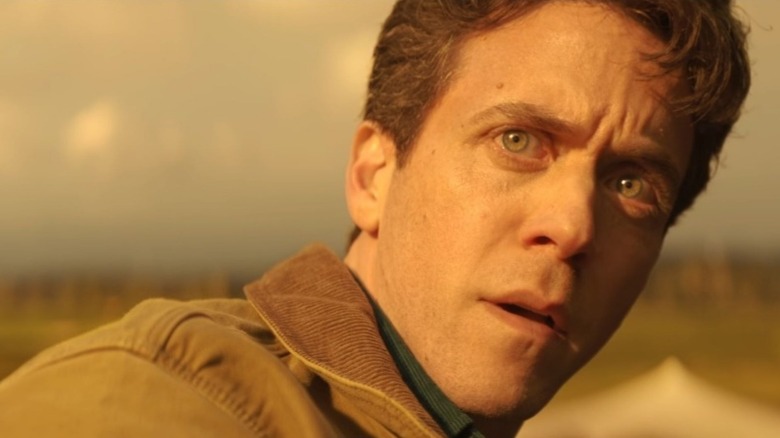
Helen, who was last seen being ushered toward the safety of the perimeter, has become a central point of intrigue due to Daniel Keene’s sudden, late-finale realization of her existence. If Daniel is indeed regaining his memories—a process that seems linked to the "Troy" protocol—Helen may prove to be the linchpin that connects the pre-silo world to the current struggle. Conversely, the total absence of Per Stensen, the man who arguably initiated the entire project, is deafening. Did he undergo the same memory-wiping procedure as the others, or has he been preserved in a state of cryo-stasis, waiting for a "greater" emergency? His silence speaks volumes about the hierarchy of the Silo 1 overseers.
The Resistance: Juliette Nichols and the War on Silo 1
The closing act of "Silo" Season 3 posits a new, existential struggle. Having narrowly prevented the release of toxic gas into Silo 18, Juliette and her cohort, including the formidable Camille Sims, are no longer content to merely survive.
From Passive Defense to Active Insurgency
The decision to march toward the Digger Void and attempt to confront the "Algorithm" marks a transition from a survival drama to an espionage thriller. The group recognizes that they are trapped in a panopticon, with every move monitored by the unseen hand of Silo 1. The challenge for Season 4 will be how this band of rebels can possibly strike back against a technological and administrative entity that effectively controls their environment. The hope lies in the "Troy" variable: as Daniel Keene’s memories return, he represents a "Trojan Horse" within the heart of the enemy’s camp. If he can bridge the gap between the two warring factions, the balance of power could shift, but at the cost of his own autonomy and safety.
The "Specialist" Paradox: Why Daniel and Helen?
A lingering question for many fans concerns the selection process for the silo’s primary personnel. Why were Daniel and Helen deemed "essential"? The show hints that their roles as "specialists" go beyond mere administrative necessity.
The Role of Nanotech and Human Experimentation
The series has teased the looming threat of nanotechnology, initially framing it as the primary catalyst for the world’s end. Yet, when the actual destruction occurs, it is via a conventional nuclear weapon. This disparity suggests that the "silo project" may have been less about shielding humanity from a natural disaster and more about controlling a specific segment of the population for an experiment in human behavior or technological adaptation.
If the nanotech is, as hinted, the true "ace in the hole" for the architects, then the memory-wiping drug utilized by Dr. Crnkovich may serve a dual purpose: to manage human trauma and to facilitate the seamless integration of human consciousness with the very nanotech they claim to fear. The "why" behind the selection of Daniel and Helen likely lies at the intersection of this technology and their unique psychological profiles.

The Global Question: Is the Surface Truly Dead?
Finally, we return to the fundamental mystery that has defined "Silo" since the premiere: the nature of the outside world. The evidence remains contradictory. We have seen characters suffer agonizing deaths upon exposure, which suggests a lethal, radiation-soaked environment. Yet, the mass exodus from Silo 17 proves that there are areas where, at least temporarily, humans can traverse the surface.
A Fragmented Apocalypse
The most compelling theory, supported by the series’ trajectory, is that the world is not universally toxic, but rather geographically scarred. This "patchwork" of desolation could imply that the silo project is not just a bunker, but a territorial land grab. If the rest of the world is, in fact, recovering or intact, the silos serve as a prison to keep the residents from discovering that their perceived "hell" is a localized, controlled disaster.
Implications for Season 4: A New World Order
As we look toward the future, the implications are clear: the veil of the silo is thinning. The show has successfully transitioned from the mystery of "how do we get out?" to the far more complex "what happens when we realize the world is not what we were told?"
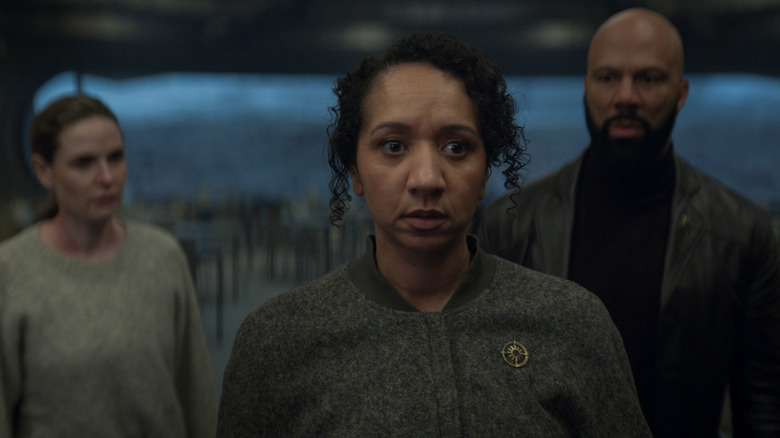
The narrative threads established in the Season 3 finale suggest that the next installment will be a collision of two eras. With the memories of the old world returning to those in power, and the residents of Silo 18 actively seeking to dismantle their chains, the stage is set for a systemic collapse. Whether the result is liberation or further isolation remains the primary hook for the audience. As "Silo" continues to expand its scope, it cements its place as a profound exploration of human endurance, the manipulation of history, and the terrifying cost of absolute control. The silos may be designed to last forever, but the walls are finally beginning to crumble.