The Legacy Continues: David Lynch’s Final Producing Projects and the Imminent Arrival of ‘Hyena’

The cinematic landscape lost a singular architect of the subconscious when the legendary filmmaker David Lynch passed away. His contributions to the surrealist and horror genres—from the industrial nightmare of Eraserhead to the fractured, dream-logic tapestry of Mulholland Drive—left an indelible mark on the history of film. However, the void left by his departure is being partially filled by the final projects he nurtured behind the scenes. Among the most anticipated of these posthumous contributions is the upcoming psychological horror feature, Hyena.
As the industry prepares for the American Film Market (AFM), excitement surrounding Hyena has reached a fever pitch. With a pedigree tied to Lynch and a cast featuring some of the most compelling modern actors in the horror space, the film is poised to be a significant addition to the genre’s evolving landscape.
The Narrative Core: Unmasking the Domestic Monster
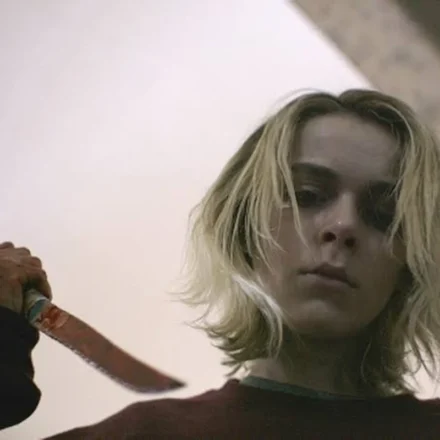
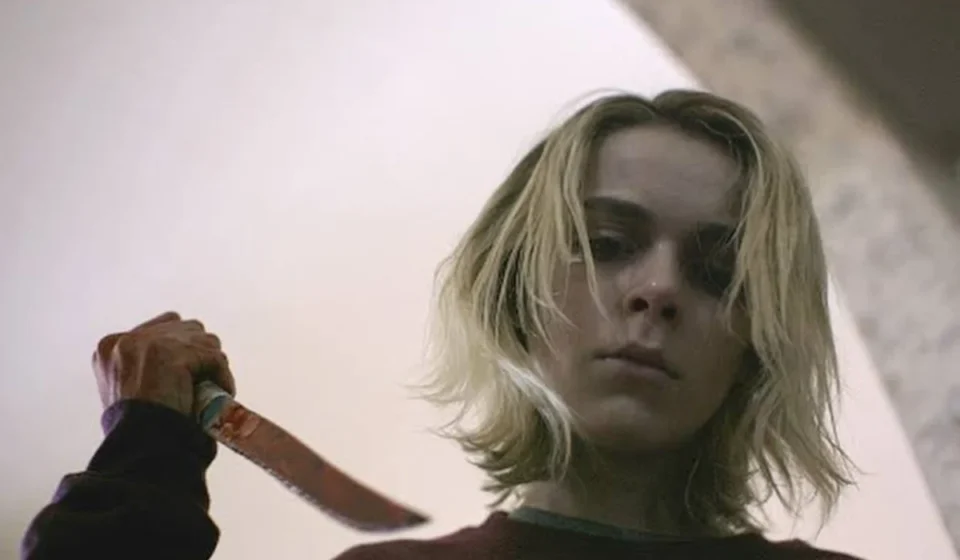
At its heart, Hyena promises to be a deeply uncomfortable exploration of familial breakdown. The plot follows Genevieve, portrayed by Kiernan Shipka, who brings her enigmatic and seemingly charming new boyfriend, Alexei (played by D’Pharaoh Woon-A-Tai), into the sanctuary of her family home.
What begins as an attempt to integrate a new partner into a stable, idyllic environment quickly devolves into a systematic dismantling of that stability. As Alexei embeds himself within the family dynamic, he begins to peel back the layers of polite society, exposing the long-buried secrets, suppressed desires, and deep-seated hypocrisies that define the household. The film’s tension builds toward a breaking point where Genevieve finds herself the sole guardian of her family’s reality. The premise suggests a grim trajectory: saving those she loves will require an act of profound, perhaps unspeakable, sacrifice.
A Cast Primed for Psychological Intensity
The power of Hyena lies not just in its script, but in a carefully curated ensemble cast known for their ability to navigate complex, often unsettling character work.
- Kiernan Shipka: Having cemented her status as a modern "horror queen" through her collaborations with filmmaker Oz Perkins—most notably in the chilling The Blackcoat’s Daughter and the recent critical hit Longlegs—Shipka brings a unique gravitas to the role of Genevieve. Her ability to convey vulnerability while masking a sharp, reactive intellect makes her the perfect anchor for a story that demands psychological endurance.
- D’Pharaoh Woon-A-Tai: Fresh off his work in Warfare, Woon-A-Tai is tasked with the challenging role of Alexei. The narrative weight of the film hinges on his ability to shift from charming outsider to a catalyst for domestic destruction.
- Edgar Ramírez: The Borderlands star brings a wealth of dramatic experience to the ensemble, promising to elevate the stakes as the family’s equilibrium is tested.
- Rosemarie DeWitt: Known for her recent turn in the successful horror sequel Smile 2, DeWitt adds a layer of prestige and emotional depth to the family unit, providing a crucial contrast to the encroaching darkness of the plot.
Behind the Lens: A Directorial Vision Steeped in Lynchian Lore
The film is directed by Scott Coffey, a filmmaker whose own career is inextricably linked to the legacy of David Lynch. Coffey is perhaps best known to cinephiles for his performance as Wilkins in Lynch’s magnum opus, Mulholland Drive. His transition to the director’s chair for Hyena—working from a screenplay co-written with acclaimed novelist Blair Mastbaum—suggests a project that is not merely inspired by the Lynchian aesthetic but deeply informed by it.

Coffey’s perspective on the project is as chilling as the premise itself. "Hyena is a very personal film," the director noted. "I’ve always believed the most unsettling horror isn’t supernatural—it’s the moment grief and love turn feral, when we stop pretending we aren’t wild."
This philosophy underscores a shift in contemporary horror: a move away from external, jump-scare-driven entities toward the internal decay of human relationships. By focusing on the "feral" nature of the human condition, Coffey is positioning Hyena to be an intellectual thriller as much as a visceral experience.
Chronology of Production and Development
While the project has been in development for some time, the gears of production are finally turning. With the formal announcement of the cast and the impending showcase at the American Film Market, the project is moving out of the development phase and into the physical production stage.
- Pre-Production (Late 2024 – 2025): The script, a collaboration between Coffey and Mastbaum, underwent rigorous development to ensure the tonal balance between domestic drama and psychological horror was maintained.
- Casting and Financing (2026): With the support of David Lancaster, who serves as executive producer, the project secured its high-profile cast, aligning the schedules of Shipka, Ramírez, and DeWitt.
- Market Debut (AFM 2026): The film’s presence at the American Film Market serves as the industry’s official introduction to the project, where international distribution rights will likely be fiercely contested.
- Principal Photography (Early 2027): Production is slated to begin in the atmospheric landscapes of Spokane, Washington. The choice of location—often utilized for its ability to mimic both the eerie isolation of rural life and the claustrophobia of small-town secrets—is expected to add a significant visual texture to the film.
Implications: The Evolution of "Prestige Horror"
The success of Hyena will have significant implications for the genre. We are currently in a golden age of "prestige horror," where films like Longlegs, The Substance, and Talk to Me have proven that audiences are hungry for high-concept, character-driven nightmares. By positioning Hyena as a character-led study of human hypocrisy rather than a standard creature feature, the production team is doubling down on a trend that prioritizes atmosphere over exposition.
Furthermore, the involvement of David Lynch—even in a legacy producing capacity—acts as a stamp of quality. It signals to audiences that the film will likely prioritize visual storytelling and psychological unease, hallmarks of the "Lynchian" style that remain highly sought after in modern cinema.
Analyzing the "Mask" Motif
The thematic core of Hyena revolves around what happens when the "mask slips." This is a recurring trope in psychological horror, but Coffey’s interpretation appears to be grounded in the mundane rather than the supernatural.

In horror history, the most effective villains are often those who reside within the domestic sphere. From the breakdown of family units in The Shining to the subtle psychological manipulation seen in more recent films like The Invitation, the terror stems from the realization that the people closest to us are the most capable of inflicting harm. By casting Shipka—an actor who has mastered the art of the "unsettling stare"—as the character who must see the truth, the film creates a compelling dynamic where the protagonist is not just fighting a villain, but fighting the denial of her own reality.
Looking Ahead: The Spokane Production
The decision to shoot in Spokane is telling. The Pacific Northwest has long been a haven for moody, atmospheric thrillers, offering a backdrop that feels both expansive and isolating. As production nears, the industry will be watching closely to see how Coffey utilizes the local geography to mirror the internal mental state of the characters.
For fans of David Lynch, Hyena serves as a bittersweet reminder of a master’s influence. While the man himself may no longer be behind the camera, the projects he helped cultivate remain a testament to his enduring impact on the craft of storytelling. If Hyena succeeds in its aim to expose the "feral" side of love and grief, it will be a fitting tribute to the darkness and beauty that defined Lynch’s own cinematic universe.
As we await further news from the American Film Market and subsequent updates from the Spokane set, one thing is clear: the horror genre is evolving. With Hyena, we are reminded that the scariest thing isn’t what hides in the shadows of the woods, but what hides behind the dinner table. When the masks finally come off, we can only hope we are prepared for what we find underneath.