
In the annals of television history, certain programs are buried under the weight of time, their cultural footprints obscured by the evolution of the sitcom format. Yet, occasionally, a digital revival offers a window back into a simpler, albeit weirder, era of entertainment. Such is the case with Topper, the high-concept fantasy sitcom that debuted in 1953. Once a household staple, the show is now finding new life on streaming platforms like Tubi, inviting modern audiences to witness a series that essentially mapped out the "supernatural roommate" trope decades before it became a standard industry template.
The Genesis of a Ghostly Classic
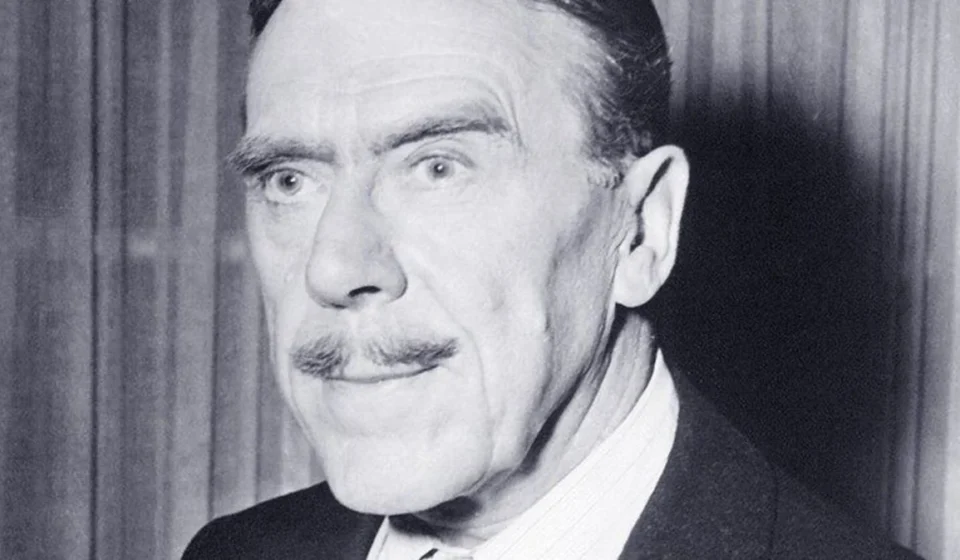
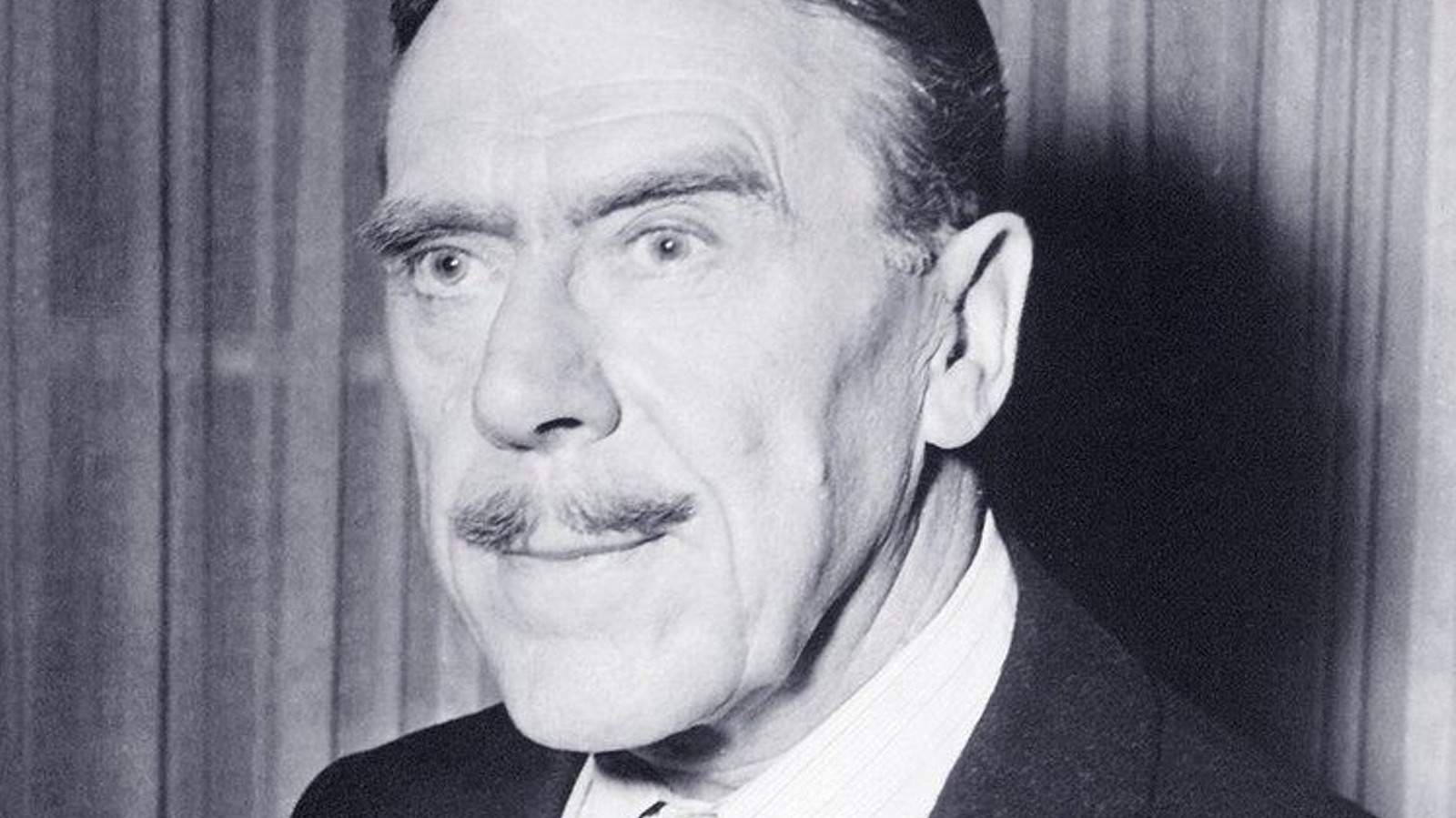
The roots of Topper do not lie in the flickering black-and-white screens of the Eisenhower era, but in the sharp, irreverent prose of novelist Thorne Smith. Smith first introduced the world to Cosmo Topper in his 1926 novel Topper, a book that defied the somber literary trends of the "Lost Generation" by injecting high-society tropes with unapologetic supernatural whimsy.
The narrative hook was simple yet genius: Cosmo Topper, a buttoned-up, terminally stodgy banker, finds his quiet life upended when he becomes the sole confidant of two high-spirited, spectral newlyweds, Marion and George Kerby. Following the 1932 sequel, Topper Takes a Trip, the property became a darling of Hollywood. The 1937 feature film adaptation solidified the archetype, featuring a career-defining, Oscar-nominated performance by Roland Young as the titular banker, alongside the effervescent Constance Bennett and the legendary Cary Grant as the ghostly Kerbys.
By 1953, the Topper brand possessed a nostalgic, classic allure that CBS found irresistible. The network aimed to translate this sophisticated comedic blend into a high-profile weekly sitcom. The result was a polished, clever production that managed to capture the frantic energy of the original novels while navigating the rigid constraints of 1950s broadcast standards.
Chronology: From Page to Prime Time
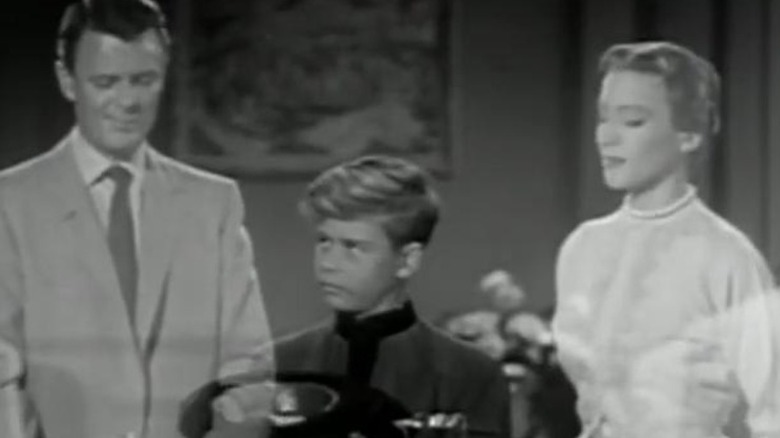
The transition of Topper from cinema to television required a reimagining of its core cast. Leo G. Carroll, a character actor of immense gravitas—known for his work in Alfred Hitchcock classics like Spellbound and North by Northwest, as well as his later turn in The Man from U.N.C.L.E.—was cast as the beleaguered Cosmo Topper. To capture the Kerbys’ dynamic chemistry, the producers cast real-life married couple Robert Sterling and Anne Jeffreys, whose off-screen intimacy lent a palpable, genuine playfulness to their supernatural courtship.
The series established its premise quickly: Cosmo and his wife, Henrietta (played by the formidable Lee Patrick), move into a home previously owned by the Kerbys. The twist? George and Marion had perished in a skiing avalanche, only to return as ghosts to their former residence. Accompanying them was Neil, a spectral St. Bernard with a refined, if problematic, palate for martinis.
Over the course of 78 episodes spanning two seasons, the series cemented its reputation as a "delightful, whimsical series about death." While the show was canceled in 1955, its success was so profound that it remained in high-rotation syndication for a full decade, proving that the public’s appetite for the Kerbys’ antics was far from sated.
A Nexus of Creative Talent
Behind the scenes, Topper served as a surprisingly fertile training ground for titans of the entertainment industry. Perhaps most notably, eleven episodes of the first season were penned by a young Stephen Sondheim. Before he revolutionized the American musical with West Side Story and Company, Sondheim was honing his dialogue skills in the writers’ room of a ghost sitcom.
The show also acted as a springboard for director Leslie H. Martinson. Martinson’s early work on Topper provided him the experience necessary to eventually helm the 1966 Batman film, a project that remains a touchstone of camp cinema. Furthermore, the presence of veteran playwright and critic George Oppenheimer in the writing stable ensured that, despite the slapstick premise, the scripts maintained a level of wit and structural integrity that many of its contemporaries lacked.
The Cultural Implications of Sponsorship
For modern viewers, one of the most striking aspects of watching Topper today is the pervasive presence of mid-century advertising. The show was famously sponsored by Camel Cigarettes, a partnership so integrated into the production that the ghosts themselves were frequently seen smoking on camera.
This creates a peculiar, almost surreal viewing experience for the 21st-century audience. In the original broadcasts, the actors would often break character to deliver promotional pitches for Camel products. As the series entered long-term syndication, editors were tasked with the arduous, often awkward, process of clipping these segments out of the reruns. These excised moments represent a fascinating crossroads in media history: the point where the commercial necessity of the era collided with the artistic preservation of a television artifact.
Simple Plots, Lasting Influence
The plots of Topper were emblematic of the era’s "gentle comedy" philosophy. Episodes frequently revolved around the friction between the living and the dead. Whether the Kerbys were manipulating Topper’s social obligations, helping him navigate the pitfalls of Las Vegas gambling, or simply observing the exasperated Henrietta as she redecorated their former home, the stakes were consistently low and the humor remarkably high.
Yet, to dismiss Topper as mere fluff is to ignore its foundational role in the genre. Thorne Smith’s influence on the American sitcom is far greater than modern memory acknowledges. Topper helped establish the "human-meets-supernatural" trope that would later bloom into series like Bewitched, I Dream of Jeannie, and even The Ghost and Mrs. Muir.
Consider the lineage:
- The Body-Swap Trope: Smith’s novel Turnabout paved the way for the body-swapping comedy, eventually influencing the ubiquitous Freaky Friday franchise.
- The Witch Next Door: Smith’s The Passionate Witch provided the direct narrative DNA for the cultural juggernaut that was Bewitched.
- The Ghostly Roommate: Without the Kerbys’ mischievous interference in Cosmo’s life, the "helpful ghost" archetype would likely look very different in modern television.
Preserving the Spectral Past
Today, the accessibility of Topper remains fragmented. While eleven episodes of the first season are available for streaming on platforms like Tubi, the full series remains elusive for casual viewers. Collectors often turn to the secondary market, where complete DVD sets serve as the primary archive for those seeking to complete the set.
The quality of these surviving prints—often scratchy and punctuated by the characteristic "canned" laughter of the 1950s—only adds to the charm of the experience. There is a sense of "weird authenticity" in watching these grainy transfers; it feels like pulling a forgotten diary off a shelf.
Final Reflections: Why Topper Matters
Why should a modern audience, accustomed to the lightning-fast pacing and cynical humor of contemporary television, revisit Topper? The answer lies in its innocence and its craftsmanship. Topper was a show that treated death not with existential dread, but as a minor inconvenience—a catalyst for adventure rather than an end to one.
There is a distinct, whimsical darkness at the heart of Topper that likely influenced a generation of creators, including—as many scholars of pop culture have suggested—a young Tim Burton. It is a show about the intersection of the mundane and the impossible. In an era where fantasy television is often dominated by sprawling, multi-season epics and dark, gritty reboots, Topper offers a refreshing reminder of the power of the "low-stakes" supernatural comedy.
By returning to these 78 episodes, we aren’t just watching a relic; we are engaging with a piece of the American creative consciousness. Topper remains a "ghost" of the airwaves, waiting for a new generation of viewers to look past the smoke and the static and rediscover the magic of the "ghostess with the mostest." It is a testament to the fact that while shows may be canceled and trends may fade, a clever premise—and a very thirsty St. Bernard—never truly dies.