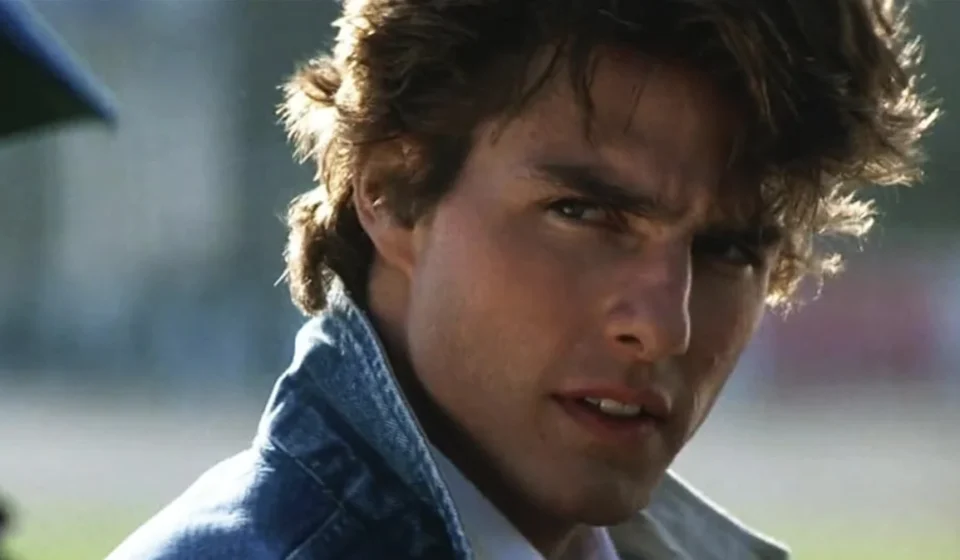

Since his stratospheric ascent to superstardom in the mid-1980s, Tom Cruise has occupied a unique space in Hollywood: he is not merely the face on the poster, but the engine behind the machine. While many A-list actors are content to deliver lines and collect a paycheck, Cruise has spent decades exerting a granular level of control over his filmography. From the high-altitude intensity of "Top Gun" to the death-defying stunts of the "Mission: Impossible" franchise, Cruise’s influence is pervasive. Yet, there is one instance in his storied career where his fingerprints moved beyond the realm of acting and producing, landing him a rare "Story By" credit: the 1990 NASCAR drama, "Days of Thunder."
The Genesis of an Obsession: From Pool Halls to Pit Stops
The creative spark for "Days of Thunder" did not originate in a boardroom or a screenwriter’s office; it was born on the set of Martin Scorsese’s 1986 drama, "The Color of Money." It was during this production that a young Tom Cruise found himself under the mentorship of screen legend Paul Newman. Beyond the complexities of professional billiards, Newman introduced Cruise to a different kind of precision: professional auto racing.
Newman, an accomplished race car driver in his own right, facilitated a fateful encounter between Cruise and the team at Hendrick Motorsports. During a press event, Cruise was granted the opportunity to step into the driver’s seat of a high-performance stock car. The experience was transformative. Immersed in the high-octane world of NASCAR, listening to the war stories of mechanics, drivers, and crew chiefs, Cruise realized he had found the subject for his next cinematic venture. He wasn’t just looking for a role; he was looking for a world he could translate into a visceral, high-stakes narrative.
Chronology: A Long Road to the Finish Line
The development of "Days of Thunder" was anything but a straight sprint. It was a marathon of rewrites, strategic pivots, and high-stakes collaboration.
The Skaaren Era (1987–1988)
Initially, Cruise tapped screenwriter Warren Skaaren, known for his work on "Top Gun," to flesh out the narrative bones. Skaaren, a diligent craftsman, spent two years laboring over the project. By all accounts, he was prolific, churning out ten distinct drafts of the screenplay. Despite the volume of work, the narrative failed to capture the specific lightning-in-a-bottle energy that Cruise felt the project required.
The Towne Intervention (1989)
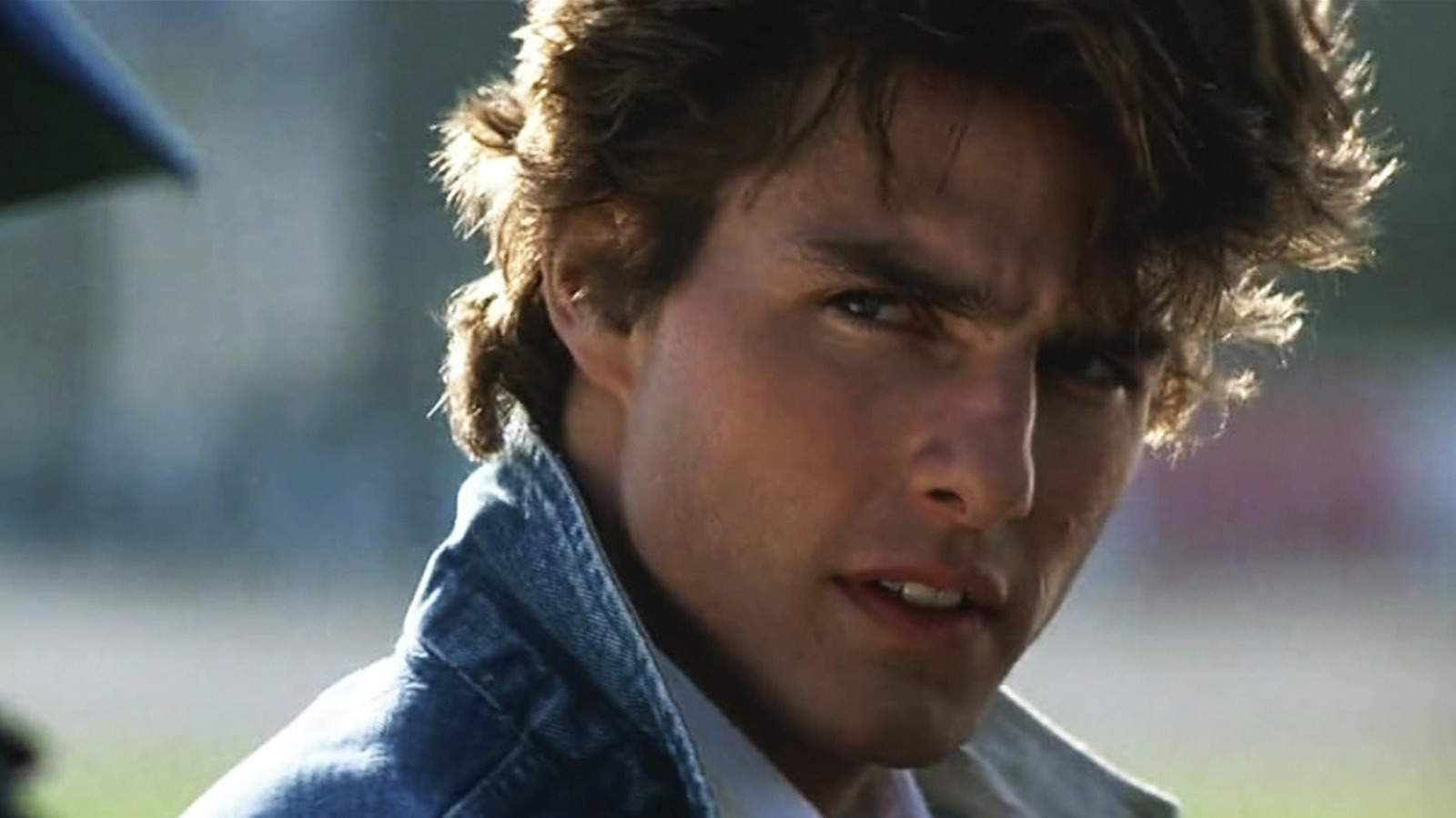
Recognizing that the project was stalling, Cruise made a bold, executive move. He reached out to legendary screenwriter Robert Towne, the visionary behind "Chinatown." Towne, known for his ability to craft complex, character-driven scripts, was tasked with a complete overhaul. Towne famously started from scratch, throwing out much of the previous groundwork to focus on the psychological evolution of the protagonist, Cole Trickle.
Production and Release (1990)
The constant evolution of the script meant that the film’s production was plagued by delays. However, the final product—a polished, thunderous look at the world of NASCAR—hit theaters on June 27, 1990. While the film’s $158 million worldwide box office performance against a $60 million budget was considered a moderate disappointment at the time, it set a template for the "Cruise-style" blockbuster: high stakes, technical authenticity, and an unwavering commitment to the spectacle.
The Producer as Visionary: Supporting Data
Cruise’s reputation as an "idea machine" is well-documented within the industry. He is known for being the first on set and the last to leave, a work ethic that fosters loyalty among his cast and crew. This dedication to excellence often manifests as a form of creative management.
- The Control Factor: In most of his projects, Cruise is heavily involved in the technical aspects of filmmaking. Whether it’s insisting on real G-forces in "Top Gun: Maverick" or enforcing rigorous health protocols during the pandemic, Cruise views his films as holistic projects.
- The Financial Footprint: With a collective global box office gross exceeding $13 billion, Cruise has essentially earned the "carte blanche" to participate in the creative architecture of his films.
- The "Days of Thunder" Anomaly: While he has produced dozens of films, "Days of Thunder" remains one of the few instances where he felt the narrative concept was so uniquely his that it warranted a co-story credit. He moved from being a participant in the script process to an architect of the film’s core mythology.
Professional Perspectives and Industry Impact
The industry’s reaction to Cruise’s dual role as star and storyteller has been largely positive, albeit occasionally fraught with the complexities of managing such a high-wattage talent. Colleagues often describe him as a "genial" presence, yet one with an uncompromising vision.
When asked about his approach to filmmaking, Cruise has often cited his desire to push the audience’s experience. "It’s about how to make the audience feel what the character is feeling," a sentiment that was clearly at the forefront of his work on "Days of Thunder." By immersing himself in the NASCAR culture, he sought to translate the visceral reality of speed and danger into a cinematic language that hadn’t been fully explored before.
The Long-Term Implications: A Legacy Reborn
The legacy of "Days of Thunder" is perhaps more interesting than its initial reception. While the film was met with tepid reviews upon its release, it found a second life through cable television, home video, and digital streaming. It became a staple of 90s cinema, developing a cult following that eventually led to the recent announcement of "Days of Thunder 2," slated for a 2028 release.
The success of the sequel announcement highlights a significant shift in how studios view older properties. When a film like "Days of Thunder" is nurtured by a star of Cruise’s caliber, it doesn’t just age; it matures into a legacy asset.
Why the Story Credit Matters
Cruise’s co-story credit serves as a reminder that the "Cruise brand" is built on more than just stunts. It is built on the proactive identification of human stories set within high-pressure environments. By taking a hand in the story, he ensured that Cole Trickle wasn’t just a driver, but a character defined by a "chronic need for speed"—a trait that mirrored Cruise’s own professional trajectory.
As we look toward the 2028 sequel, the question remains: will Cruise again insist on a role behind the typewriter? Given his track record, it is highly probable. Tom Cruise has spent his career proving that he is not just the engine that drives the car; he is the one who drew the blueprint for the track. Whether through the lens of a producer or a story architect, he continues to dictate the pace of his own career, ensuring that even his "underrated" hits remain firmly in the rearview mirror of modern cinematic history.