From Controversy to Box Office Gold: The Rehabilitation of Enid Blyton and the Success of ‘The Magic Faraway Tree’

The literary legacy of Enid Blyton has long been a subject of intense debate within the hallowed halls of British libraries and modern classrooms. Once the undisputed queen of children’s fiction, Blyton’s vast oeuvre—spanning hundreds of titles—fell into a period of deep unfashionability during the late 20th and early 21st centuries. Critics and educators pointed to the pervasive racism, xenophobia, and regressive gender politics embedded in her mid-century narratives. However, in the 2020s, a new trend has emerged: the systematic rehabilitation of the Blyton brand through high-end, modernized screen adaptations.
The latest and perhaps most significant milestone in this cultural pivot is Ben Gregor’s The Magic Faraway Tree. Following its resounding success in the United Kingdom, where it outperformed major studio competition, the film now prepares for its North American debut. This resurgence marks a pivotal moment for "heritage IP," suggesting that with the right creative "scrubbing," even the most controversial literary foundations can be transformed into profitable, family-friendly cinematic franchises.
Main Facts: A Modernized Vision of a Classic Fantasy
The Magic Faraway Tree is a live-action adaptation of Blyton’s beloved Faraway Tree series, which began in 1939. The film, directed by Ben Gregor (Cuckoo, Fatherhood) and written by Simon Farnaby (Paddington 2, Wonka), centers on the Thompson family. In a bid to reconnect and escape the pressures of modern urban life, parents Tim (Andrew Garfield) and Polly (Claire Foy) move their three children—Beth, Joe, and Fran—to a remote cottage in the English countryside.
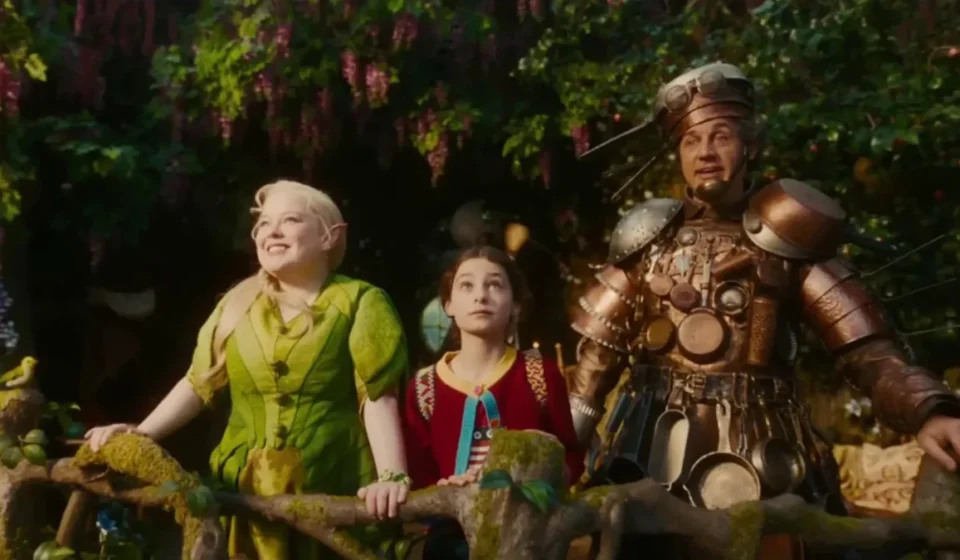
The narrative engine kicks in when the children discover a colossal, ancient tree in the nearby woods. This is no ordinary oak; it is a gateway to a series of rotating magical lands that appear at its summit. Populated by eccentric characters such as Silky the fairy (Nicola Coughlan) and Moonface (Nonso Anozie), the tree offers an escape from the "corporate rat race" and digital addiction that plagued the family in London.
The film’s domestic performance in the UK was nothing short of a revelation. Releasing in March 2024, it managed to outgross Pixar’s original feature Hoppers, a feat rarely achieved by independent British productions. This commercial success has already paved the way for a burgeoning franchise, with two sequels greenlit before the first film even reached American shores.
Chronology: The Road to the Faraway Tree
The journey from Blyton’s original prose to the 2024 blockbuster was a multi-year process of brand management and creative reinvention.
1. The Era of Exclusion (1990s–2010s)
For decades, Blyton’s work was often sidelined. Schools removed her books from recommended reading lists, and publishers like Hachette worked to edit out the most offensive elements—such as the "Golliwogs" or overtly sexist tropes—to keep the titles on shelves. Despite these efforts, the brand was seen as "stuffy" and "problematic."
2. The Television Renaissance (2020–2023)
The tide began to turn with a series of high-production-value television projects. The BBC’s Malory Towers, which debuted in 2020, proved that there was still a massive appetite for Blyton’s boarding-school escapism if the cast was diversified and the themes modernized. This was followed in 2023 by a "glossy" reimagining of The Famous Five, executive produced by the unlikely visionary Nicolas Winding Refn (Drive). These projects signaled to investors that the Blyton name still held significant "nostalgia equity."
3. Production and UK Release (2023–March 2024)
Filming for The Magic Faraway Tree took place across various UK locations, utilizing a mix of practical sets and advanced CGI to bring the "Land of Topsy Turvy" and other realms to life. Screenwriter Simon Farnaby was brought on to inject the script with the same "English folksiness" that made Paddington a global phenomenon. Upon its March release in the UK, the film tapped into a post-pandemic desire for wholesome, "disconnected" family entertainment.
4. The Global Push (Late 2024)
Following its domestic triumph, the film’s international rollout, specifically in the United States, represents the final stage in its bid for global brand dominance.
Supporting Data: Box Office and Creative Pedigree
The success of The Magic Faraway Tree is supported by a confluence of high-tier talent and strategic market timing.
- Box Office Dominance: In its opening weeks in the UK, the film surpassed Pixar’s Hoppers. While Pixar has historically dominated the spring window for family films, the "Blyton effect" proved that local IP, when bolstered by A-list stars, can compete with Hollywood giants.
- A-List Anchors: The casting of Academy Award nominee Andrew Garfield and Emmy winner Claire Foy was a deliberate move to attract adult audiences. Their presence elevates the film from a standard "kids’ movie" to a "prestige family event."
- The Farnaby Factor: Simon Farnaby has become the architect of the modern British family blockbuster. His credits include Paddington 2 (100% on Rotten Tomatoes) and the $630 million-grossing Wonka. His involvement provided a "seal of quality" that reassured parents the film would be more than just a hollow cash-in.
- Visual Craftsmanship: The film utilized the talents of DP Zac Nicholson (The Death of Stalin) and production designer Alexandra Walker. The aesthetic is a blend of "gilded quality" and "gaudy, candy-colored" fantasy, designed to appeal to the visual sensibilities of a generation raised on high-definition gaming.
Official Responses and Critical Analysis
While the film has been a commercial juggernaut, critical reception has been more nuanced, highlighting the difficulty of adapting Blyton’s "mirthless" source material.
The Script and Humor
Critics have noted that while the film is "unfailingly nice," it struggles with the comedic timing that Farnaby usually delivers. Some reviewers have suggested that Blyton’s original prose is so devoid of humor that even a writer of Farnaby’s caliber found it difficult to "punch up." The gags involving the Saucepan Man (Dustin Demri-Burns) and Dame Washalot (Jessica Gunning) have been described by some as "complete non-starters," though their whimsical nature remains a hit with younger viewers.
The Performances
Andrew Garfield and Claire Foy have received praise for bringing "care and specificity" to roles that could have easily been caricatures. Garfield’s portrayal of a "dopey art-school romantic" and Foy’s turn as a "gifted, principled inventor" provide an emotional core that grounds the fantastical elements. Their chemistry helps sell the film’s central message: the importance of familial presence over digital distraction.
The Tone of "Safe" Adventure
Industry analysts have described the film as an "obliging corgi pup"—polite, cheerful, and eager to please. However, some critics argue that the stakes never feel "urgently high." The "sunny mood" and "safeguarded" sense of adventure prevent the film from reaching the "perilous" heights of classics like The Chronicles of Narnia or Harry Potter.
Implications: The Future of Heritage IP and the "Blyton-verse"
The success of The Magic Faraway Tree carries significant implications for the film industry and the future of children’s literature.
1. The Blueprint for Rehabilitation
The film provides a blueprint for how to handle "problematic" legacy IP. By stripping away the controversial elements of the source text and replacing them with modern values—such as environmentalism, gender equality, and mental health awareness (notably the character of Fran, who is mute for much of the film)—studios can revitalize dormant brands.
2. The Rise of "Analog" Nostalgia
In an era dominated by TikTok and tablets, The Magic Faraway Tree champions a return to nature and "old-fashioned" imagination. The film’s success suggests that parents are increasingly seeking content that validates their own anxieties about their children’s screen time. This "analog" nostalgia is likely to become a recurring theme in family cinema.
3. The Expansion of the Blyton Franchise
With two sequels already greenlit, we are witnessing the birth of a "Blyton Cinematic Universe." If the sequels maintain the first film’s momentum, other Blyton properties like The Secret Seven or Noddy could be slated for similar big-screen "glossy makeovers."
4. Market Resilience of British Cinema
The film’s ability to out-earn a Pixar title in a major market is a shot in the arm for the British film industry. It proves that there is a sustainable model for mid-budget, high-quality family films that don’t rely on American superheroes or established animation houses.
In conclusion, The Magic Faraway Tree is more than just a film; it is a successful exercise in cultural rebranding. While it may not yet be a "classic" in the traditional sense, its ability to navigate the complexities of Enid Blyton’s legacy while capturing the hearts (and wallets) of modern families ensures that the Faraway Tree will be casting a long shadow over the cinematic landscape for years to come.